
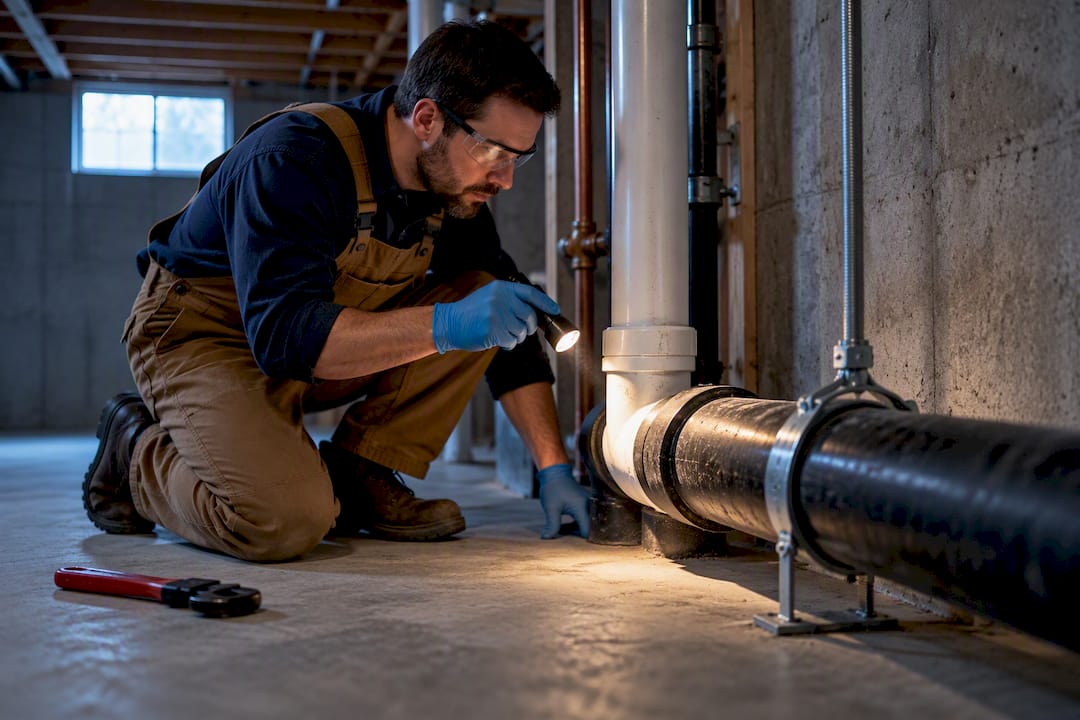
The Allegheny County Health Department (ACHD) issues every plumbing permit for Pittsburgh and the rest of the county, not the city itself. Most homeowners and contractors file plans and applications through the ACHD Citizen Access Portal, though commercial projects need pre-approval from a plans reviewer first. If you’d rather talk to a person, ACHD’s plumbing office in the West End takes calls and walk-ins.
TL;DR:
- Most residential plumbing permits in Pittsburgh are filed online through the ACHD Citizen Access Portal, with pre-approval required for commercial projects.
- Permits are necessary for changes affecting water flow, including new fixtures, relocations, sewer connections, and repiping, but simple repairs generally do not require permits.
- Preparing complete, well-documented plans with specific details like fixture counts, sewer tap numbers, and TV inspection recordings reduces delays and review rejections.
- Only homeowners can perform plumbing work on their primary residence without a license; all others must hire a licensed Master Plumber for rental or large projects.
- Final mandatory inspections are required for every permit to close the project officially, and skipping this step can cause issues with property sales or occupancy.
Table of Contents
- Where Do You File a Pittsburgh Plumbing Permit?
- What Plumbing Work Actually Requires a Permit?
- How Do You Prepare and Submit Plumbing Plans?
- What Happens During Plumbing Inspections?
- What Do Pittsburgh Plumbing Permits Cost, and How Long Do They Take?
- Who’s Allowed to Do Plumbing Work in Allegheny County?
- Permit Checklist: From Planning to Final Sign-Off
- What Contractors Wish Homeowners Knew About Permitting
- Let Ag-plumbing Handle the Permit and the Pipe Work
- Official Resources for Filing and Code Requirements
- Sources
- FAQ
Where Do You File a Pittsburgh Plumbing Permit?
Plumbing permits in Pittsburgh don’t go through the city at all. They go through ACHD, the county agency that regulates plumbing everywhere within Allegheny County, including inside city limits. That surprises a lot of first-time filers who assume City of Pittsburgh Permits, Licenses & Inspections (PLI) handles everything construction-related.
It doesn’t. PLI issues building permits, zoning approvals, and occupancy certificates. ACHD’s Plumbing Program owns the pipes, drains, vents, and fixtures. If your renovation touches both (say, a bathroom addition that needs a structural permit and new plumbing), you’ll likely deal with both agencies in parallel.
Most filers work through the ACHD Citizen Access Portal, where you create an account, upload plans, and track review status online.
- Online: ACHD Citizen Access Portal, available for both residential and commercial plumbing permits.
- By phone: ACHD Plumbing Program, 412-578-8036, for questions before you file.
- In person: ACHD Plumbing office, 2121 Noblestown Road, Suite 207, Pittsburgh, PA 15205.
Commercial applicants must clear pre-approval with an ACHD commercial plans reviewer before the portal will accept the filing.
What Plumbing Work Actually Requires a Permit?
Nearly anything that changes how water moves through a building needs a permit. That includes new plumbing systems in an addition, relocating existing fixtures, tying into a sanitary sewer, repiping a house, and adding fixtures like a second bathroom or a laundry hookup. Allegheny County plumbing regulations treat these as scope changes that affect the sewer system and public health, which is why ACHD reviews them regardless of project size.
Common permit triggers include:
- Installing a new plumbing system in new construction or an addition.
- Relocating or adding fixtures (sinks, toilets, showers, laundry connections).
- Connecting to or modifying a sanitary sewer line.
- Repiping a home or business, whole-house or partial.
- Installing or replacing a water heater in many cases.
Simple repairs are usually exempt: swapping a faucet, replacing a toilet in the same location, or clearing a clogged drain doesn’t typically trigger a permit. PLI’s “work not requiring a permit” guidance covers similar exemptions on the building side, but don’t let that language confuse you. Plumbing itself is regulated by ACHD, and PLI’s exemption list doesn’t override ACHD’s plumbing permit requirements. When in doubt, a quick call to ACHD settles it faster than guessing.
How Do You Prepare and Submit Plumbing Plans?
Reviewers reject incomplete submissions more often than bad designs. A clean packet moves through the plumbing permit application process in Pittsburgh far faster than one missing a single required item.
For most projects, plan on assembling:
- A cover sheet identifying the project, owner, and scope of work.
- A site plan showing the building footprint and sewer connections.
- Plumbing drawings detailing pipe runs, vents, and fixture locations.
- A fixture count matching the occupancy classification for commercial jobs.
- The sanitary sewer tap number for the property.
- A televised (TV) inspection recording if the project connects to an existing drain line.
Large jobs, provent or sovent systems, and any project involving an on-lot septic system typically require plans stamped by a Registered Engineer, an Architect, or a Master Plumber. ACHD’s own commercial plan review checklist spells out exactly what belongs on stamped drawings, and it’s worth reading before you pay a designer to produce a set.
Commercial plumbing plans need pre-approval from ACHD’s commercial plans reviewer before they can be filed through the portal. That pre-approval step exists to catch major code conflicts early, before a full submission and fee are on the table.
Submit final plans as PDFs. Large commercial jobs often require two physical sets in addition to the digital file. Every plan review, no matter how small the project, carries a minimum fee.
Pro Tip: Reference specific Article XV code sections directly in your plan notes, like vent sizing or fixture-count rules. Reviewers spend less time asking clarifying questions when your drawings already point to the code section you followed.
If you’re unsure which materials or fixture types meet current code, AG Heating, Cooling & Plumbing’s guide on choosing plumbing materials for Pittsburgh homes covers what typically passes review without a second look.
What Happens During Plumbing Inspections?
Every plumbing permit in Allegheny County ends the same way: a mandatory final inspection. Skip it, and the permit never technically closes, which can complicate a home sale or a certificate of occupancy down the line.
Most projects pass through a few checkpoints:
- Rough-in inspection, before walls or floors close up over new piping.
- Intermediate inspections, for larger jobs with multiple phases.
- Final inspection, required on every plumbing permit ACHD issues, confirming the finished work matches approved plans.
You schedule these through the same channel you used to file, either the Citizen Access Portal or by calling the plumbing office directly.
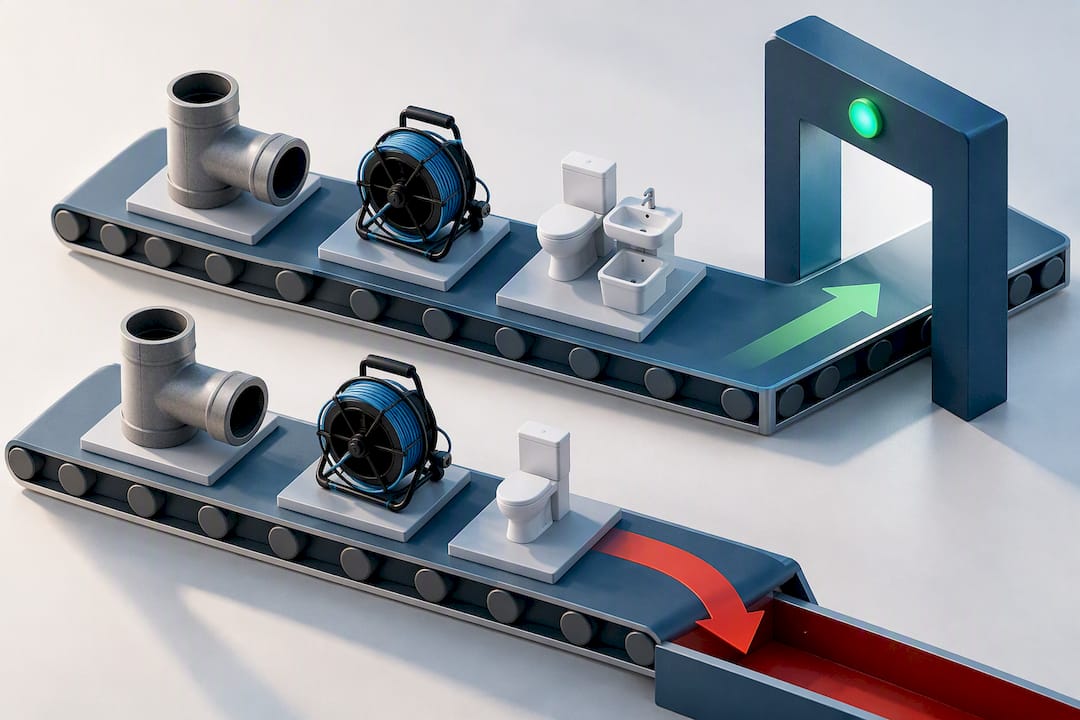
Inspectors send projects back to the drawing board for predictable reasons. Missing sanitary sewer tap numbers top the list, followed by incomplete or missing TV inspection recordings for drain tie-ins, and material or fixture counts that don’t match the approved plans. Catching these before the inspector shows up saves a second trip and a second delay.
What Do Pittsburgh Plumbing Permits Cost, and How Long Do They Take?
Every plan review carries a minimum fee of $85, according to ACHD’s commercial checklist, with the full schedule scaling up based on project size and fixture count. Full fee tables live on ACHD’s site, and it’s worth checking before you budget a renovation.
By the Numbers: The $85 minimum plan-review fee applies to every submission, residential or commercial, regardless of how small the scope is.
Residential permits for straightforward work, like a repipe or fixture relocation, generally move faster than commercial submissions, which require the added pre-approval step and often a stamped set of drawings. The single biggest cause of delay isn’t fee disputes. It’s incomplete plans: missing tap numbers, absent TV recordings, or drawings that don’t follow Article XV’s specific formatting and content rules. Fix those before submission and most projects clear review on the first pass.
Who’s Allowed to Do Plumbing Work in Allegheny County?
Homeowners may legally perform plumbing work on their own primary residence without holding a plumbing license. Landlords don’t get that same allowance. Anyone doing plumbing work on a rental unit must hire a licensed Master Plumber, full stop.
- Homeowners: permitted to do their own plumbing work on their primary residence.
- Landlords: legally required to hire a licensed Master Plumber for any rental-unit plumbing work.
- Commercial and large residential jobs: often require a Master Plumber’s stamp for plan filing and inspection sign-off.
Licensing status affects more than who swings the wrench. A Master Plumber’s stamp is frequently what unlocks plan approval and final sign-off on bigger jobs. If you’re weighing whether to hire out, AG Heating, Cooling & Plumbing’s guide to hiring a plumber in Pittsburgh breaks down what license credentials actually mean for your project.
Permit Checklist: From Planning to Final Sign-Off
Follow this order and you’ll avoid most of the rework that stalls Pittsburgh plumbing permits.
- Confirm jurisdiction and permit need first. Call ACHD or check the portal before any work starts. Don’t assume a repair is exempt just because it seems minor.
- Assemble your documents. Cover sheet, site plan, plumbing drawings, fixture counts, and your sanitary sewer tap number. Order any required TV inspection recording early since scheduling can take a week or more.
- Get stamped drawings if your project needs them. Large jobs, provent or sovent systems, and on-lot septic work require a Registered Engineer, Architect, or Master Plumber’s stamp before filing.
- Secure commercial pre-approval if applicable, then file through the ACHD Citizen Access Portal along with the minimum plan-review fee.
- Schedule inspections as work progresses. Rough-in first, then any intermediate checkpoints your project requires.
- Resolve hold items immediately. If an inspector flags a missing tap number or a materials mismatch, fix it before the next scheduled visit rather than waiting.
- Obtain your final inspection. This step is mandatory on every plumbing permit ACHD issues, no exceptions for project size.
- Keep copies of your permit and every inspection report. You’ll need them if you sell the property or pull a related permit later.
Pro Tip: Photograph your plumbing before walls close up, even beyond what the inspector documents. Homeowners selling within a few years often need proof of permitted work, and a phone full of timestamped photos beats trying to reconstruct the timeline from memory.
For general upkeep once your permitted work wraps, AG Heating, Cooling & Plumbing’s seasonal plumbing checklist for Pittsburgh homeowners is a useful next stop.
What Contractors Wish Homeowners Knew About Permitting
The plans that get rejected on the first pass almost always have the same problem: someone left off the sanitary sewer tap number or assumed an existing drain tie-in didn’t need a TV inspection. Reviewers aren’t being difficult. They’re following a checklist, and if your submission is missing an item on it, it goes back regardless of how good the actual plumbing design is.
A licensed contractor who files permits regularly knows which details ACHD’s reviewers flag most, and that familiarity alone shaves real time off the process. Coordinating rough-in and final inspections around the rest of a construction schedule also matters more than most homeowners expect. An inspector showing up before drywall closes over new piping, instead of after, is the difference between one visit and three.
If you’re weighing a DIY plan submission against hiring it out, browse AG Heating, Cooling & Plumbing’s project gallery and homeowner tips before deciding. Thirty years of local plumbing work in Pittsburgh tends to surface the same handful of mistakes over and over, and most of them are avoidable with the right paperwork upfront.
— Maayan
Let Ag-plumbing Handle the Permit and the Pipe Work
Choosing a professional plumbing service can help ensure your plans meet ACHD requirements and reduce the likelihood of rejected submissions and repeat inspections.
That local experience covers the projects most likely to need a permit in the first place: full plumbing repair jobs, whole-house repiping, sewer repair that ties into an existing line, and backflow testing for commercial properties. Hydro jetting also comes up often on properties with older sewer laterals that need clearing before a TV inspection will even pass.
Hiring a licensed local contractor for permitted work means someone who has already coordinated rough-in and final inspections with ACHD dozens of times, which tends to mean fewer surprises on inspection day. If your renovation or repair is heading toward a plumbing permit, get in touch with Ag-plumbing to talk through the scope and get the paperwork moving the right way the first time.
Official Resources for Filing and Code Requirements
Bookmark these before you start any plumbing project in Allegheny County:
- ACHD Project Plans and Permitting, for filing instructions and the Citizen Access Portal link.
- ACHD Commercial Plan Review Checklist (PDF), for required plan contents and fee minimums.
- Article XV — Allegheny County Plumbing Code, the code governing every permit decision.
Sources
FAQ
What plumbing work can be done without a license in Pennsylvania?
Homeowners can legally perform plumbing work on their own primary residence without a plumbing license. Landlords cannot do the same on rental properties; they must hire a licensed Master Plumber for any plumbing work on a rental unit.
How do I get a plumbing permit in Allegheny County?
File through the ACHD Citizen Access Portal for most residential and commercial plumbing permits. Commercial projects need pre-approval from an ACHD commercial plans reviewer before the portal will accept the filing, and every submission carries at least an $85 minimum plan-review fee.
What is PLI in Pittsburgh?
PLI stands for Permits, Licenses and Inspections, the City of Pittsburgh department that issues building, zoning, and occupancy permits. Plumbing itself falls outside PLI’s authority. It’s regulated separately by the Allegheny County Health Department.
Which states are the hardest to get a plumbing license in?
Licensing difficulty varies widely by state, and no single reliable ranking exists across all fifty. In Pennsylvania, requirements are set at the local and county level rather than statewide, which is why Allegheny County’s rules through ACHD look different from licensing rules in another Pennsylvania county.
Do I need a permit for a final inspection to close out my project?
Yes. A final inspection is mandatory for every plumbing permit ACHD issues, regardless of project size or scope. Skipping it leaves the permit open, which can create problems later during a home sale or a certificate of occupancy request.
Recommended
- Install plumbing fixtures: Pittsburgh homeowner guide
- Top 7 Plumbing Services in 2026 for Homeowners in Pittsburgh, PA
- How to Choose Plumbing Materials for Pittsburgh Homes
- Choosing the best plumbing pipes for your Pittsburgh home
