
TL;DR:
- Plumbing upgrades in 2026 focus on water efficiency, reliability, and long-term ROI.
- Smart sensors and AI enhance leak detection and water management in Pittsburgh homes.
- Popular fixtures like high-efficiency toilets and low-flow showerheads offer quick savings and easy maintenance.
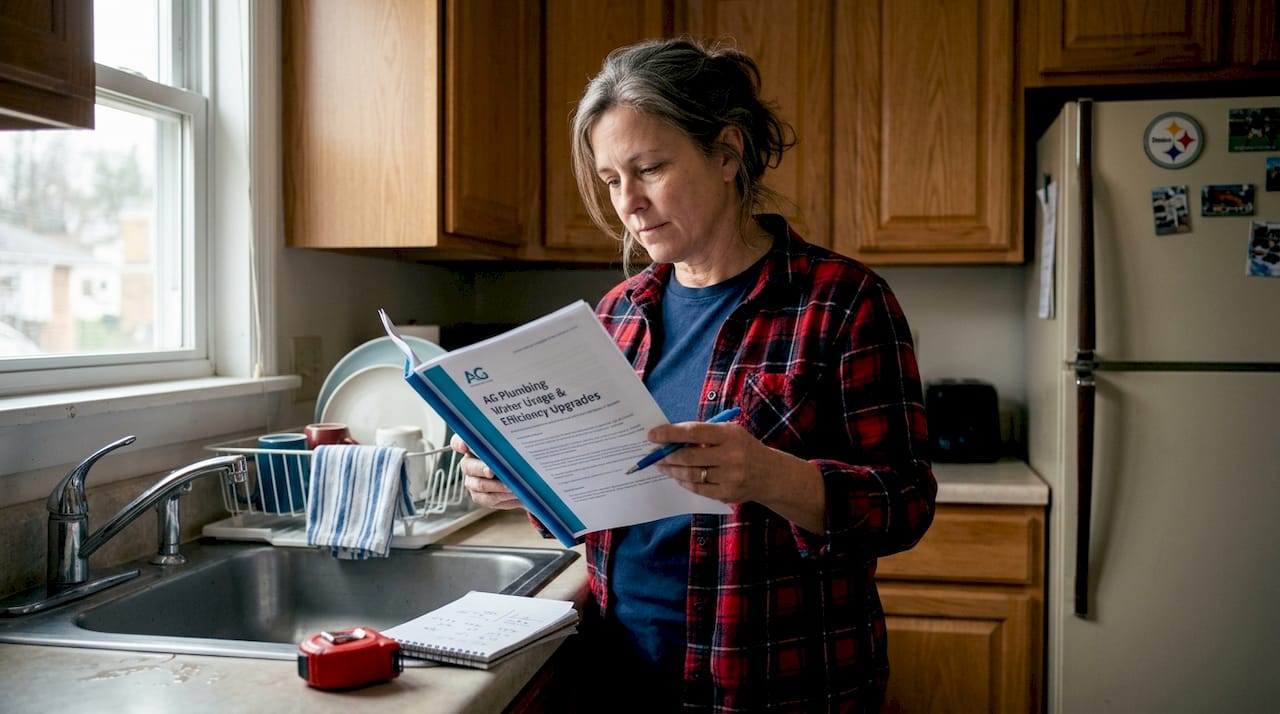
Pittsburgh homeowners are realizing that the plumbing decisions they make this year will shape their utility bills, comfort, and property values for the next decade. Household leaks waste 10,000 gallons every year in a typical home, and that number climbs fast if aging pipes and outdated fixtures go unchecked. The good news is that 2026 brings a wave of genuinely practical solutions, from smart leak sensors to high-efficiency toilets, that give you real control over your home’s water use and maintenance costs. Knowing which upgrades actually deliver value, and which ones are hype, puts you in the driver’s seat.
Table of Contents
- How to evaluate and prioritize plumbing upgrades in 2026
- Smart sensors and AI: The future of leak detection and maintenance
- Water-saving fixtures: Top picks for Pittsburgh homes
- Comparing 2026’s top plumbing innovations: What delivers real value?
- What most homeowners miss when choosing plumbing upgrades
- Need help with plumbing upgrades? Start here
- Frequently asked questions
Key Takeaways
| Point | Details |
|---|---|
| Smart tech boosts prevention | AI and sensors catch problems early, reducing costly repairs and water waste. |
| Water-saving fixtures deliver | Switching to high-efficiency toilets and low-flow fixtures can save up to 13,000 gallons per year. |
| Compare before upgrading | Factors like labor cost and ROI are just as vital as the latest tech when choosing upgrades. |
| Plan for long-term support | Choose improvements that local pros can maintain, not just trendy options. |
How to evaluate and prioritize plumbing upgrades in 2026
Not every shiny new plumbing product deserves a spot in your home. Before spending a dollar, you need a clear framework for deciding which upgrades move the needle on water savings, reliability, and long-term return on investment (ROI).
Start by ranking your priorities. Here are the four criteria that matter most for Pittsburgh homeowners right now:
- Water savings: How many gallons will this fixture or system actually conserve each year?
- Reliability: Does the technology have a proven track record, or is it still in early adoption?
- Regulatory compliance: Does the upgrade meet Pennsylvania and local building codes?
- Return on investment: Will the upfront cost pay itself back through lower utility bills within a reasonable timeframe?
Once you have those priorities ranked for your specific property, you can filter options quickly. A rental property, for example, needs maximum reliability and minimal maintenance overhead. Your personal residence might allow for a slightly higher-tech choice if the long-term savings justify it.
One factor that many homeowners overlook is the current labor market. The smart plumbing sector is growing at a projected compound annual growth rate (CAGR) of 12.1%, but that optimism is tempered by real labor shortages that are inflating both project costs and wait times for skilled tradespeople. Commercial projects in healthcare and data centers are absorbing a significant share of available labor, which means residential work in Pittsburgh sometimes takes longer to schedule and costs more than it did a few years ago.
That context changes your planning. An upgrade that seems simple on a product spec sheet might require a specialist who is booked out for weeks. Factor that into your timeline and budget before committing. A useful starting point is reviewing a plumbing maintenance checklist to identify what your system actually needs versus what is merely appealing.
Pro Tip: Before calling a contractor, pull your last 12 months of water bills and calculate your average monthly usage. That number tells you exactly where savings are possible and helps you have a more productive conversation about which upgrades make financial sense for your home.
You can also find practical cost-saving plumbing tips specific to Pittsburgh properties that help you prioritize without overspending.
Smart sensors and AI: The future of leak detection and maintenance
Knowing what matters most, let’s look at the most impactful technologies moving the plumbing industry forward in 2026. Smart sensors and artificial intelligence are no longer reserved for commercial buildings. They are becoming genuinely accessible and practical for residential properties.
Here is how these systems work in plain terms. A network of small sensors is installed at key points in your plumbing system, typically near the water main, under sinks, near water heaters, and at appliance connections. These sensors continuously monitor water pressure, flow rate, and temperature. When something falls outside the normal range, the system alerts you through a smartphone app before a small drip becomes a flooded basement.
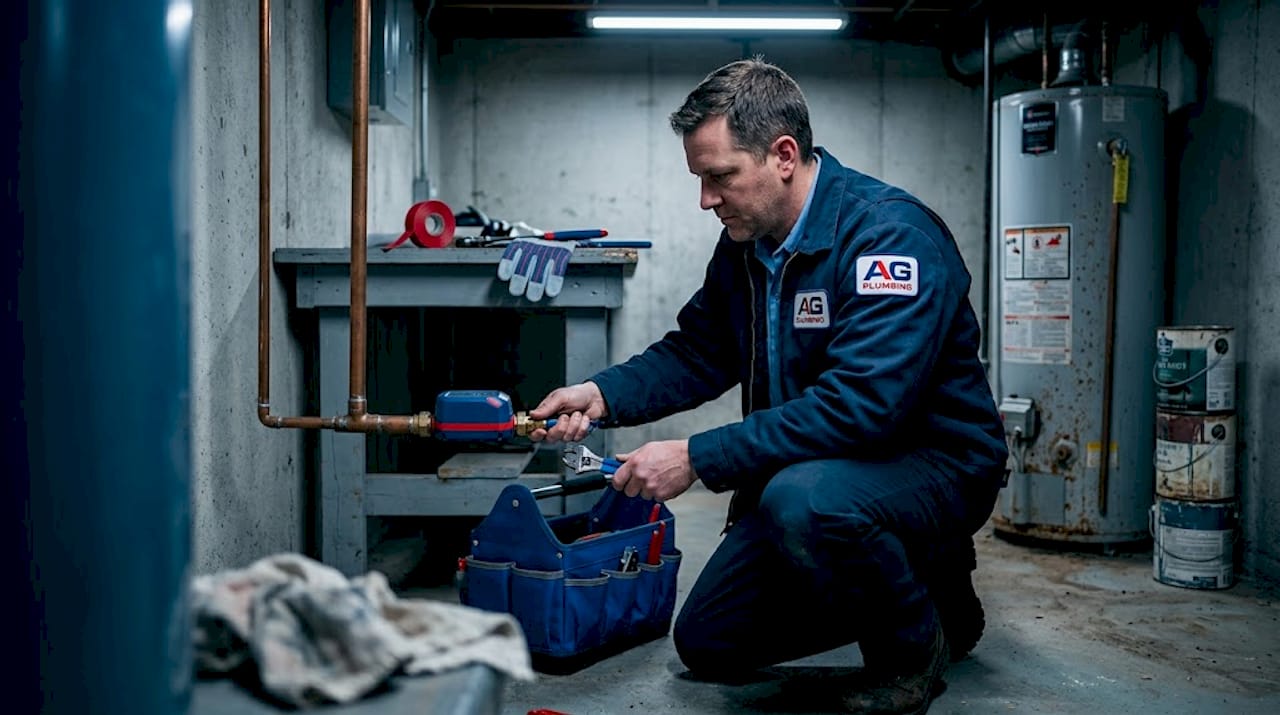
The more advanced systems go further. Digital twins and AI for predictive leak localization allow sensors, pressure data, and smart meters to work together to flag weaknesses in your pipes before they fail. A digital twin is essentially a virtual model of your plumbing system that updates in real time based on sensor readings. When the model detects an anomaly, AI algorithms pinpoint the likely location and severity of the issue, so a plumber knows exactly where to look rather than spending hours diagnosing.
For Pittsburgh homeowners specifically, this matters a great deal. The city has a mix of older homes with aging cast iron and galvanized steel pipes alongside newer construction. Smart sensors can catch the slow, hidden leaks that older pipe materials are prone to, which often go undetected for months and cause significant structural damage.
Key benefits of smart sensor systems include:
- Early leak detection: Catch problems before they escalate into expensive water damage repairs.
- Remote monitoring: Check your home’s water status from anywhere through a mobile app, which is especially valuable for property managers overseeing multiple units.
- Pressure tracking: Identify zones in your home where low or high pressure is straining pipes and fixtures.
- Usage insights: Understand exactly how and when your household uses water, which makes conservation efforts far more targeted.
Smart meters pair naturally with these sensor networks, giving you a precise, real-time picture of consumption rather than the monthly estimate on your utility bill. If you want to understand the broader financial case for these systems, plumbing energy efficiency resources break down the numbers clearly. When a sensor system catches a single major leak event, it often pays for itself in one incident. For anything that does need repair after detection, having access to reliable plumbing repair services ensures the fix happens fast.
Water-saving fixtures: Top picks for Pittsburgh homes
But advanced technology is not the only smart move. Many Pittsburgh homes benefit enormously from simply upgrading to modern water-saving fixtures. The gains here are well documented and immediate.
High-efficiency toilets save 13,000 gallons per year compared to older models, and low-flow faucets and showerheads reduce usage without any noticeable drop in water pressure. For a household of four, those savings translate directly into lower monthly water bills, often enough to recover the cost of new fixtures within two to three years.
Here is a comparison of the most popular fixture categories for Pittsburgh homes this year:
| Fixture type | Estimated annual water savings | Average installed cost | Payback period |
|---|---|---|---|
| High-efficiency toilet | Up to 13,000 gallons | $300 to $600 | 2 to 4 years |
| Low-flow showerhead | 2,000 to 4,000 gallons | $50 to $150 | Under 1 year |
| Aerator faucet | 700 to 1,500 gallons | $20 to $80 | Under 1 year |
| Tankless water heater | 30 to 40% energy savings | $1,000 to $3,000 | 5 to 8 years |
A few things stand out from these numbers. Low-flow showerheads and faucet aerators offer almost instant payback, making them the logical first step for any homeowner or property manager trying to reduce costs without a major outlay. High-efficiency toilets take a bit longer to pay back but deliver far larger total savings over time, especially in multi-bathroom homes.
When shopping for fixtures, look for these features:
- WaterSense certification: This Environmental Protection Agency label confirms the fixture meets strict efficiency and performance standards.
- Dual-flush options: Available on many modern toilets, these give users a choice between a full and reduced flush depending on need.
- Pressure-compensating technology: Found in quality low-flow showerheads, this feature maintains consistent pressure even as water volume drops.
Pro Tip: When replacing a toilet, measure the rough-in distance (the space between the wall and the center of the drain) before purchasing. Most Pittsburgh homes have a 12-inch rough-in, but older properties sometimes vary. Getting this measurement wrong means a return trip to the hardware store and potential delays.
For a deeper look at how these products work and which brands lead the market, low-flow plumbing explained is a solid resource. If you run into installation complications, understanding common plumbing repair issues can help you troubleshoot before calling for professional help.
Comparing 2026’s top plumbing innovations: What delivers real value?
It can be tough to choose when so many options compete for your attention. Here is how this year’s top innovations stack up in practice for Pittsburgh homeowners.
| Innovation | Best for | Installation complexity | Annual savings potential | Maintenance demands |
|---|---|---|---|---|
| Smart leak sensor system | Older homes, landlords | Moderate | Prevents thousands in damage | Low, app-based |
| High-efficiency toilet | Any home with old fixtures | Low | Up to 13,000 gal/year | Minimal |
| Tankless water heater | Growing families, high hot water use | High | 30 to 40% on water heating | Annual flush recommended |
| Low-flow showerhead | Renters, budget-conscious owners | Very low | 2,000 to 4,000 gal/year | None |
| Smart water meter | Property managers, large homes | Moderate | Reduces waste, aids budgeting | Software updates only |
To use this table effectively, match your property type and budget to the right column. Here is a recommended sequence for getting the most value out of these upgrades:
- Start with fixtures: Replace any toilet older than 10 years with a WaterSense-certified model and swap showerheads for low-flow versions. The cost is low and the return is fast.
- Add leak detection: Install a smart sensor system at your water main and under key fixtures. This is your safety net against catastrophic water damage.
- Upgrade your water heater: If your tank-style heater is more than 10 years old, a tankless model improves both energy efficiency and hot water reliability.
- Install a smart meter: Once the above systems are in place, a smart meter gives you the data to fine-tune usage and catch any remaining inefficiencies.
The household leaks that waste 10,000 gallons annually in a typical home are preventable at every level of this sequence, from the simple fixture swap to the AI-powered monitoring system. For specific ideas on bathroom upgrades that complement these investments, maximize bathroom comfort offers Pittsburgh-focused guidance.
What most homeowners miss when choosing plumbing upgrades
Here is the uncomfortable reality that most articles on plumbing trends skip over. The excitement around cutting-edge technology often causes homeowners to make decisions that look great on paper but create real headaches down the road. After 30 years of working with Pittsburgh properties, we have seen this pattern repeat itself more times than we can count.
The core problem is this: a plumbing upgrade is only as good as your ability to get it serviced when something goes wrong. A highly sophisticated AI monitoring system with proprietary hardware and a company helpline based three time zones away is a liability, not an asset, if local technicians are not familiar with it. Labor shortages are inflating costs and wait times across the plumbing industry, and Pittsburgh is not immune. When skilled labor is scarce, complexity becomes your enemy.
The homeowners who consistently come out ahead are the ones who choose technologies that their local plumbers know how to install, service, and troubleshoot. WaterSense-certified toilets, established smart sensor brands with local dealer support, and tankless water heaters from manufacturers with Pittsburgh-area service networks all fit that profile. An obscure import with glowing online reviews but no local service infrastructure does not.
We also see homeowners chase single-purpose upgrades while ignoring foundational issues. Installing a $500 smart showerhead when your supply pipes are original cast iron from 1960 is exactly backwards. Fix the infrastructure first, then layer in the technology. That sequencing mindset consistently produces better outcomes and fewer emergency calls.
Our perspective on bathroom plumbing ideas always starts with the same question: what is the condition of the pipes behind the walls? The answer shapes everything else.
Long-term ROI matters, but so does maintainability. The best upgrade is one you can get serviced on a Tuesday morning without a three-week wait.
Need help with plumbing upgrades? Start here
Ready to put this knowledge to use in your Pittsburgh property? At AG Heating, Cooling & Plumbing, we have spent 30 years helping homeowners make smart, sustainable plumbing decisions that hold up over time.
Our team can assess your current system, recommend the upgrades that fit your budget and property type, and handle installation with the expertise Pittsburgh homes deserve. Whether you need a quick fixture swap or a full system modernization, our plumbing repair services cover the full range of residential and commercial needs. Not sure where to start? Reviewing the essential plumbing services available to homeowners gives you a clear picture of what a professional assessment covers and what to expect from a service visit.
Frequently asked questions
What’s the biggest plumbing trend for Pittsburgh homes in 2026?
Smart sensors for leak detection and water-saving fixtures are leading this year’s upgrades, with AI and digital twin technology making predictive maintenance realistic for residential properties.
How much water can I save by switching to high-efficiency fixtures?
Upgrading to a high-efficiency toilet alone can save 13,000 gallons annually, with additional savings from low-flow showerheads and faucet aerators stacking on top of that.
Is AI-powered plumbing only for new construction?
Many smart meters and leak detection systems are designed to retrofit into existing homes, so AI predictive maintenance is accessible even in older Pittsburgh properties without a major renovation.
Are plumbing upgrades more expensive in 2026?
Some projects cost more because labor shortages are driving up both wait times and pricing, but water-saving technologies still deliver strong long-term returns that offset the higher upfront investment.
Recommended
- Cost-saving plumbing tips for Pittsburgh homeowners – AG-Plumbing
- Top bathroom plumbing ideas for Pittsburgh homeowners – AG-Plumbing
- Maximize your remodeling investment with plumbing upgrades – AG-Plumbing
- Low-flow plumbing explained: save water and cut costs – AG-Plumbing
