
TL;DR:
- Most Pittsburgh homeowners neglect their water heaters until they experience problems, despite sediment buildup gradually reducing efficiency. Pittsburgh’s very hard water accelerates mineral deposits inside tanks, leading to higher energy bills, shortened lifespan, and potential damage if not regularly flushed. Performing semi-annual partial flushes tailored to local water hardness can significantly improve performance, save money, and extend the unit’s life.
Most Pittsburgh homeowners treat their water heater the same way they treat the furnace before a heat wave — they ignore it until something goes wrong. But your water heater is quietly losing efficiency every single day, and the culprit is something you can’t see: sediment. Pittsburgh’s notoriously hard water accelerates mineral buildup inside your tank faster than in most other American cities, driving up your monthly energy bills and shortening the life of your unit. This article explains what’s really happening inside your tank, how often you should flush it, and when you should call a pro instead of doing it yourself.
Table of Contents
- How sediment buildup undermines water heater performance
- Why Pittsburgh homeowners face special challenges
- How often should you flush your water heater — and why?
- Risks and exceptions: When not to flush
- Our take: Pittsburgh’s water heater maintenance requires nuance
- Get expert help with Pittsburgh water heater care
- Frequently asked questions
Key Takeaways
| Point | Details |
|---|---|
| Sediment hurts efficiency | Mineral buildup insulates the tank, forcing higher energy use and reducing performance. |
| Hard water means frequent flushes | Pittsburgh’s hard water accelerates sediment, impacting how often you need maintenance. |
| Partial flush is usually enough | Draining 8-10 gallons clears most sediment without risking older tanks. |
| Old tanks need inspection first | Flushing neglected heaters can reveal leaks; consult a pro before attempting DIY flush. |
| Professional help available | Local plumbers offer safe, energy-efficient maintenance and upgrades for Pittsburgh homes. |
How sediment buildup undermines water heater performance
Think of your water heater tank like a pot of water sitting on a stove. Now imagine a thick layer of sand on the bottom of that pot, sitting between the flame and the water. That insulating layer forces the burner to work longer and harder just to bring the water up to temperature. That’s exactly what sediment does inside your tank.
Minerals like calcium and magnesium dissolved in Pittsburgh’s tap water don’t stay dissolved when heated. They precipitate out and sink to the bottom of the tank, layering up over time. Flushing removes sediment and minerals that settle at the bottom of the tank, acting as an insulating barrier that reduces heating efficiency, causes the heater to work harder, increases energy bills, produces strange noises, leads to inconsistent temperatures, and shortens tank lifespan.
Here’s a practical comparison of what happens with and without regular flushing:
| Condition | Efficiency level | Typical lifespan | Common symptoms |
|---|---|---|---|
| Regularly flushed (annually or semi-annually) | High (85-95%) | 12-15 years | Consistent hot water, quiet operation |
| Infrequently flushed (every 3-5 years) | Moderate (70-84%) | 8-11 years | Occasional noise, some temperature inconsistency |
| Never flushed | Low (below 70%) | 6-8 years | Loud rumbling, poor hot water output, high bills |
The numbers get even more specific when you look at the physical mechanics. Sediment as thin as 6mm insulates like a barrier, forcing harder operation — and the good news is that regular partial flushes of just 8-10 gallons are often sufficient without requiring a full drain. You don’t have to pull your tank apart to protect it.
Key signs your water heater is struggling with sediment include:
- Rumbling or popping noises during heating cycles (steam bubbling through sediment)
- Longer wait times for hot water to reach your faucet or shower
- Rising gas or electric bills without any other obvious explanation
- Discolored or cloudy water from hot water taps
- Inconsistent temperatures that fluctuate even when demand is stable
Our water heaters guide walks through additional diagnostic steps you can use to assess your unit’s current condition before scheduling a flush.
“A water heater that’s working twice as hard to heat the same amount of water is costing you money every single month — not just when it finally breaks down.”
That’s the hidden cost most homeowners never connect to their water heater. They notice the higher utility bill, assume it’s seasonal, and move on. But the tank is the real drain on your budget.
Why Pittsburgh homeowners face special challenges
Pittsburgh sits in a region where water hardness is well above the national average. Pittsburgh water is classified at 11.2 GPG (grains per gallon), which falls in the “very hard” category, with moderately hard measurements reaching 120-150 ppm (parts per million). For context, water below 3.5 GPG is considered soft. Pittsburgh homeowners are dealing with water that’s more than three times harder than the soft water threshold.
What does that mean practically? More calcium and magnesium in every gallon of water means more mineral deposits forming inside your tank every time it heats up. The math is simple: harder water equals faster sediment accumulation equals more frequent maintenance needed.
Here’s a quick look at how Pittsburgh compares to the national picture on water hardness:
| Location | Hardness level (GPG) | Classification | Recommended flush frequency |
|---|---|---|---|
| Pittsburgh, PA | 11.2 | Very hard | Every 6 months |
| National average | 7.0 | Moderately hard | Annually |
| Soft water regions | Below 3.5 | Soft | Every 1-2 years |
| Very soft regions | Below 1.0 | Very soft | Every 2-3 years |
The consequences for Pittsburgh homeowners who skip routine maintenance are real and measurable. Consider what failure to flush your water heater efficiency over several years can cost: accelerated corrosion, premature valve failure, shortened tank life by three to five years, and repair bills that pile up fast.
Staying ahead of this with a solid plumbing maintenance checklist is one of the most cost-effective habits a Pittsburgh homeowner can develop. You protect a $600-$1,500 appliance with a task that takes about an hour twice a year. That’s an easy trade.
Here are the specific risks Pittsburgh homeowners face when sediment goes unchecked:
- Premature anode rod failure, meaning your tank corrodes from the inside out faster
- Scale buildup on heating elements (especially on electric units), reducing output significantly
- Pressure relief valve stress, as overheating from sediment forces valves to work harder
- Bacteria growth in tanks that cycle through standing water at insufficient temperatures
- Void warranties, since many manufacturers require proof of routine maintenance
For practical plumbing cost-saving tips tailored specifically to Pittsburgh homes, understanding your water’s hardness level is the starting point for every smart maintenance decision.
How often should you flush your water heater — and why?
Here’s where many general guides fall short: they give you one-size-fits-all advice without accounting for local water conditions. Pittsburgh’s hard water changes the equation considerably.
The standard recommendation is annual flushing for average conditions and every six months for hard water, high usage, or gas heaters. Given Pittsburgh’s water classification, most homeowners here should be on a six-month schedule, not an annual one. A six-month flush schedule isn’t excessive — it’s calibrated to your actual water quality.
The financial case is clear: regular flushing can reduce energy bills by 10-20% by improving heat transfer and preventing issues like corrosion, leaks, overheating, and bacteria growth. On a typical Pittsburgh household spending $150-$200 per month on combined utilities with hot water accounting for a significant share, that’s a meaningful reduction.
Here’s how to perform a partial flush safely at home:
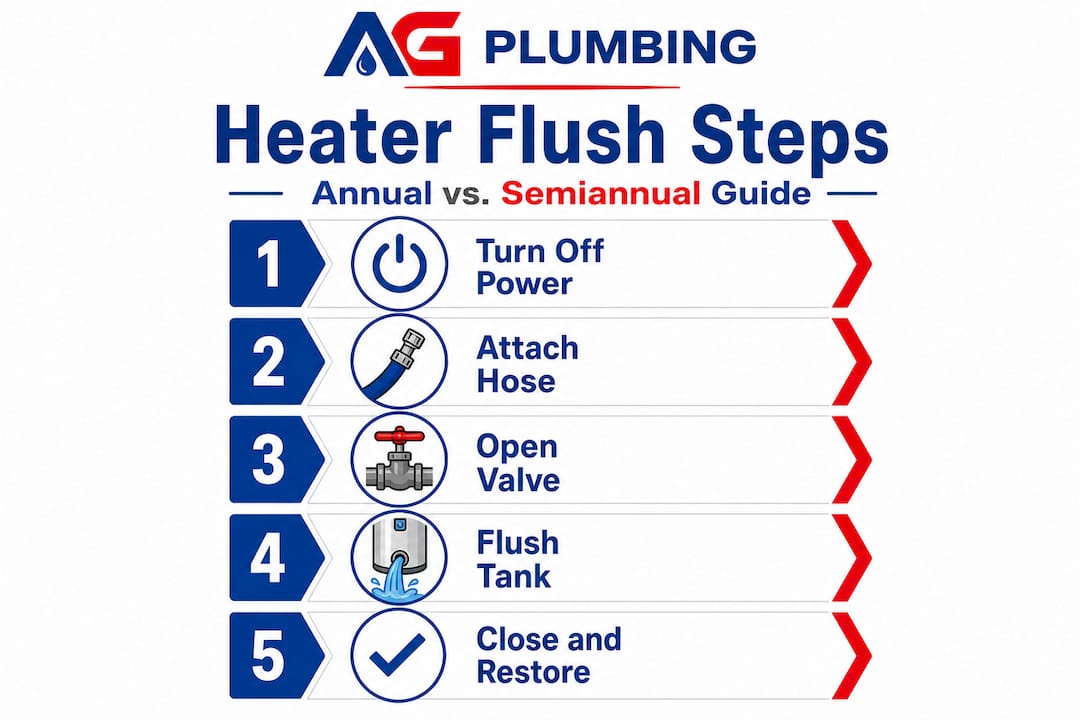
- Turn off the energy source. For gas heaters, set the thermostat to “pilot.” For electric heaters, turn off the circuit breaker.
- Let the water cool. Wait 1-2 hours to avoid scalding injuries. Hot water in a tank can exceed 120°F.
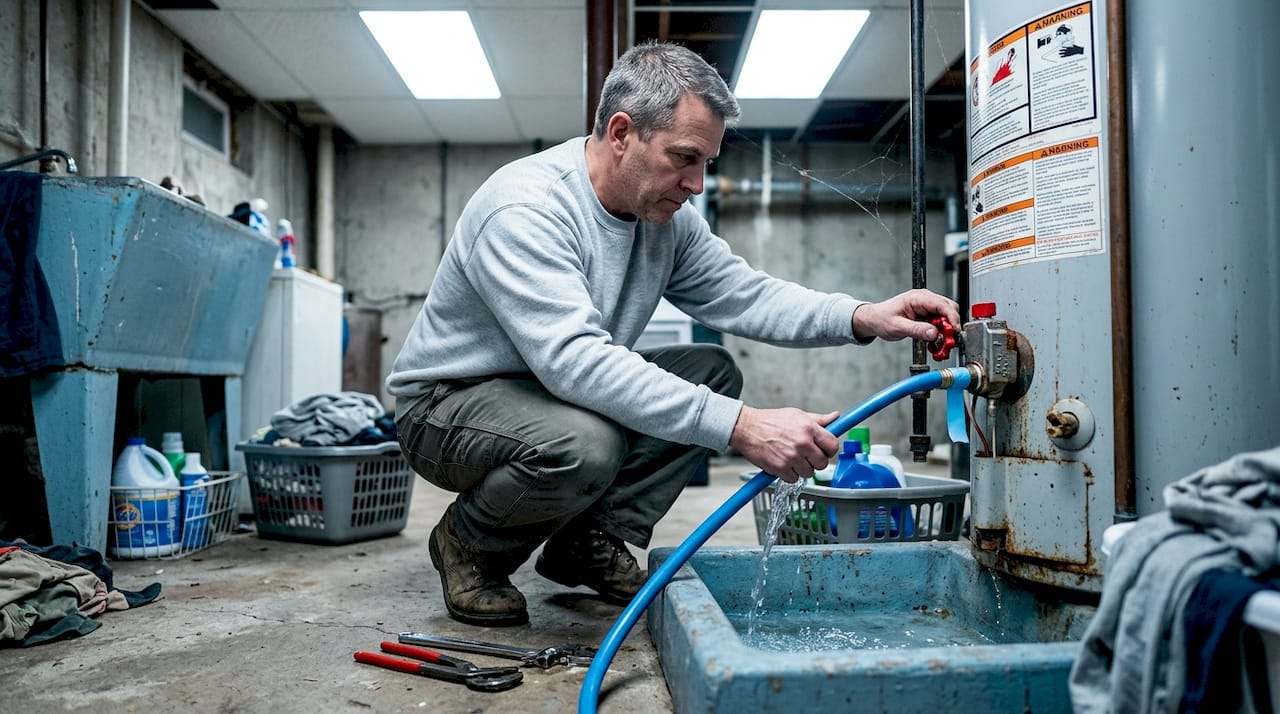
- Connect a garden hose to the drain valve at the base of the tank. Run the hose to a floor drain, bucket, or outdoor area.
- Open a hot water faucet somewhere in the house (like a kitchen sink) to prevent a vacuum from forming in the line.
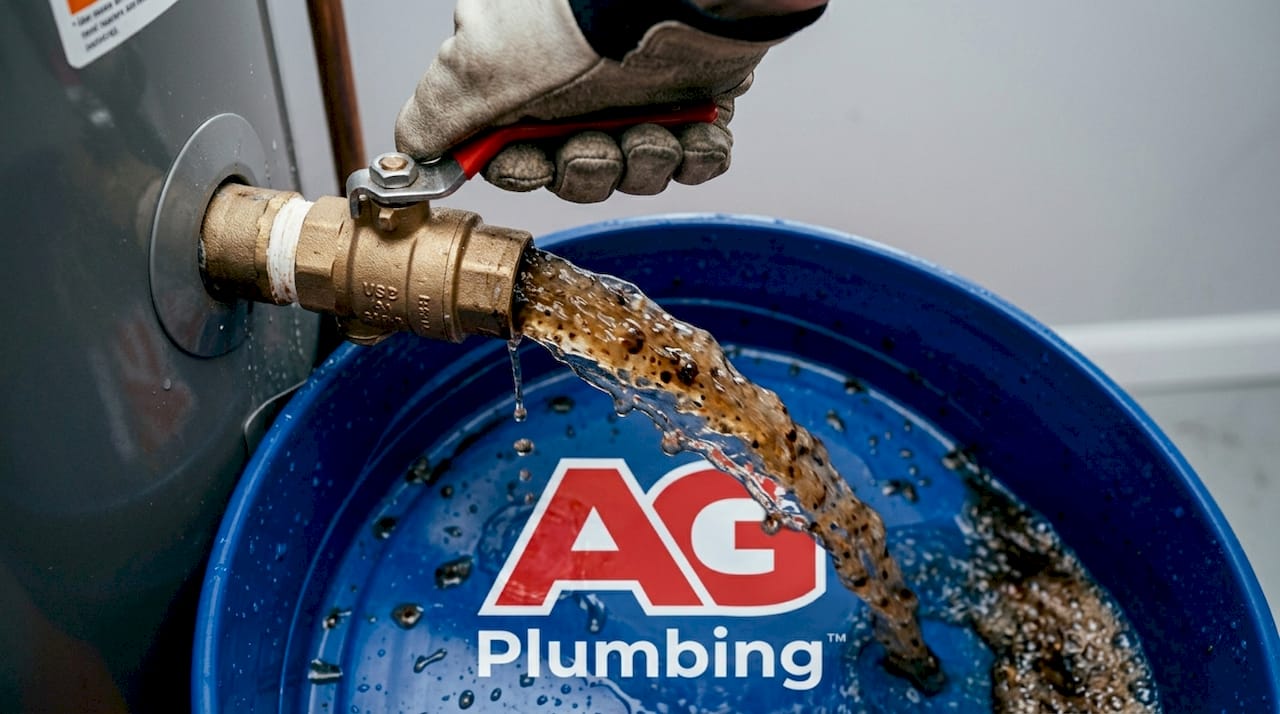
- Open the drain valve slowly and let 8-10 gallons flow out. Watch the water; it will likely run cloudy or brownish at first.
- Close the valve once the water runs clear. You don’t need to drain the entire tank for a maintenance flush.
- Remove the hose, restore power or gas, and let the tank refill and reheat before using.
This flushing methodology is specifically designed to avoid full drainage, which carries its own risks including valve damage and refilling complications.
Pro Tip: Don’t wait until your water heater shows symptoms before flushing. Set a calendar reminder every six months. Flushing a tank that’s still performing well is far easier and safer than flushing one that’s already heavily scaled.
Homeowners who want to protect more than just their water heater can explore broader preventative plumbing tips to safeguard the whole home. And if energy efficiency is a priority, our guide on plumbing energy savings pairs well with a flush routine to maximize results.
For homeowners with hard water who want additional strategies beyond the water heater, there are other hard water maintenance tips that address broader system care.
Risks and exceptions: When not to flush
Here’s the part of the conversation that most articles skip entirely, and it’s the most important caveat in this whole guide: flushing is not always the right move.
If your water heater is more than 10 years old and has never been flushed, stop. Do not attempt a DIY flush without consulting a professional first. On tanks older than 10 years or never flushed, sediment may actually be sealing pinhole leaks or microcracks in the tank lining. When you flush and remove that sediment, you can expose those failures and trigger a leak or complete tank failure.
This isn’t a rare edge case. We’ve seen it happen. A homeowner decides to start maintaining their neglected unit, flushes it for the first time in 12 years, and ends up with a flooded utility room. The issue wasn’t the flushing itself — it was the condition of the tank going in.
Experts caution against flushing on neglected or aged tanks where it may trigger leaks rather than prevent them. The conventional wisdom that “flushing is always good” is simply wrong in these specific situations.
Warning signs that a tank should be professionally inspected before any flushing attempt:
- Age over 10 years, especially without documented maintenance history
- Visible rust or corrosion on the tank exterior, valves, or connections
- Water already staining around the base of the unit
- Recent unusual noises that have changed in character or intensity
- No memory of when the last flush occurred
Pro Tip: Before attempting any flush on an older unit, check the serial number. Most manufacturers encode the installation date or manufacture year in the first few digits. If the tank is 8 years or older and has never been serviced, skip the DIY route and call a licensed plumber.
Our water heater upgrade advice can help you evaluate whether repair and maintenance still makes financial sense, or whether replacing an aging unit is the smarter investment given Pittsburgh’s energy costs.
Our take: Pittsburgh’s water heater maintenance requires nuance
After 30 years of servicing water heaters across Pittsburgh and the surrounding areas, we’ve developed a strong opinion on one thing: universal plumbing advice doesn’t serve Pittsburgh homeowners well.
Most of the guidance you’ll find online is written for a national average audience with average water hardness. Pittsburgh isn’t average. Our water hardness puts us firmly in “treat it differently” territory. A homeowner in a soft water region can follow the “flush once a year” rule and be totally fine. A Pittsburgh homeowner following that same rule is leaving real money on the table and shaving years off their water heater’s life.
Our practical recommendation: if your tank is under 10 years old and has been reasonably maintained, commit to a six-month flush schedule and don’t skip it. Treat it like an oil change for your car — it’s not optional, it’s just maintenance. If you’re unsure of the tank’s history or it’s approaching the 10-year mark, get a professional inspection before your next flush. A qualified plumber can assess the anode rod condition, check for sediment severity, and advise on whether maintenance or replacement is the better path.
The other thing we see constantly: homeowners who invest in Pittsburgh water heater insights and understand their system save significantly more over time than those who react only when something fails. Knowledge isn’t just protective — it’s cost-effective.
Hard water is a fact of life in Pittsburgh. The only question is whether you manage it proactively or pay for it reactively.
Get expert help with Pittsburgh water heater care
If this article raised questions about your specific water heater — its age, condition, or maintenance history — that’s exactly the kind of situation where a professional assessment pays for itself.
At AG Heating, Cooling & Plumbing, our team brings 30 years of Pittsburgh-specific experience to every job. We know local water conditions, common tank failure patterns, and how to advise homeowners on the right maintenance schedule for their exact setup. Whether you need plumbing repair services for an existing issue, guidance on how to service your water heater safely and effectively, or an honest conversation about whether it’s time to upgrade your water heater to a more energy-efficient model, we’re here to help Pittsburgh homeowners make smart, informed decisions about their homes.
Frequently asked questions
How does flushing my water heater reduce my energy bill?
Sediment acts as an insulating layer between the burner and the water, forcing the heater to run longer cycles to reach temperature. Removing that layer through flushing can cut energy bills by 10-20% by restoring efficient heat transfer.
How can I tell if my water heater needs to be flushed?
Rumbling noises during heating, inconsistent hot water temperatures, or unexplained increases in your utility bill are the most common signs. Pittsburgh’s hard water at 11.2 GPG means these symptoms tend to appear sooner than in softer water areas.
Is it safe to flush an old water heater?
Not necessarily. Sediment in older tanks can physically seal small cracks or pinhole leaks; flushing removes that protection and may trigger a leak or tank failure, especially in units over 10 years old.
Can partial flushing really help, or do I need a full drain?
Partial flushing is usually sufficient and significantly safer for routine maintenance. Regular partial flushes of 8-10 gallons clear active sediment effectively without the risks that come with fully draining an aging tank.
Recommended
- Upgrade your water heater and save money in Pittsburgh – AG-Plumbing
- Water Heaters: What Every Pittsburgh Homeowner Must Know – AG-Plumbing
- How plumbing improves energy efficiency and cuts costs – AG-Plumbing
- Cost-saving plumbing tips for Pittsburgh homeowners – AG-Plumbing
