
TL;DR:
- Pittsburgh homeowners should perform annual water heater maintenance to extend lifespan and prevent costly repairs.
- Proper choice and regular upkeep of tankless, tank, or hybrid heaters are essential for efficiency and reliability.
- Early detection of issues and professional inspections help avoid emergency replacements and property damage.
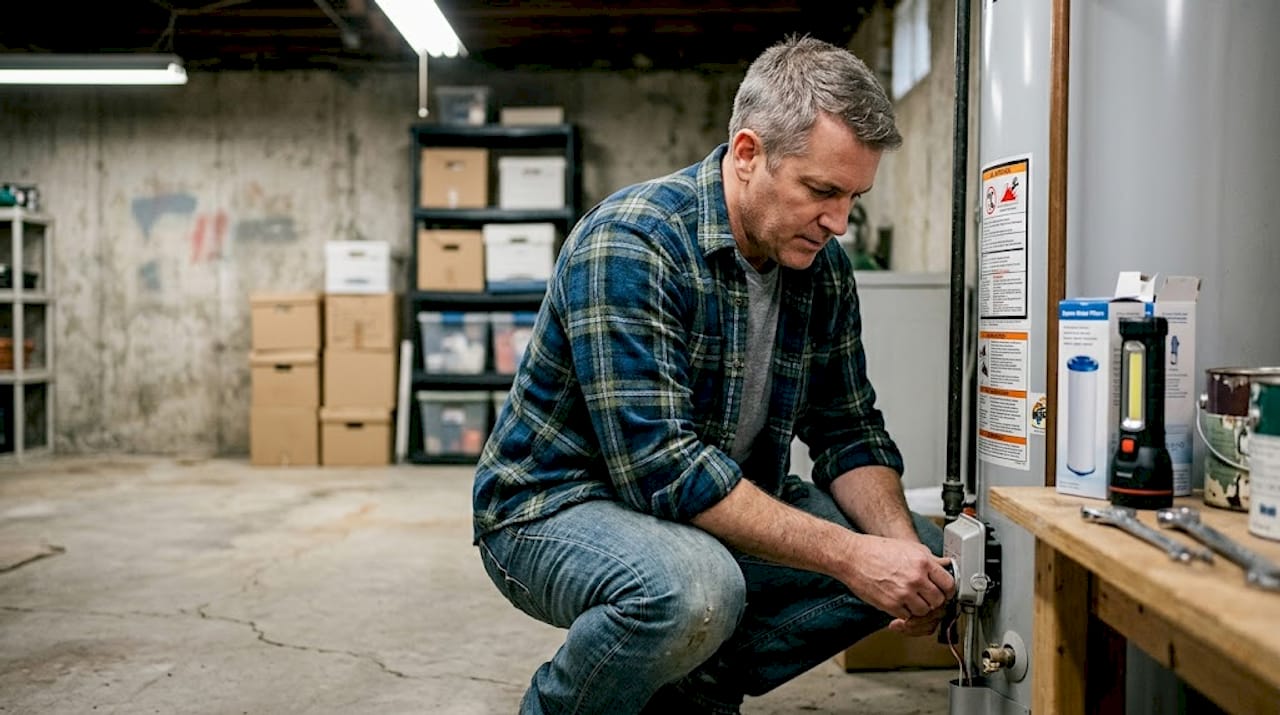
Most Pittsburgh homeowners think about their water heater exactly once: when they’re standing in a cold shower at 6 a.m. in January. That reactive approach costs far more than it should. Your water heater quietly accounts for roughly 18% of your home’s total energy use, and Pittsburgh’s cold winters make it work even harder than average. Ignoring it doesn’t just risk comfort; it shortens equipment life, spikes utility bills, and can cause property damage. This guide walks you through how water heaters work, which type fits your home, how to maintain one properly, and how to spot trouble before it becomes expensive.
Table of Contents
- What does a water heater do in your plumbing system?
- Types of water heaters: pros, cons, and local considerations
- How water heater maintenance protects your home and wallet
- Troubleshooting and when to call a plumber
- A plumber’s perspective: what most homeowners miss about water heaters
- Get expert help with your water heater in Pittsburgh
- Frequently asked questions
Key Takeaways
| Point | Details |
|---|---|
| Crucial home role | Water heaters are essential for everyday comfort and home hygiene in Pittsburgh. |
| Variety of options | Choosing the right type—tank, tankless, or hybrid—impacts efficiency and comfort. |
| Regular maintenance matters | Flushing and inspections can extend a water heater’s life by up to 40 percent. |
| Know your limits | Understand when to troubleshoot issues yourself and when to call a plumber. |
What does a water heater do in your plumbing system?
Your water heater is the engine behind nearly every comfort routine in your home. Morning showers, washing dishes, running the laundry, filling the kitchen sink — all of it depends on hot water arriving on demand. When that system fails, daily life grinds to a halt fast.
At its core, a water heater pulls cold water from your supply line, heats it using gas burners or electric elements, and stores or delivers it directly to your fixtures. It connects to your broader plumbing system through inlet and outlet pipes, pressure relief valves, and a drain line. Understanding this integration matters because a failing water heater rarely stays isolated — it can stress connected pipes, trigger pressure problems, and even cause flooding if a valve fails.
Here in Pittsburgh, where temperatures routinely drop well below freezing, your water heater works overtime during winter months. Cold incoming water temperatures mean the unit has to raise water temperature over a greater range, consuming more energy and putting more strain on components. Water heater efficiency becomes especially important when your system is fighting against January in Pittsburgh.
Water heaters play a central role in providing hot water for comfort, hygiene, and safety throughout every season. The appliance earns its place in your home — but only if it’s properly maintained.
Here’s what your water heater supports every single day:
- Hot showers and baths for your household
- Dishwasher performance and effective grease removal
- Clothes washing at optimal temperatures
- Hand washing and sanitation throughout the home
- Steam-based heating in some older Pittsburgh homes
Think of your water heater as the silent workhorse of your plumbing system. When it runs well, you never notice it. When it fails, you notice everything.
Considering energy efficiency in plumbing as part of your whole-home strategy will help you understand why the water heater deserves regular attention, not just emergency calls.
Types of water heaters: pros, cons, and local considerations
Once you understand what a water heater does, the next question is which type fits your home, your budget, and Pittsburgh’s climate. The market has changed significantly over the past decade, and the old assumption that a tank heater is always the default no longer holds.
Tank water heaters store a set volume of preheated water, typically 40 to 80 gallons. They’re affordable upfront, familiar to most plumbers, and reliable in cold climates because they maintain temperature even during high-demand periods. The downside: standby heat loss. The tank keeps water hot around the clock, even when nobody’s home.
Tankless water heaters heat water on demand using high-powered burners or electric coils. They’re more energy-efficient and last longer on average, often 20 years versus 10 to 12 for tank models. The trade-off is a higher upfront cost and a potential lag in very cold climates when the incoming water supply is near freezing.
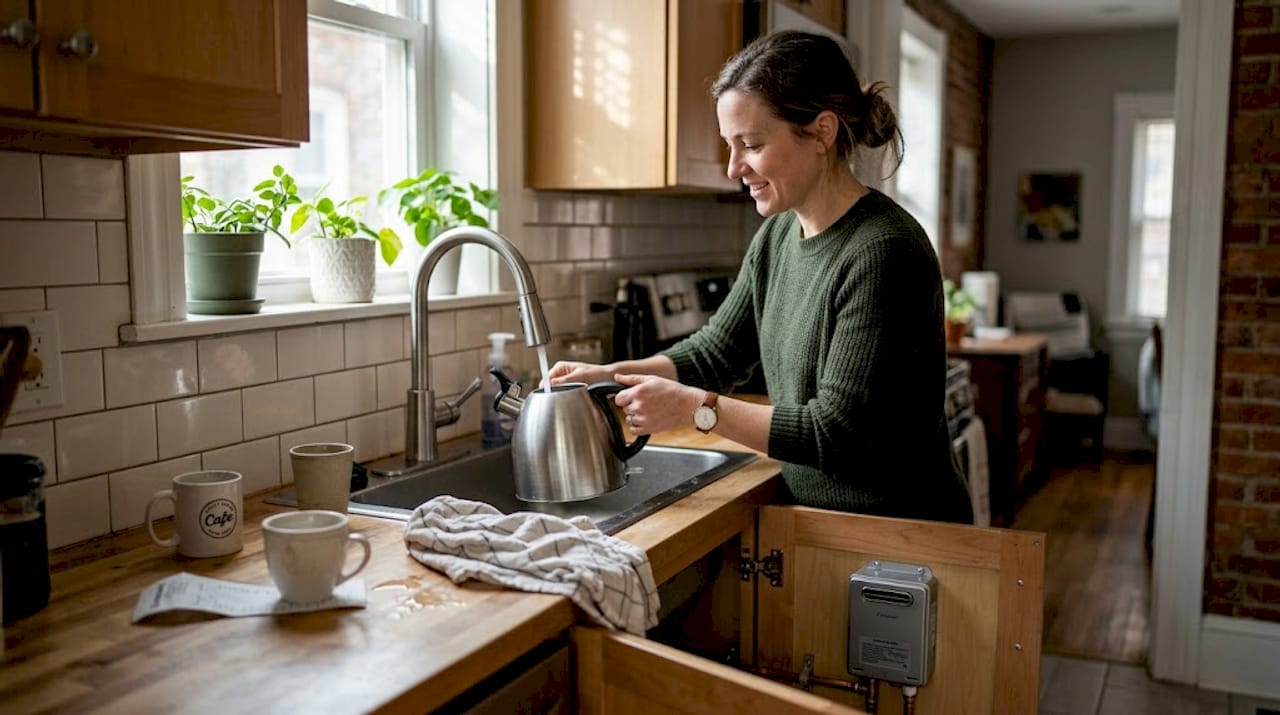
Hybrid heat pump water heaters pull heat from surrounding air to warm water, using far less electricity than traditional electric models. They’re excellent for energy-conscious homeowners but need enough interior space and ambient warmth to operate effectively.
Water heater choice impacts efficiency, home comfort, and costs in ways most homeowners don’t anticipate until the first utility bill arrives after installation.
| Feature | Tank | Tankless | Hybrid heat pump |
|---|---|---|---|
| Upfront cost | Low | High | Medium to high |
| Monthly energy cost | Higher | Lower | Lowest |
| Cold climate performance | Excellent | Good | Moderate |
| Lifespan | 10 to 12 years | Up to 20 years | 13 to 15 years |
| Space needed | More | Less | Needs clearance |
| Maintenance frequency | Annual | Annual | Annual |
For most Pittsburgh homeowners, a tank unit remains the practical standard, but common plumbing issues tied to aging tank models are pushing more people toward tankless systems during replacements.
Pro Tip: No matter which type you choose, efficiency claims from manufacturers assume proper installation and regular maintenance. A poorly maintained tankless unit will underperform a well-maintained tank model every time.
How water heater maintenance protects your home and wallet
Choosing the right unit is step one. Protecting that investment over its full lifespan is step two, and it’s where most Pittsburgh homeowners fall short.
Routine water heater maintenance can extend lifespan by 20 to 40% and prevent costly breakdowns that come without warning. That’s potentially several extra years of service from a unit you already own.
20 to 40% longer lifespan. That’s the documented benefit of consistent annual maintenance on your water heater.
Here’s the maintenance routine every Pittsburgh homeowner should follow:
- Flush sediment annually. Pittsburgh’s water supply contains minerals that settle at the bottom of your tank. This sediment acts as insulation, forcing your heater to work harder and longer. Flush the tank once a year, or every six months if you notice scale buildup or longer heat recovery times.
- Test the T&P valve. The temperature and pressure relief valve is your water heater’s primary safety device. Lift the lever briefly to confirm it releases water and then reseats properly. A stuck valve is a serious hazard.
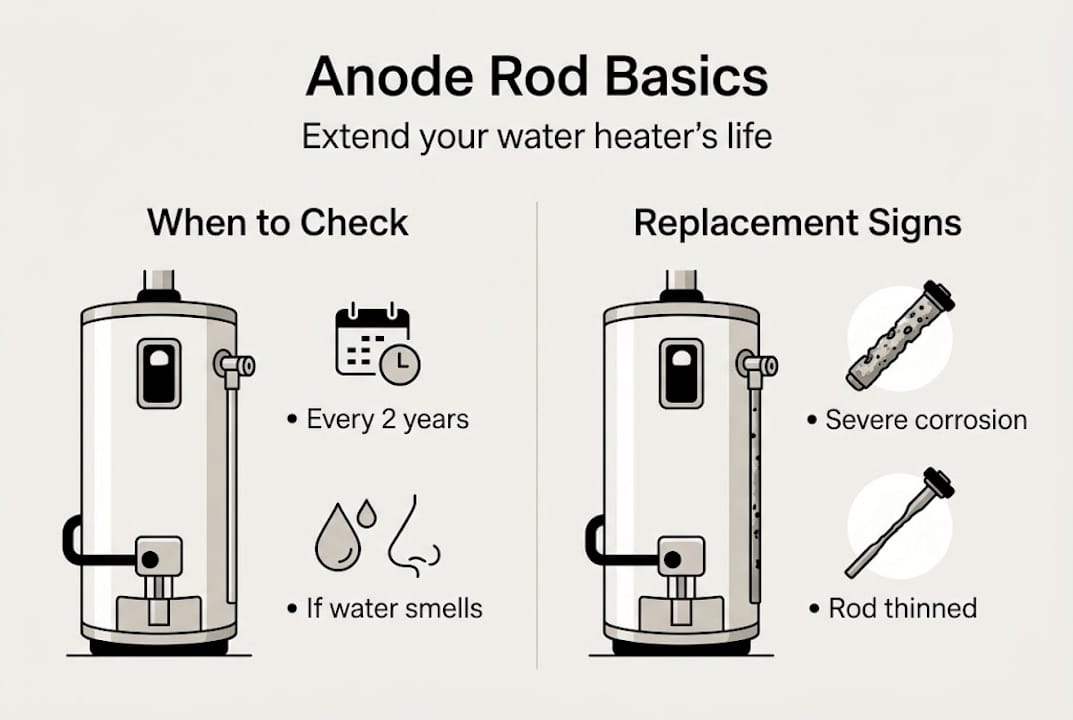
- Inspect and replace the anode rod. This sacrificial metal rod attracts corrosive minerals to protect the tank lining. Check it every two to three years. If it’s more than 50% depleted, replace it immediately. A failed anode rod leads to tank corrosion and early unit death.
- Verify temperature settings. Your thermostat should be set to 120 degrees Fahrenheit. Higher settings waste energy and create scalding risk; lower settings can allow bacterial growth.
- Check for leaks and inspect venting. Small drips near connections or signs of moisture at the base deserve immediate attention. Gas-powered units need clear, unobstructed venting to function safely.
Folowing a solid plumbing maintenance checklist keeps all of this organized and easy to track. Scheduling annual plumbing inspections with a licensed plumber takes the guesswork out of the process entirely.
Pro Tip: The anode rod is the single most overlooked maintenance item we see. Replacing a $30 rod every few years is far cheaper than a $1,200 tank replacement.
Troubleshooting and when to call a plumber
Even with solid maintenance habits, water heaters develop problems. Knowing the difference between a symptom you can address yourself and one that requires a licensed plumber is valuable knowledge.
Common signs of water heater trouble and early maintenance steps help homeowners avoid major repairs and expensive emergency calls.
Watch for these warning signs:
- Rumbling or popping sounds usually indicate heavy sediment buildup at the tank bottom
- Rust-colored or metallic-tasting water points to a corroding tank or failed anode rod
- Lukewarm water during peak usage signals a capacity or heating element issue
- Water pooling near the base suggests a leak at connections or a compromised tank
- Pilot light keeps going out on gas units often means a faulty thermocouple
| Symptom | Likely cause | DIY fix | Call a pro? |
|---|---|---|---|
| Rumbling sounds | Sediment buildup | Flush the tank | Only if flushing fails |
| No hot water | Tripped breaker or pilot light | Reset breaker or relight pilot | Yes, if issue persists |
| Rust-colored water | Corroded anode rod | Inspect and replace anode rod | Yes, if tank is rusting |
| Water near base | Tank leak or loose connection | Tighten fittings | Yes, if tank itself leaks |
| Fluctuating temperature | Thermostat or element failure | Adjust thermostat | Yes, for element issues |
Useful resources for identifying plumbing repair issues can help you narrow down the cause quickly. For serious leaks or gas-related concerns, emergency plumbing solutions exist for a reason. Don’t wait on those. If you’re unsure, solid plumbing troubleshooting guidance can walk you through a step-by-step diagnosis before you pick up the phone.
Timely action on even minor symptoms consistently prevents the biggest repair bills. A small drip ignored for three months can mean a flooded basement by spring.
A plumber’s perspective: what most homeowners miss about water heaters
After 30 years of service in Pittsburgh, we’ve seen one pattern repeat itself more than any other: homeowners call us after the damage is done, not before. The water heater they haven’t thought about in five years suddenly demands a $1,500 emergency replacement during a cold snap in February.
Pittsburgh’s water supply carries mineral content that accelerates sediment buildup and corrodes anode rods faster than homeowners expect. That means our local conditions genuinely require more vigilance than national guidelines suggest.
The homeowners who avoid these crises aren’t luckier. They just check their anode rod every two years, flush their tank before summer, and schedule a quick inspection annually. Simple steps. Consistent timing. We’ve seen a $45 maintenance visit prevent a $3,000 water damage claim.
Our honest advice: don’t treat your water heater like a smoke detector. You wouldn’t skip testing that for five years. Get informed about your unit, and lean on water heater pros’ advice when something feels off. The cost of curiosity is zero. The cost of ignoring it rarely is.
Get expert help with your water heater in Pittsburgh
Understanding your water heater is the first step. Acting on that knowledge is what actually protects your home and keeps your energy bills reasonable year-round.
At AG Heating, Cooling & Plumbing, our team brings 30 years of Pittsburgh-specific experience to every water heater inspection, maintenance call, and installation. We know the local water conditions, the local climate demands, and the equipment that performs best for Pittsburgh homes. Whether you need routine upkeep or a full replacement, our expert plumbing services are built around giving you honest answers and quality work. For Pittsburgh plumbing repair or detailed water heater installation and advice, we’re ready to help.
Frequently asked questions
How often should a water heater be flushed in Pittsburgh, PA?
Flush your tank at least once a year, but move to every six months if you notice mineral buildup or live in an area with harder water conditions. Annual flushing frequency depends on your local water quality.
What temperature should I set my water heater to for safety and efficiency?
Set your water heater to 120 degrees Fahrenheit. This temperature balances energy savings with safety and reduces the risk of scalding, while the recommended 120F setting also discourages bacterial growth.
How do I know if my water heater’s anode rod needs to be replaced?
Inspect the anode rod every two to three years and replace it if it shows significant corrosion or depletion. The anode rod replacement interval shortens in areas with harder or more mineral-heavy water.
Can regular maintenance really extend the life of my water heater?
Absolutely. Consistent annual maintenance can extend your unit’s lifespan by 20 to 40%, meaning years of additional service from a unit you’ve already paid for.
Recommended
- Service water heaters: efficiency guide for PA homes – AG-Plumbing
- Cost-saving plumbing tips for Pittsburgh homeowners – AG-Plumbing
- How to clean water lines: Pittsburgh homeowner guide – AG-Plumbing
- Install plumbing fixtures: Pittsburgh homeowner guide – AG-Plumbing
