
TL;DR:
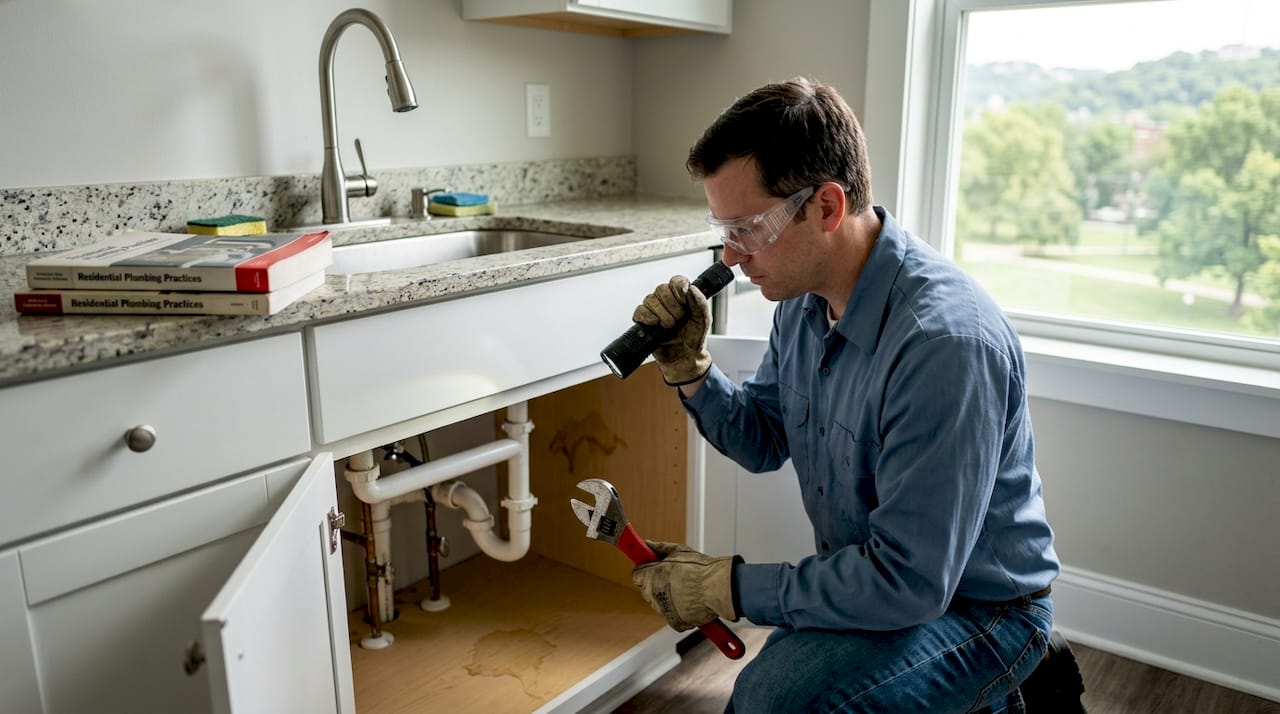
- Homeowners in Pittsburgh should recognize the risks of aging plumbing materials, especially when conducting repairs. Using proper PPE, turning off water and power, and following safety checklists are essential to prevent accidents and health hazards. When in doubt or facing complex issues, calling a licensed professional ensures safety and correct resolution.
Plumbing problems have a way of turning into emergencies fast, especially when the wrong move sends scalding water across a bathroom floor or exposes your family to sewage contamination. Pittsburgh homes, many of which date back several decades, carry their own unique set of risks: aging pipes, older materials, and basements that sit close to electrical panels. Knowing how to work safely around your plumbing, or when to step back and call a pro, is one of the most valuable skills a homeowner can have. This guide walks you through the core safety principles, the most important protective steps, and the hidden health hazards that most homeowners never see coming.
Table of Contents
- 1. Set clear criteria for plumbing safety at home
- 2. Top essential plumbing safety tips for homeowners
- 3. Comparing safety approaches: DIY vs calling a pro
- 4. Addressing hidden health hazards in your plumbing
- A practical perspective on plumbing safety: What most guides miss
- Professional plumbing support for a safer Pittsburgh home
- Frequently asked questions
Key Takeaways
| Point | Details |
|---|---|
| Prioritize personal safety | Always use gloves, eye protection, and power controls before starting plumbing work. |
| Know your DIY limits | Avoid tasks involving sewage, electricity, or hazardous chemicals—call a professional. |
| Don’t ignore hidden hazards | Test or flush stagnant pipes to reduce risks from Legionella, lead, and mold. |
| Follow expert guidance | Using safer tools and PPE minimizes risk during routine and urgent plumbing tasks. |
| Professional help adds security | Certified plumbers handle difficult or dangerous plumbing scenarios safely. |
1. Set clear criteria for plumbing safety at home
With core risks in mind, let’s set out clear safety criteria before acting.
Before you reach for a wrench, you need a framework. Plumbing safety is not just about avoiding floods. It involves protecting yourself from a surprising range of physical and chemical hazards that exist inside walls, under sinks, and behind toilet tanks. Understanding those hazards clearly is the first step toward making good decisions.
Start by reviewing the smart plumbing tips that apply specifically to homes in this region. Pittsburgh’s older housing stock frequently features galvanized steel pipes, aging solder joints, and in some cases, cast iron drain lines that have been patched over the years. Each of those materials introduces its own risk when disturbed.
The most common household plumbing hazards include:
- Hot pipes and steam: Pipes carrying hot water can reach temperatures that cause serious burns in less than a second of direct contact.
- Chemical drain cleaners: Products containing lye or sulfuric acid will eat through skin on contact, and the fumes are corrosive to airways.
- Raw sewage exposure: Drain lines carry bacteria like E. coli and other pathogens. Even brief skin contact without protection creates a real infection risk.
- Sharp pipe edges and fittings: Cut copper, cracked PVC, and corroded iron pipe create jagged edges that cause deep cuts.
- Flooding near electrical outlets: Standing water near an outlet or panel creates an electrocution hazard that homeowners often underestimate.
Following the plumbing maintenance checklist for your home helps you catch many of these hazards before they become emergencies. Proactive inspection is always safer than reactive repair.
Using PPE appropriate to the hazard, such as gloves and eye protection, reduces risk from splashes, sharp parts, confined spaces, and contaminated water. That means rubber gloves for chemical work, latex or nitrile gloves for basic repairs, and safety glasses whenever you are cutting, prying, or dealing with a pressurized line.
Pro Tip: Always turn off the water supply at the shutoff valve before opening any pipe. If the work is anywhere near an electrical outlet, panel, or appliance, cut the power to that circuit at the breaker first.
“PPE and power control become safety-critical steps, not optional precautions.”
That shift in mindset, from treating safety gear as a suggestion to treating it as a requirement, is what separates a safe repair from a dangerous one.
2. Top essential plumbing safety tips for homeowners
Now that criteria are established, these top safety tips put those principles into practice.
Safety in plumbing comes down to consistent habits. Whether you are tightening a leaky faucet or responding to a burst pipe at 2 a.m., the sequence of steps you follow determines how safe the outcome will be.
Hazards from hot pipes, burst spray debris, chemical exposure, and raw sewage are real and documented risks requiring gloves and proper precautions. Here is a numbered approach to keeping yourself protected through the most common home plumbing tasks:
- Shut off the water first. Know where every shutoff valve is in your home before anything goes wrong. Locate the main shutoff, the individual toilet valves, and the under-sink valves.
- Drain the line. After shutting off the supply, open the lowest faucet in the system to release pressure and drain remaining water before opening a pipe.
- Put on gloves and eye protection before touching anything. This applies even to tasks that seem minor. A cracked fitting under a sink can spray contaminated water in your face when it is loosened.
- Ventilate the space. If you are working with chemical cleaners, soldering, or near drain lines, open windows and turn on fans. Confined spaces with poor airflow can reach dangerous concentrations of fumes quickly.
- Read product labels before using chemical drain cleaners. Never mix products. Combining an acid-based cleaner with a bleach-based product generates chlorine gas, which is toxic even in small amounts.
- Do not force fittings. Stripped threads and cracked pipes often happen when too much torque is applied. A damaged pipe can become a bigger, more expensive problem than the one you started with.
- Check for water near electrical sources. Before touching any flooded area, verify the power to that section of the home is off.
- Inspect your repair before restoring water. Turn the supply back on slowly and check every connection visually before leaving the area.
- Clean up immediately. Any standing water, residue from chemical cleaners, or debris from pipes should be removed right away to prevent mold, slipping hazards, or secondary contamination.
- Consult an emergency resource for serious situations. This emergency plumbing guide covers the first steps for scenarios like burst pipes, sewage backups, and flooding.
Pro Tip: Avoid DIY when sewage or caustic chemicals are involved. Sewage backup repairs, for example, require specialized equipment and full protective gear including face shields and respirators. This is not a job for a Saturday afternoon with basic tools.
Quick do’s and don’ts:
- Do: Use a plunger with a flange for toilets and a cup plunger for sinks and tubs.
- Do: Use plumber’s tape on threaded connections to prevent slow leaks.
- Don’t: Pour grease or food waste down kitchen drains, even with a garbage disposal running.
- Don’t: Ignore a slow drain for weeks. It signals a developing clog that gets harder to clear over time.
- Don’t: Use a wire coat hanger as a drain snake. It can puncture PVC pipes and spread contamination.
When you use the plumbing troubleshooting steps designed for Pittsburgh homeowners, you work through problems methodically instead of reacting under pressure.
3. Comparing safety approaches: DIY vs calling a pro
Understanding the limits of DIY is critical. Here is how to make a safe choice.
Not every plumbing problem calls for the same response. DIY is safer when hazards are minimized and safer tools and approaches are available. The table below gives you a direct comparison across common scenarios.
| Scenario | DIY safety level | Key risks | Recommended action |
|---|---|---|---|
| Leaky faucet | Low risk | Minor splash, sharp fittings | DIY with gloves and basic tools |
| Clogged sink drain | Moderate risk | Chemical exposure, contaminated water | DIY with PPE; call pro if chemical use is needed |
| Running toilet | Low risk | None significant | DIY, parts available at hardware stores |
| Burst pipe | High risk | Flooding, electrical hazard, structural damage | Call a professional immediately |
| Sewage backup | Very high risk | Pathogen exposure, toxic gases | Always call a licensed plumber |
| Water heater repair | High risk | Burns, gas leaks, electrical issues | Call a licensed plumber |
| Pipe replacement | Moderate to high risk | Lead exposure, incorrect sizing, code violations | Call a professional for older homes |
When you should NOT attempt a DIY repair:
- Any situation involving raw sewage or drain backups from the main line
- Repairs near electrical panels, junction boxes, or appliances like dishwashers and water heaters
- Homes built before 1986 where lead solder or pipes may be present
- Any job requiring a permit, which in Pittsburgh includes water heater installation and major pipe work
- When you cannot identify what type of pipe material you are working with
Review these preventative plumbing tips to reduce how often reactive repairs become necessary. Prevention is genuinely the safest strategy. For situations where a repair cannot be avoided, learning which common plumbing issues are within a typical homeowner’s capability helps you decide quickly and confidently.
4. Addressing hidden health hazards in your plumbing
Once the basics and visible hazards are managed, it is time to consider the health risks hidden inside your water system.
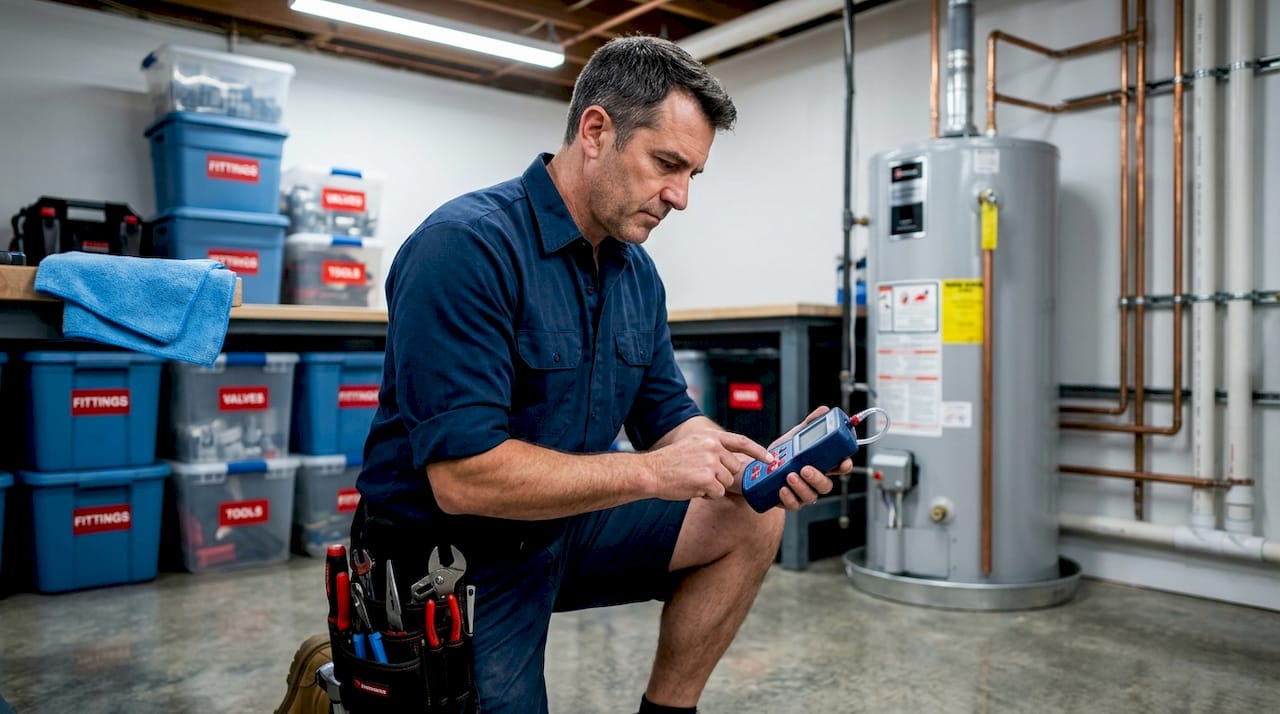
Some of the most serious plumbing risks have no visible warning signs. They do not smell, they do not cause an obvious leak, and they do not announce themselves until someone gets sick.
[CDC guidance identifies hazards](https://www.cdc.gov/control-legionella/php/guidance/building-water-system.html#:~:text=Legionella and Legionnaires’ disease) including Legionella and lead and copper entry from corrosion of plumbing during long periods of low or no water use. This becomes especially relevant for Pittsburgh homeowners who travel for extended periods, own rental properties, or have recently purchased an older home that sat vacant.Common hidden plumbing health hazards:
| Hazard | Source | Health risk | Preventive action |
|---|---|---|---|
| Legionella bacteria | Stagnant warm water in pipes | Legionnaires’ disease, a serious pneumonia | Flush all taps after extended vacancy |
| Lead contamination | Corroded lead pipes or solder | Neurological damage, especially in children | Test water, replace lead service lines |
| Mold growth | Slow leaks behind walls | Respiratory illness, allergic reactions | Fix leaks quickly, inspect monthly |
| Hydrogen sulfide gas | Dry drain traps, sewage gases | Headache, nausea, respiratory distress | Run water in unused drains regularly |
| Copper leaching | Acidic water corroding pipes | Liver and kidney stress over time | Test water pH, use a filter |
Signs your plumbing may be contaminated:
- Water that appears brownish, yellowish, or cloudy when first run
- A rotten egg or sulfur smell from faucets or drains
- Low water pressure that developed gradually without a known cause
- A home that has been vacant for more than two weeks
- Fixtures or pipe joints with visible corrosion or white mineral buildup
How to safely flush stagnant pipes after a vacancy:
- Start with cold water taps and run each one for at least five minutes.
- Flush the water heater by running the hot side of every tap until the temperature stabilizes.
- Run all showers, tubs, and appliance connections including refrigerator ice makers.
- Do not use water for drinking or cooking until the flush is complete.
Understanding the connection between plumbing and health in your home puts these hazards in a broader context. The quality of your water and the condition of your pipes directly affects the health of everyone in your household. That is not an abstraction. Lead exposure in children has permanent neurological consequences, and Legionnaires’ disease hospitalizes thousands of Americans every year.
A practical perspective on plumbing safety: What most guides miss
With all technical advice in mind, consider this hands-on wisdom from real-life scenarios.
After 30 years of working in Pittsburgh homes, our team has seen patterns that go beyond what any checklist captures. The most dangerous plumbing situations we respond to are rarely caused by ignorance. They are caused by overconfidence.
A homeowner who has replaced a faucet a dozen times decides a leaking water heater connection is the same kind of job. It is not. Or someone shuts off the main supply, gets halfway through a repair, notices water is still trickling, and assumes it is just residual water draining down. It is not. There is a secondary supply line they did not know existed. These are not hypotheticals. They are the calls we get.
The cost-saving plumbing tips that actually save money long term are the ones that factor in risk, not just material cost. A $15 repair that goes wrong and floods a finished basement does not save money. It costs thousands.
Here is what conventional guides rarely tell you: the moments just before a repair begins are the most important. Before you touch anything, pause and ask yourself three questions. Do I know exactly where the water comes from and where it goes? Do I know what else might be affected when I open this pipe? Do I have a plan if this does not go as expected?
That habit, pausing to assess before acting, prevents the edge cases that send people to the emergency room. Plumbing emergencies involving areas near electrical panels or contaminated water are the situations where overconfidence causes the worst outcomes. PPE and power control are not optional in those moments. They are what stand between a repair and a crisis.
Experienced plumbers do not skip steps when the job looks easy. That discipline is exactly what keeps simple repairs from becoming expensive emergencies.
Professional plumbing support for a safer Pittsburgh home
For those times when doing it yourself is not the best option, rely on experienced help.
Some repairs genuinely require a professional, and knowing that in advance protects your home, your health, and your finances. AG Heating, Cooling & Plumbing has served Pittsburgh homeowners for 30 years with the kind of expertise that comes from seeing every variation of every problem.
Whether you need professional plumbing repairs for a burst pipe, a sewage backup, or a water heater that is past its service life, our licensed team handles it safely and correctly the first time. We also help homeowners understand which common plumbing issues they can maintain themselves and which ones need expert attention. When you work with AG Heating, Cooling & Plumbing, you get a team that prioritizes your safety and your peace of mind above everything else. Contact us today to schedule an inspection or get same-day help with an active plumbing emergency.
Frequently asked questions
What PPE is truly necessary for home plumbing tasks?
Gloves and eye protection are essential for most repairs, especially when dealing with chemicals, hot pipes, or contaminated water. PPE appropriate to the hazard reduces risk from splashes, sharp parts, confined spaces, and contaminated water.
How do I know if plumbing water is contaminated after a long vacancy?
Test water for discoloration or unusual smell and consult local authorities if you are unsure about safety. [CDC guidance notes](https://www.cdc.gov/control-legionella/php/guidance/building-water-system.html#:~:text=Legionella and Legionnaires’ disease) that Legionella and lead may be undetectable by sight or smell but still hazardous to health.
Is it safe to clear clogged drains with chemical cleaners myself?
Only use chemical cleaners if you wear proper PPE and the clog does not involve raw sewage. Hazards from chemical exposure and burst spray debris require gloves and precautions at minimum, so call a professional when in doubt.
What is the biggest mistake homeowners make with plumbing emergencies?
Attempting repairs without turning off water or electricity first is the most common and most dangerous mistake. When emergencies involve electrical panels or contaminated water, PPE and power control become critical, not optional.
When should I always call a professional plumber for safety reasons?
Call a licensed plumber whenever sewage, electrical risks, or hazardous chemicals are involved, or any time you are unsure how to proceed. DIY is only safer when hazards are minimized and you have the right tools and knowledge for the specific job.
Recommended
- Smart Plumbing Tips Every Pittsburgh Homeowner Needs – AG-Plumbing
- Cost-saving plumbing tips for Pittsburgh homeowners – AG-Plumbing
- Preventative Plumbing Tips to Protect Your Pittsburgh Home – AG-Plumbing
- Install plumbing fixtures: Pittsburgh homeowner guide – AG-Plumbing
