
TL;DR:
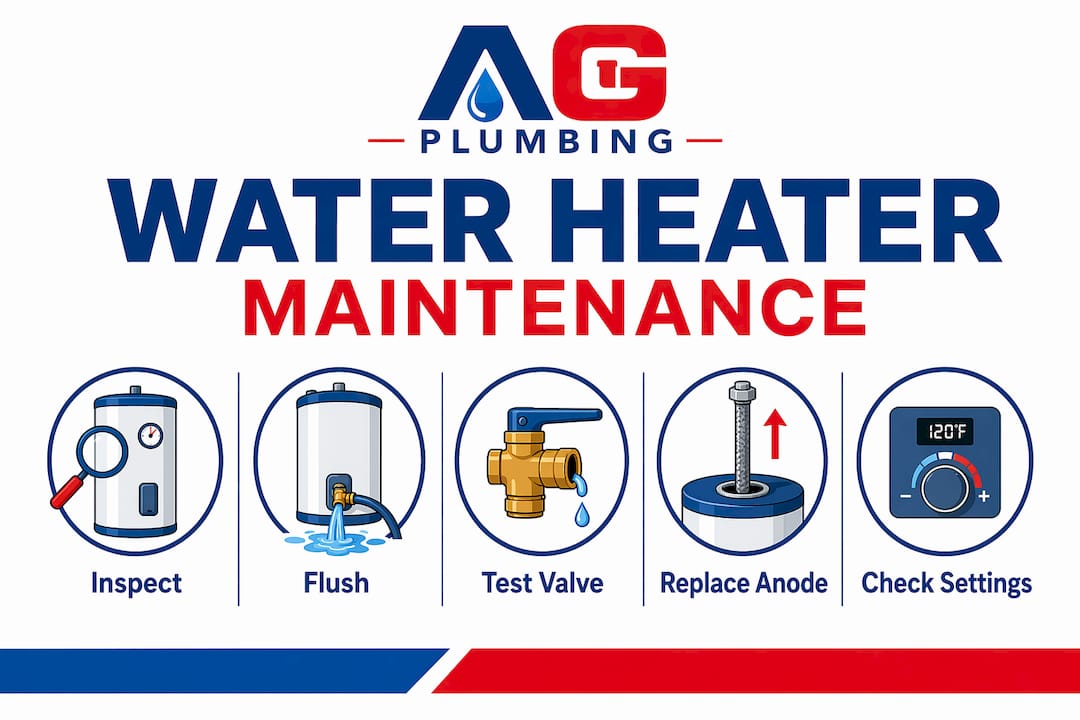
- Regular water heater maintenance is essential, especially in Pittsburgh’s hard water conditions, to extend the system’s lifespan and prevent costly failures.
- Homeowners should perform annual flushing, biannual safety valve tests, and replacement of the anode rod every 3–4 years, while knowing when professional help is necessary.
Water heater maintenance is the process of regularly inspecting, flushing, testing, and replacing parts to keep your unit running efficiently and prevent costly failures. For Pittsburgh homeowners, this process carries extra weight. The region’s hard water accelerates sediment buildup inside tank-style heaters, shortening their lifespan faster than in softer-water areas. A garden hose, a replacement anode rod (around $30), and a few hours each year are all it takes to protect a system that costs $800–$1,500 to replace. This guide walks you through every step, from prep to professional handoff.
What tools do you need before maintaining your water heater?
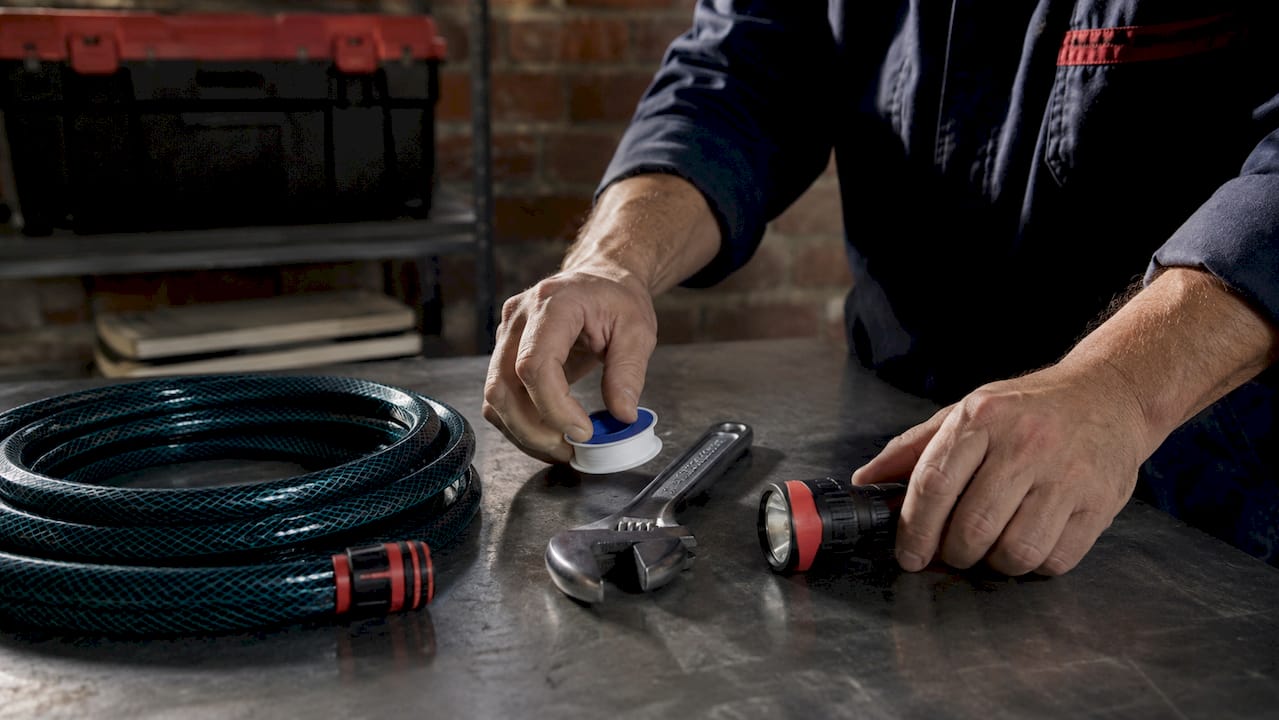
Gathering the right tools before you start saves time and prevents mid-task scrambling. You will need a garden hose long enough to reach a floor drain or exterior, work gloves, safety goggles, a flathead screwdriver, and an adjustable wrench. A multimeter is optional but useful if you have an electric heater and want to test the heating elements.
Safety prep matters as much as the tools themselves. For gas heaters, turn the thermostat dial to the “pilot” setting before doing anything else. For electric heaters, flip the dedicated circuit breaker to the off position. Let the water cool for at least two hours before draining. Skipping this step is the most common cause of scalding injuries during DIY maintenance.
Before you touch a single valve, identify your unit type. Gas, electric, tank-style, and tankless heaters each have different maintenance schedules and procedures. Tankless units, for example, require annual descaling of the heat exchanger, while heat pump water heaters need air filter cleaning every 1–3 months. Knowing your unit type prevents you from following the wrong steps.
Pro Tip: Tape a laminated card to the side of your heater listing the unit type, installation date, and last service date. This takes two minutes and saves you from guessing during every future maintenance session.
How to flush and drain your tank water heater
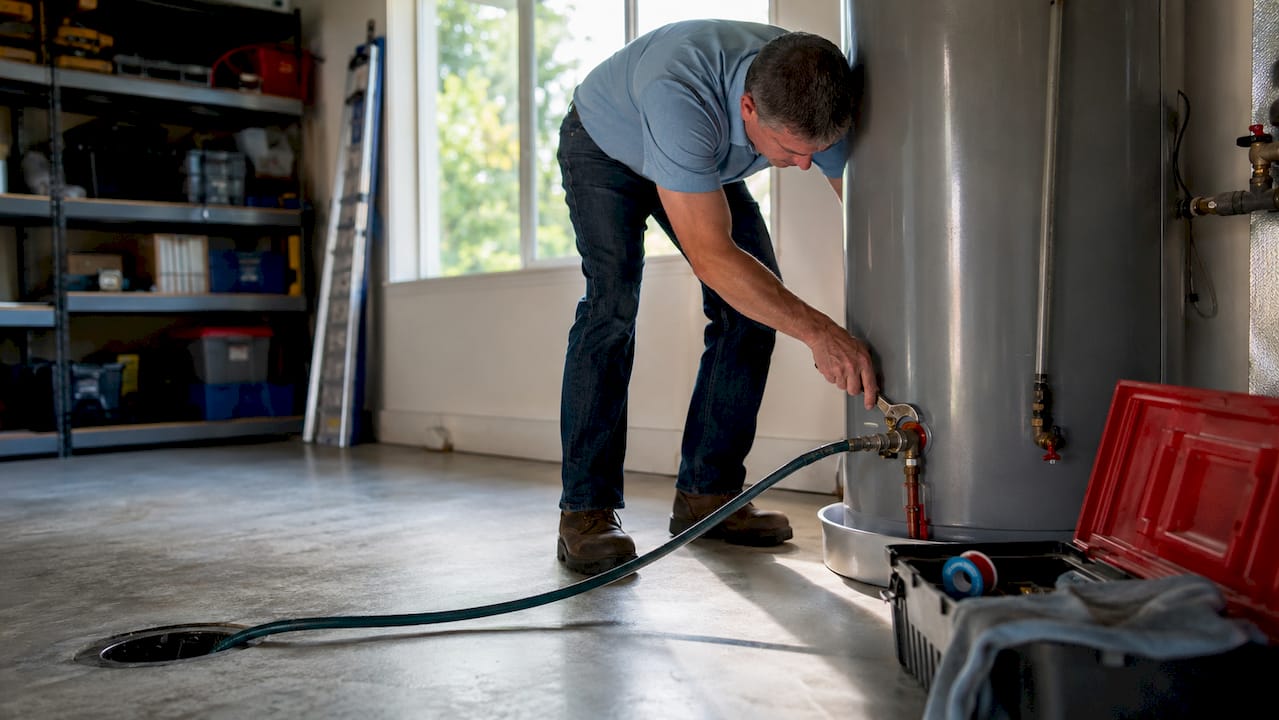
Flushing annually removes sediment buildup that causes corrosion and reduces efficiency. In Pittsburgh, where hard water is common, sediment accumulates faster than the national average. That layer of mineral deposits at the bottom of your tank forces the burner to work harder, raises your energy bill, and eventually cracks the tank lining.
Follow these steps in order:
- Turn off the power or gas supply to the heater using the method described in the prep section above.
- Close the cold water inlet valve at the top of the tank to stop new water from entering.
- Connect a garden hose to the drain valve near the bottom of the tank. Run the other end to a floor drain, a bucket, or outside.
- Open a hot water faucet somewhere in your home, such as a bathroom sink. This breaks the vacuum inside the tank and lets water flow freely.
- Open the drain valve by turning it counterclockwise. Water will begin flowing through the hose. Expect it to look brown or rusty at first. That is the sediment clearing out.
- Flush until the water runs clear. If sediment is heavy, briefly reopen the cold water inlet valve to stir up remaining deposits, then drain again.
- Close the drain valve, remove the hose, and reopen the cold water inlet valve. Let the tank refill completely before restoring power or gas.
Never restore power to an electric water heater before the tank is completely full. Running heating elements dry burns them out in minutes and voids most manufacturer warranties.
Pro Tip: If your drain valve leaks after closing, wrap the threads with plumber’s tape and tighten gently. A persistently leaking valve should be replaced. Ag-plumbing’s guide on flushing your water heater covers Pittsburgh-specific sediment issues in more detail.
Stuck drain valves are common on heaters that have never been flushed. If the valve will not open, do not force it with excessive torque. Call a professional. A cracked valve body turns a simple flush into a water damage emergency.
How do you inspect and replace key water heater components?
Two components determine whether your water heater survives long term: the anode rod and the temperature and pressure relief (T&P) valve. Most homeowners have never heard of either one.
Anode rod: your tank’s first line of defense
The anode rod is a metal rod, typically made of magnesium or aluminum, that hangs inside your tank and corrodes so the tank walls do not have to. Replacing it every 3–4 years prevents internal tank corrosion and can add 3–5 years to your heater’s lifespan. A replacement rod costs about $30. Ignoring it costs you the entire unit.
To inspect the rod, locate the hex head on top of the tank (sometimes hidden under a plastic cap). Use a 1 1/16-inch socket wrench to unscrew it. If the rod is less than half an inch thick or coated in white calcium deposits, replace it immediately. In Pittsburgh’s hard water conditions, rods often degrade faster than the standard 3-year mark.
- Magnesium rods work best in soft water areas
- Aluminum rods hold up better in hard water, making them a smarter choice for most Pittsburgh homes
- Combination rods (aluminum/zinc) reduce the sulfur smell some homeowners notice in their hot water
T&p valve: the safety component you cannot ignore
Testing the T&P valve every six months is non-negotiable. This valve releases excess pressure if the tank overheats. A failed T&P valve is not just an efficiency problem. It is a safety hazard that risks tank rupture.
To test it, place a bucket under the discharge pipe connected to the valve. Lift the lever briefly. Water should flow out and stop cleanly when you release it. If water keeps dripping after you release the lever, or if no water comes out at all, replace the valve. T&P valve replacement costs $20–$50 in parts and is a job most homeowners can handle. If you are unsure, common water heater problems like a stuck T&P valve are well-documented and worth reviewing before you start.
Pro Tip: Never operate a water heater with a T&P valve that has been removed or capped. This is one of the few DIY shortcuts that can result in a genuine explosion.
What settings and monthly checks optimize performance?
Getting your settings right is the simplest thing you can do for long-term reliability. Set your thermostat to 120°F and keep water pressure between 40–60 psi. Temperatures above 120°F accelerate mineral scaling and increase the risk of scalding. Pressure above 80 psi stresses tank fittings and shortens the life of every valve in the system.
Use this monthly inspection checklist to catch problems before they become repairs:
| What to Check | What to Look For |
|---|---|
| Base of the tank | Puddles, rust stains, or moisture |
| Inlet and outlet pipes | Corrosion, green buildup, or drips |
| Pilot light (gas units) | Steady blue flame, no yellow or orange |
| Pressure relief valve | No dripping between tests |
| Sounds during heating | Popping or rumbling signals sediment |
Monthly visual inspections between professional services significantly reduce emergency repairs. The sounds column in that table deserves special attention. A popping or rumbling noise during heating is sediment cracking under heat. It means your flush is overdue.
For Pittsburgh homeowners dealing with cold winters, pipe insulation is worth the small investment. Foam pipe insulation sleeves cost under $1 per foot at most hardware stores and reduce heat loss on the first few feet of hot water pipe leaving the tank. This small step lowers your energy bill and reduces the time it takes for hot water to reach your faucets.
When should you call a professional for water heater service?
Tasks involving gas lines, electrical components, and safety-critical valves require professional expertise. Attempting them without the right tools or training can cause leaks, electrical faults, or system failure. Knowing where the DIY line ends protects both your home and your wallet.
Call a licensed plumber for these situations:
- Gas line connections showing any signs of corrosion or smell
- Anode rod replacement when the hex head is seized and will not turn
- T&P valve replacement if you are unfamiliar with discharge pipe routing
- Combustion analysis on gas heaters to verify safe burner operation
- Any repair costing more than 50% of a new unit’s price, especially on heaters older than 10–15 years
That last point comes directly from Rheem’s repair vs. replace guidance. A unit older than 10–15 years with recurring problems is almost always cheaper to replace than repair. Keeping a service log with dates, parts replaced, and costs makes this calculation easy when the time comes.
Annual professional servicing catches problems that visual inspections miss, including combustion efficiency issues, hidden internal corrosion, and early-stage valve failures. Schedule your annual service in the fall before Pittsburgh’s heating season begins. Demand on local plumbers spikes in winter, and waiting until January means longer wait times and less scheduling flexibility.
Key takeaways
Consistent water heater upkeep, including annual flushing, biannual T&P valve testing, and anode rod replacement every 3–4 years, is the most cost-effective way to extend your unit’s lifespan and avoid emergency replacements.
| Point | Details |
|---|---|
| Flush annually | Remove sediment buildup that reduces efficiency and causes corrosion, especially in Pittsburgh’s hard water. |
| Replace the anode rod | Swap it every 3–4 years for about $30 to prevent internal corrosion and add years to tank life. |
| Test the T&P valve | Check it every six months and replace it immediately if it drips or fails to release water. |
| Set thermostat to 120°F | Keep pressure at 40–60 psi to reduce stress on tank fittings and lower scalding risk. |
| Know when to call a pro | Gas lines, seized components, and units older than 10–15 years need licensed professional attention. |
What i’ve learned after years of water heater calls in pittsburgh
Most of the emergency calls I see could have been prevented with a single annual flush and a quick look at the anode rod. Homeowners treat water heaters like appliances that run forever without attention, the way they treat a refrigerator. But a refrigerator does not sit in a basement filling up with mineral deposits from Pittsburgh’s water supply.
The hard water issue here is real and underappreciated. I have pulled anode rods out of three-year-old tanks that looked like they had been in service for a decade. That is not a product defect. That is local water chemistry doing exactly what it does. The fix is simple: check the rod more often, use an aluminum rod instead of magnesium, and flush every year without exception.
The other pattern I see constantly is homeowners who postpone maintenance until failures occur, then face emergency replacement costs on a weekend when labor rates are higher. Scheduled upkeep is not a cost. It is the cheapest insurance policy on your home’s plumbing system. A $30 anode rod and two hours of your time once a year is a far better deal than a $1,200 emergency replacement in February.
Think of your water heater the way you think about your car. You change the oil before the engine seizes, not after. The same logic applies here, and the stakes are just as real.
— Maayan
Ag-plumbing keeps pittsburgh water heaters running all year
Ag-plumbing has served Pittsburgh homeowners for 30 years, handling everything from routine annual inspections to full water heater replacements. The team at AG Heating, Cooling & Plumbing understands local water conditions and knows exactly what Pittsburgh tanks face every winter.
If your last professional service was more than a year ago, or if you have never had one, now is the right time to schedule. Ag-plumbing’s Pittsburgh plumbing services cover water heater maintenance, component replacement, and full system inspections. The team also handles water heater troubleshooting for homeowners dealing with inconsistent hot water, unusual noises, or visible corrosion. Protecting your investment starts with one call.
FAQ
How often should you service a water heater?
Tank-style water heaters need a professional inspection once a year and a DIY flush at the same interval. Tankless units also require annual descaling of the heat exchanger to maintain efficiency.
What is the most important water heater maintenance task?
Flushing the tank annually to remove sediment is the single most impactful task for tank-style heaters. In hard water areas like Pittsburgh, skipping this step accelerates corrosion and reduces heating efficiency faster than any other factor.
How do you know when to replace instead of repair a water heater?
Replace your unit when repair costs exceed 50% of a new unit’s price or when the heater is older than 10–15 years with recurring problems. Continuing to repair an aging unit past this point rarely makes financial sense.
Can you maintain a water heater yourself?
Yes. Flushing the tank, testing the T&P valve, and inspecting the anode rod are all tasks most homeowners can handle safely with basic tools. Gas line work, electrical repairs, and seized components require a licensed plumber.
Why does my water heater make popping sounds?
Popping or rumbling during heating is caused by sediment cracking under heat at the bottom of the tank. It signals that a flush is overdue and, if left unaddressed, can lead to water heater noise issues and premature tank failure.
Recommended
- Water Heaters: What Every Pittsburgh Homeowner Must Know – AG-Plumbing
- How to Troubleshoot Water Heater Problems at Home – AG-Plumbing
- How to clean water lines: Pittsburgh homeowner guide – AG-Plumbing
- Why flushing your water heater saves Pittsburgh homes money – AG-Plumbing
