
TL;DR:
- Regular pipe maintenance includes visual checks, controlling water pressure, and using safe cleaning methods. Seasonal tasks like winterizing pipes prevent damage from freezing, and professional inspections help detect hidden issues early. Proper care extends pipe lifespan and reduces costly repairs in the long run.
Pipe maintenance tips are the set of regular practices that keep your plumbing system free of leaks, clogs, and costly failures. The most effective home pipe upkeep combines routine visual checks, controlled water pressure, safe cleaning methods, and seasonal preparation. Ag-plumbing has served Pittsburgh, PA homeowners and property managers for 30 years, and the same problems appear repeatedly: ignored slow drains, skipped inspections, and pipes that freeze because no one winterized them. This guide covers every critical practice, from daily habits to professional services, so your plumbing stays reliable year after year.
1. What are the most effective routine pipe maintenance tips?
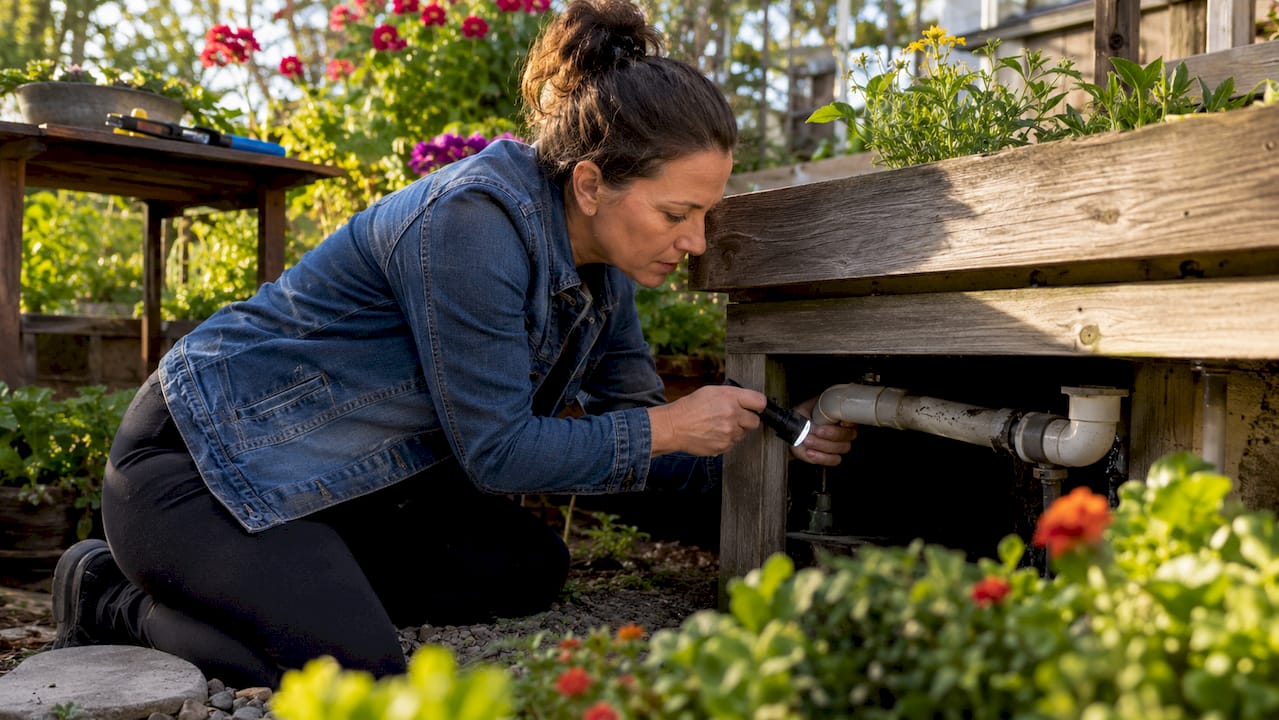
Preventative pipe care starts with looking at your pipes regularly. Walk through your home monthly and check under sinks, around toilets, and near the water heater for moisture, rust stains, or soft drywall. Catching a slow drip early costs far less than repairing water damage after months of unnoticed leaking.
Water pressure is the single most controllable factor in pipe longevity. Residential water pressure should stay between 40–60 PSI to avoid stressing joints and fixtures. Pressure consistently above 80 PSI accelerates pipe and fixture failure. A pressure reducing valve, available at most hardware stores, fixes this permanently.
What you pour down your drains matters just as much as pressure. Grease, coffee grounds, and “flushable” wipes all cause blockages. None of them break down the way manufacturers claim. Keep a small container near the stove to collect cooking grease and dispose of it in the trash.
- Install mesh drain strainers in every sink, tub, and shower to catch hair and debris before it enters the pipe.
- Never pour caustic chemical cleaners down older pipes. They corrode pipe walls over time.
- Run cold water for 30 seconds before and after using the garbage disposal to flush debris through.
- Check toilet flappers and fill valves every six months. A worn flapper wastes water silently.
Pro Tip: Use the water meter test to find hidden leaks. Turn off every fixture and appliance, record your meter reading, wait 20–30 minutes, then check the meter again. Any change means water is moving somewhere it should not be.
2. How should you manage seasonal pipe maintenance?
Seasonal plumbing maintenance advice is not optional in cold climates like Pittsburgh. Each season brings a specific set of risks, and addressing them on a schedule prevents the most expensive repairs.
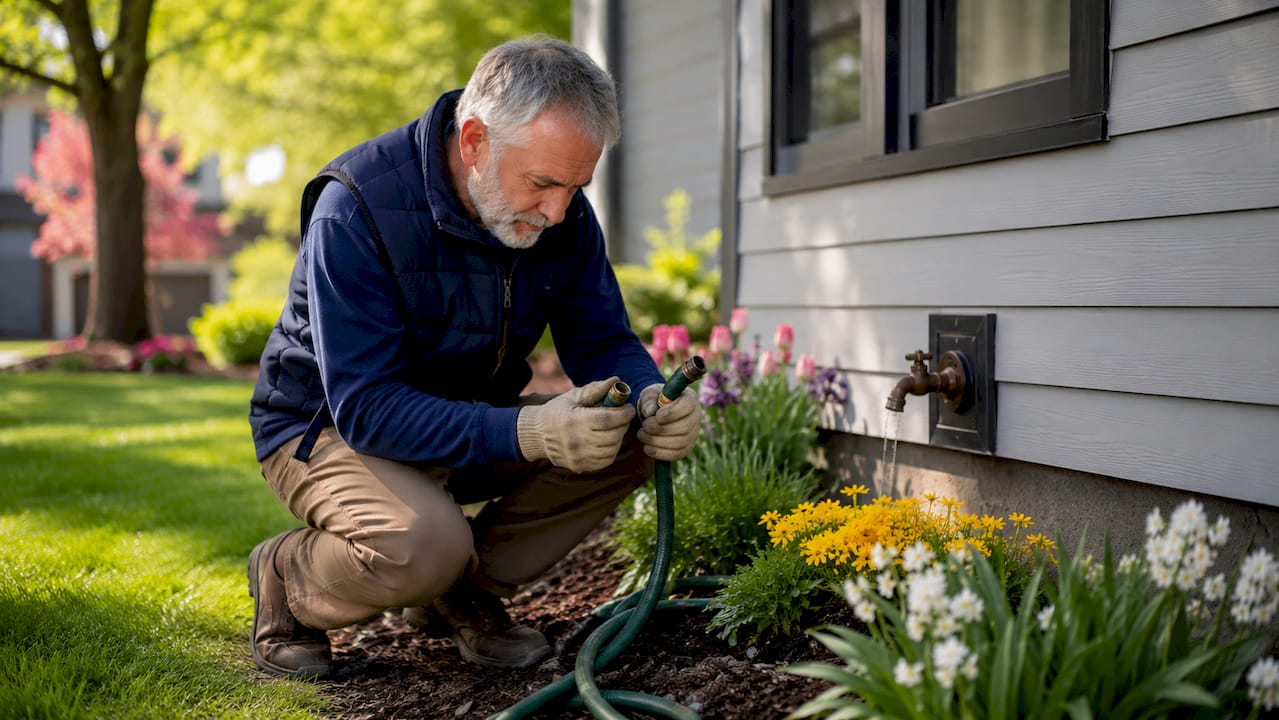
Winter preparation is the most critical seasonal task. Winterizing your pipes means disconnecting garden hoses, shutting off outdoor spigots from inside the house, and insulating any pipes in unheated spaces. Foam pipe sleeves and heat tape both work well for pipe insulation in crawl spaces, garages, and attics. Frozen pipes cause serious water damage and expensive repairs. Proactive winterization eliminates that risk.
Spring checks catch what winter left behind. Inspect outdoor spigots for cracks after the thaw. Test your sump pump before spring rains arrive by pouring a bucket of water into the pit. Clean debris from outdoor drain grates so runoff moves freely.
Annual water heater maintenance belongs on your fall checklist. Flushing sediment from the tank once a year prevents buildup that reduces efficiency and damages the tank lining. Replace the anode rod every 3–5 years. The anode rod is a metal rod inside the tank that attracts corrosive minerals, protecting the tank itself. Skipping this replacement means the tank corrodes instead.
- In october or november, disconnect all garden hoses and drain outdoor lines.
- Wrap exposed pipes in unheated spaces with foam sleeves or heat tape before the first freeze.
- Let faucets drip slowly during hard freezes to keep water moving through vulnerable pipes.
- In march or april, inspect outdoor spigots and test the sump pump.
- Each fall, flush the water heater tank and inspect the anode rod.
Pro Tip: During a cold snap, open cabinet doors under kitchen and bathroom sinks. This lets warm air from the room reach the pipes inside the cabinet wall, which are often the first to freeze.
3. When should you call a professional for pipe care?
DIY plumbing maintenance covers a lot of ground, but professional inspections catch what you cannot see. Schedule a professional plumbing inspection every 18–24 months. Repairs range from $100 for minor fixes to over $900 for major problems. Early detection through a professional visit consistently lands you in the lower range.
Professionals use two tools that no homeowner can replicate. Camera line inspections send a small camera through your pipes to identify corrosion, root intrusion, and blockages deep inside the system. Hydro jetting uses high-pressure water to clear buildup that a plumbing snake cannot reach. Both methods are standard practice for any serious sewer line issue.
| Task | DIY | Professional |
|---|---|---|
| Visual leak inspection | Yes, monthly | Included in full inspection |
| Water pressure check | Yes, with a gauge | Calibrated assessment |
| Drain cleaning | Strainers, hot water, enzymes | Hydro jetting, camera inspection |
| Pipe insulation | Yes, foam sleeves | Full assessment of risk areas |
| Corrosion detection | Surface only | Camera inspection, full system |
| Anode rod replacement | Possible with guidance | Recommended for accuracy |
One upgrade worth doing yourself: replace rubber washing machine hoses with braided stainless steel hoses. Rubber hoses degrade and burst without warning. Stainless steel braided hoses resist pressure spikes and last significantly longer.
4. Which pipe cleaning strategies are safest for long-term health?
Safe pipe cleaning strategies protect your pipes from the inside out. The wrong product does more damage than the clog it was meant to fix.
Caustic drain cleaners damage older pipes because their corrosive chemicals eat through pipe walls over repeated use. Many homeowners reach for these products first because they work fast. The short-term result is a clear drain. The long-term result is a weakened pipe that fails sooner than it should.
Enzymatic cleaners are the professional-recommended alternative. They use biological action, live bacteria and enzymes, to break down organic material like grease, hair, and soap scum. They work more slowly than caustic cleaners but cause zero damage to pipe walls. Use them monthly as a preventive measure rather than waiting for a clog to form.
Natural options also work well for light maintenance. Hot water combined with baking soda and vinegar loosens minor buildup and keeps drains smelling clean. Pour half a cup of baking soda down the drain, follow with half a cup of white vinegar, wait 15 minutes, then flush with hot water. This is not a fix for serious clogs, but it works well as a monthly routine.
- Use enzymatic cleaners monthly in kitchen and bathroom drains as a preventive measure.
- Install hair catchers in shower drains. Hair is the leading cause of bathroom drain clogs.
- For stubborn clogs, use a plumbing snake before reaching for any chemical product.
- Run hot water through drains for 60 seconds after washing dishes to push grease further down and out of the system.
- Never mix drain cleaning products. Chemical reactions between products can produce dangerous gases.
Key takeaways
Consistent pipe maintenance, combining monthly checks, seasonal preparation, safe cleaning, and professional inspections every 18–24 months, is the most reliable way to extend pipe lifespan and avoid expensive repairs.
| Point | Details |
|---|---|
| Control water pressure | Keep pressure between 40–60 PSI to prevent joint and fixture stress. |
| Use enzymatic cleaners | Replace caustic products with enzyme-based cleaners to protect pipe walls. |
| Winterize every year | Insulate exposed pipes and disconnect hoses before the first freeze. |
| Schedule pro inspections | Book a professional plumbing inspection every 18–24 months for hidden issues. |
| Maintain the water heater | Flush the tank annually and replace the anode rod every 3–5 years. |
What most homeowners get wrong about pipe maintenance
The single most overlooked step in home pipe upkeep is knowing where your main water shutoff valve is located. Knowing your shutoff valve location is a basic emergency skill, yet most homeowners have never tested it. When a pipe bursts, every second counts. If you have to search for the valve while water pours into your walls, the damage multiplies fast. Find it today, test it, and make sure everyone in the house knows where it is.
The second mistake I see constantly is treating a slow drain as a minor annoyance. A slow drain is a warning. It means partial blockage is already forming, and if you ignore it, you will eventually face a full clog or a backed-up sewer line. Address slow drains with enzymatic cleaners or a plumbing snake the moment you notice them. Do not wait.
The third mistake is skipping professional inspections because nothing seems wrong. Corrosion, root intrusion, and small leaks inside walls produce no obvious symptoms until they become major failures. A camera inspection every couple of years catches these problems when they are still cheap to fix. The cost of a professional visit is a fraction of what you will pay after a pipe fails silently for months.
Balancing DIY effort with professional help is not complicated. Do the monthly checks, the seasonal prep, and the safe cleaning yourself. Call a professional for anything inside the walls, underground, or involving the water heater beyond basic flushing. That division of labor keeps costs low and your system in good shape.
— Maayan
Keep your Pittsburgh plumbing in top shape with Ag-plumbing
Ag-plumbing brings 30 years of hands-on experience to homeowners and property managers across Pittsburgh, PA. Whether you need a full plumbing inspection and repair, a professional drain cleaning, or water heater service, the Ag-plumbing team handles it with the same care they bring to every job.
From drain cleaning services that clear stubborn blockages to sewer line repairs and seasonal winterization, Ag-plumbing covers every aspect of home pipe upkeep. Do not wait for a small problem to become a costly emergency. Contact Ag-plumbing today and schedule a professional inspection for your home.
FAQ
How often should I inspect my home’s pipes?
Perform a visual inspection monthly and schedule a professional plumbing inspection every 18–24 months. Professional inspections catch hidden corrosion and blockages that visual checks miss.
What water pressure is safe for residential pipes?
Residential water pressure should stay between 40–60 PSI. Pressure above 80 PSI causes accelerated damage to pipes and fixtures over time.
Are chemical drain cleaners safe to use?
Caustic chemical drain cleaners damage older pipes through repeated use. Enzymatic cleaners are the safer, professional-recommended alternative for regular drain maintenance.
How do I know if I have a hidden pipe leak?
Use the water meter test. Turn off all fixtures, record your meter reading, wait 20–30 minutes, and check the meter again. Any change indicates a hidden leak somewhere in the system.
When should I call a plumber instead of doing it myself?
Call a professional for anything inside walls, underground, or involving persistent slow drains that do not respond to enzymatic cleaners or a plumbing snake. Camera inspections and hydro jetting require professional equipment and training.
Recommended
- Smart Plumbing Tips Every Pittsburgh Homeowner Needs – AG-Plumbing
- Plumbing Maintenance Checklist: Prevent Costly Home Repairs – AG-Plumbing
- Cost-saving plumbing tips for Pittsburgh homeowners – AG-Plumbing
- Essential plumbing safety tips for Pittsburgh homeowners – AG-Plumbing
