
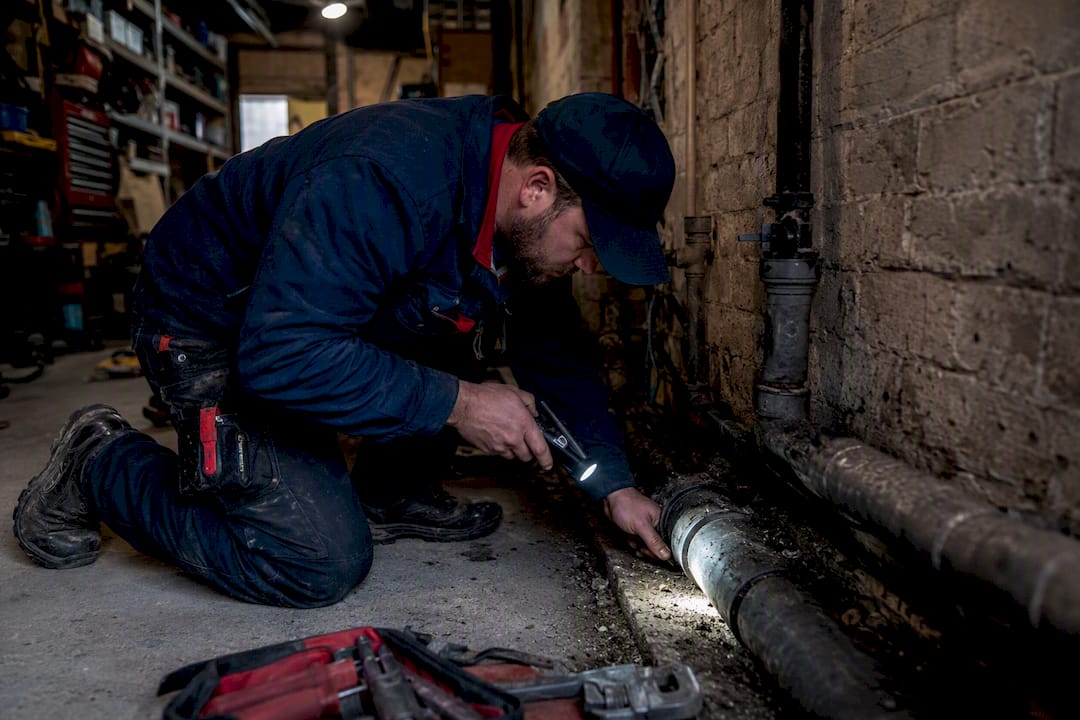
A home sewer system is the network of pipes that carries wastewater from your sinks, toilets, and drains to one of two endpoints: a municipal sewer main or an on-site septic system. If you don’t know which one serves your house, start here: check your water bill for a “sewer” line item (that means municipal), look for a septic tank lid or drainfield mound in your yard, or pull your property records at the county recorder’s office. The EPA and the National Environmental Health Association (NEHA) both maintain standard guidance on these systems, and most local plumbing codes echo their terminology.
Once you know your setup, take these steps:
- Locate your main cleanout, usually a capped pipe near the foundation or in the yard.
- Pull your property’s plat map or septic permit records from your local health department.
- Call a licensed plumber if you notice slow drains in more than one fixture at the same time.
Key Takeaways
Every home sewer system routes wastewater to either a municipal main or an on-site septic system, and knowing which one you have determines your maintenance responsibilities and repair costs.
| Point | Details |
|---|---|
| Identify your system first | Check your water bill, look for a septic tank lid or cleanout cap, or pull property records. |
| Match maintenance to system type | ATUs need annual certified inspections; gravity septic tanks need pumping every 2 to 5 years. |
| Know your terms | Learn the difference between the house drain, house sewer, and lateral to describe problems accurately. |
| Watch for multi-fixture symptoms | Gurgling, simultaneous slow drains, or a soggy lawn patch point to a main line or drainfield issue, not a simple clog. |
| Call a professional early | Ag-plumbing offers camera inspection, hydro jetting, and trenchless repair to catch problems before they become excavations. |
Table of Contents
- What Type of Home Sewer System Do You Have?
- What Are the Main Types of Septic Systems?
- What Do the Sewer System Terms Actually Mean?
- What Are the Warning Signs of a Sewer Problem?
- How Do You Locate Your Sewer Lateral or Septic Tank?
- How Often Should You Maintain a Sewer or Septic System?
- What Do Plumbers See Most Often in the Field?
- Get Your Sewer System Inspected Before It Becomes an Emergency
- Where to Find Official Guidance on Sewer and Septic Systems
- Sources
- FAQ
What Type of Home Sewer System Do You Have?
A significant share of U.S. households relies on an onsite septic system instead of a municipal connection, and the difference shapes everything about who’s responsible for repairs. A municipal sewer is a shared utility: your home connects to a public main, and the city or sewer authority treats the wastewater at a centralized plant. A septic system is private. Wastewater gets treated right on your property, and you own every part of it.
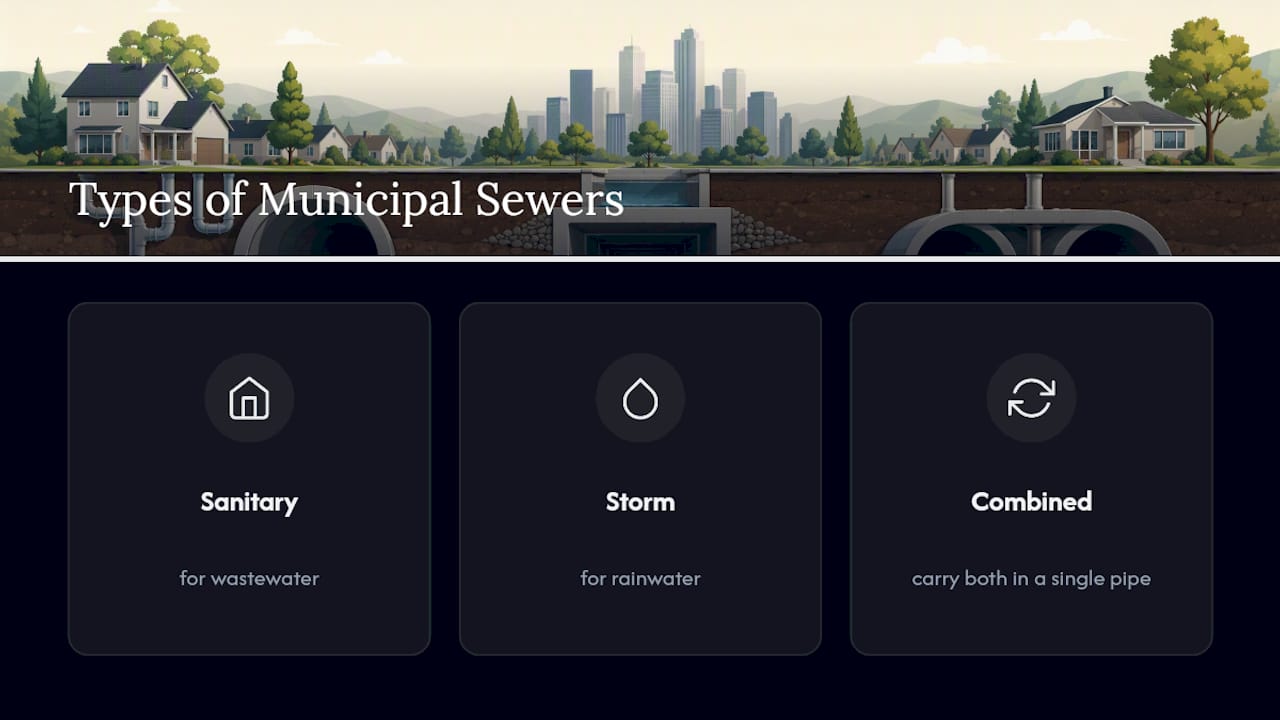
Municipal sewers themselves split into three types, according to Alexandria, VA’s public works department:
- Sanitary sewers carry only wastewater from household drains.
- Storm sewers carry only rainwater runoff.
- Combined sewers carry both in a single pipe, which is why some older cities restrict what you can flush or drain outdoors.
Homeowners typically own and maintain the lateral pipe connecting their house to the main, even though the municipality owns the main itself. With septic, you own and maintain the entire system, tank, drainfield, and all. That single fact explains why septic owners tend to budget more carefully for maintenance than sewer-connected homeowners do.
What Are the Main Types of Septic Systems?
If you’re on a septic system, the design your property uses depends almost entirely on soil, slope, and groundwater depth. The EPA’s official taxonomy covers the systems below, and the Washington State Department of Health adds useful detail on why each one exists.
- Conventional gravity system: A septic tank drains by gravity into a buried drainfield. This works where soil is deep, well-drained, and relatively flat. Maintenance mainly means periodic tank pumping and keeping heavy equipment off the drainfield.
- Pressure distribution system: A pump chamber doses wastewater evenly across the drainfield instead of relying on gravity alone. Useful on sites with uneven terrain. The pump and float switch need annual checks since they’re the parts most likely to fail.
- Mound system: Sand is built up above grade to create adequate treatment depth where native soil is shallow or bedrock sits too close to the surface. Mounds are sensitive to vehicle and foot traffic, so compacted soil on top of one is a real risk, not just cosmetic.
- Sand filter or recirculating system: Wastewater passes through a sand or fabric filter before dispersal, offering extra treatment where nearby wells or waterways need protection. These need filter media inspection every few years.
- Aerobic treatment unit (ATU): Adds oxygen to speed decomposition, producing cleaner effluent, often required on tight lots. Most states require ATUs to have certified annual inspections, not just periodic pumping. Skipping that inspection is one of the more common (and expensive) mistakes homeowners make.
- Drip distribution system: Uses buried tubing to apply small, controlled amounts of effluent, ideal for shallow soil or tricky lot shapes. It needs a pretreatment step and periodic flushing of the tubing network.
- Constructed wetland: Effluent flows through a built wetland cell before final dispersal, mimicking natural filtration. These fit properties with room to spare and interest in a lower-maintenance biological process.
- Cluster or community system: Serves multiple homes with a shared drainfield, common in denser rural subdivisions where individual lots are too small for standalone systems.
- Cesspools and straight pipes: Outdated and often illegal today. These pre-1970s designs, common in older housing stock, typically need full replacement rather than repair.
Pro Tip: If you’re not sure which system you have, look for a raised mound of soil (mound system), an electrical box near the yard (pump or ATU), or a fenced-off wet area (constructed wetland). A licensed inspector can confirm it in under an hour.
What Do the Sewer System Terms Actually Mean?
Knowing the vocabulary matters when you’re describing a problem to a plumber or reading an inspection report. Here’s the short list:
- House drain (building drain): The lowest interior horizontal pipe collecting wastewater inside the home.
- House sewer (building sewer): The pipe picking up where the house drain exits the foundation, continuing to the main or septic tank. Plumbing codes treat this transition point as a distinct zone, and it’s a common failure point because of shifting soil.
- Sewer lateral: The full pipe run from your foundation to the municipal main, typically sloped at about a quarter inch per foot.
- Cleanout: A capped access point for snaking or camera inspection, usually near the foundation or property line.
- Septic tank: The buried vessel where solids settle and partially decompose before liquid moves on.
- Drainfield: The soil area where treated effluent disperses and finishes filtering naturally.
- Pump chamber: Holds and doses effluent under pressure for systems that can’t rely on gravity alone.
- Vent stack: Roof-penetrating pipe that releases sewer gas and keeps drain traps working correctly.
Homeowners usually own the entire lateral, which means permitting and repair costs for that stretch land squarely on you, not the city.
What Are the Warning Signs of a Sewer Problem?
A single slow drain usually means a local clog. Gurgling in a fixture when you run water somewhere else, backups in more than one drain at once, or a suspiciously green, soggy patch over your drainfield are different stories entirely. These point to a main line or system-wide issue, not a one-off blockage.
If raw sewage is backing up into your home, act fast:
- Stop using all water immediately (toilets, sinks, washing machine, dishwasher).
- Avoid contact with the water. Sewage carries bacteria and viruses that pose real health risks.
- Shut off the fixture closest to the backup if you can do it safely.
- Call a licensed plumber right away. Don’t attempt to snake a main line yourself once sewage is standing in the house.
Watch for these signs that point specifically to a lateral or main-line problem:
- Multiple drains slow down or back up at the same time.
- Toilets gurgle when the washing machine drains.
- A patch of unusually lush or wet grass appears over the lateral or drainfield.
- Sewage odor lingers outdoors near the yard, not just indoors.
Sewage exposure isn’t a minor inconvenience. It can carry E. coli, hepatitis A, and parasites. Once you see standing wastewater indoors, this stops being a DIY job and becomes a call-a-professional situation, no exceptions.
Our guide to sewer line warning signs breaks down more subtle symptoms worth watching for before they become emergencies.
How Do You Locate Your Sewer Lateral or Septic Tank?
Finding your system’s key access points doesn’t require guesswork:
- Pull your property’s plat map, septic permit, or as-built drawing from the county or health department.
- Walk the yard looking for a round cleanout cap, usually within a few feet of the foundation or near the property line.
- Call 811 before any digging. It’s free, and it prevents you from hitting utility lines you didn’t know existed.
- If records are missing or unclear, hire a plumber for a camera inspection to trace the line.
Professional inspections use a few different methods depending on what’s suspected:
- Visual inspection of exposed cleanouts and vent stacks.
- Tank probing to locate a buried septic tank lid.
- CCTV camera inspection to trace pipe runs and spot damage.
- Dye testing to check whether a drainfield is failing.
A camera inspection is the right call whenever symptoms suggest a hidden problem. Root intrusion, pipe corrosion, offset joints, or a partial collapse all show up clearly on video, and that footage determines whether a trenchless repair or full excavation makes sense.
How Often Should You Maintain a Sewer or Septic System?
Routine maintenance is what separates a $300 pumping bill from a $15,000 emergency excavation. Septic tanks generally need pumping at intervals depending on household size and usage, per EPA guidance. Sewer-connected homes should schedule a CCTV check of the lateral every 5 to 10 years, sooner if the home has mature trees nearby or a lateral older than 40 years.
Costs vary by region and scope, but here’s the general shape:
- Camera inspections: a few hundred dollars for most residential laterals.
- Septic pumping: a few hundred dollars per visit, more for larger tanks.
- Trenchless lining or patch repairs: mid-range compared to full excavation.
- Full lateral replacement: the most expensive option, especially with landscaping or driveway restoration involved.
Clay and Orangeburg (tar paper) pipes, common before the 1970s, fail far more often than modern PVC or HDPE lines. If your home still has original clay pipe and you’re seeing recurring clogs, that’s usually a replacement conversation, not another round of snaking. Our sewer line repair guide walks through trenchless versus excavation tradeoffs in more depth.
What Do Plumbers See Most Often in the Field?
Most sewer emergencies trace back to one thing: skipped inspections. Homeowners wait until a backup happens instead of scheduling a camera check every few years, and by then, root intrusion or a collapsed joint has turned a $400 fix into a full excavation. The single best habit we recommend is an annual inspection, paired with pumping on schedule if you’re on septic. AG Plumbing has spent 30 years watching which small habits actually prevent big bills, and inspection frequency tops that list every time.
Get Your Sewer System Inspected Before It Becomes an Emergency
Reading about warning signs is useful, but a camera can tell you in an hour what guesswork can’t. Ag-plumbing handles the full range of sewer work Pittsburgh homeowners need: locating and camera-inspecting laterals, hydro jetting to clear grease and root buildup, cleanout installation, trenchless lining, full replacement, and coordination for septic pumping when a system needs it.
A typical service call starts with a diagnostic inspection to confirm what’s actually happening underground, followed by a discussion of repair options, whether that’s a targeted patch, hydro jetting for a stubborn blockage, or trenchless lining if the pipe itself has failed. We handle permit requirements and site protection so you’re not left guessing about what a repair crew needs from you. If you’re seeing slow drains, sewage odor, or you simply don’t know the condition of a lateral that might be decades old, get it checked before a minor issue turns into a flooded basement. Schedule a sewer repair inspection and get a straight answer about what your system needs.
Where to Find Official Guidance on Sewer and Septic Systems
- EPA’s septic systems overview covers maintenance basics and pumping intervals.
- EPA’s septic system types page is the standard reference for system taxonomy.
- Washington State Department of Health explains soil and site suitability for each system type.
- NEHA’s onsite wastewater systems guide offers technical detail for permitting and design decisions.
Sources
- Septic Systems Overview — EPA
- Types of septic systems — EPA
- Types of systems — Washington State Department of Health
- Types of sewer systems — Alexandria, VA
- Homesewer
FAQ
What Are the Three Types of Sewer Systems?
Municipal sewers fall into three categories: sanitary sewers for wastewater, storm sewers for rainwater, and combined sewers that carry both in a single pipe.
What Is a Home Sewer System Called?
It’s typically called a building sewer or sewer lateral, the pipe running from your home’s foundation to either the municipal main or your septic system.
What Is the Difference Between a House Drain and a House Sewer?
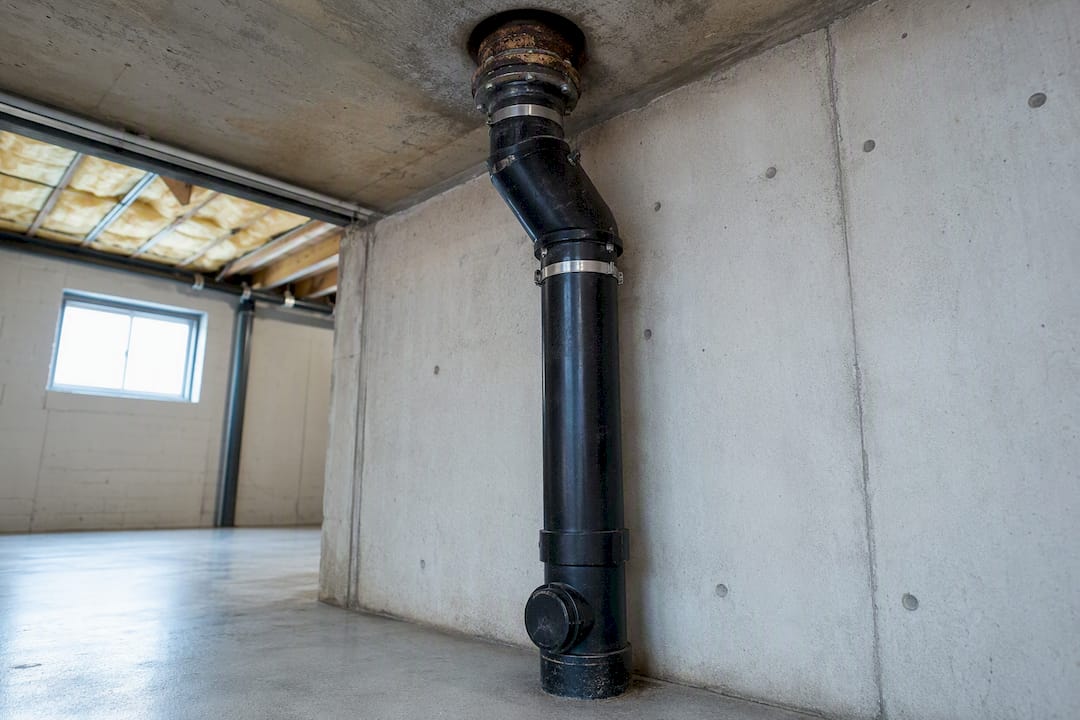
The house drain is the interior horizontal pipe collecting wastewater inside the home, while the house sewer picks up where that pipe exits the foundation and continues underground to the main or tank.
What Is the Main Difference Between a Septic System and a Sewer System?
A sewer system sends wastewater to a shared municipal treatment plant, while a septic system treats wastewater privately on your own property using a tank and drainfield.
How Do I Know If I Need a Sewer Camera Inspection?
If you have recurring clogs, multiple slow drains, or an older clay pipe lateral, a camera inspection is the most reliable way to see what’s actually happening underground before deciding on repairs.
Recommended
- Sewer Line Warning Signs Every Homeowner Should Know – AG-Plumbing
- Sanitary drainage explained: A homeowner’s guide to reliability – AG-Plumbing
- Clear Sewer Line Blockages: 2026 Homeowner’s Guide – AG-Plumbing
- Smart Plumbing Tips Every Pittsburgh Homeowner Needs – AG-Plumbing
