
TL;DR:
- Plumbing traps create a water barrier preventing sewer gases from entering homes.
- Regular maintenance, like running water and avoiding grease buildup, ensures trap effectiveness.
- Older Pittsburgh homes often have outdated trap types requiring inspection and possible replacement.
Most Pittsburgh homeowners never think twice about what happens below the drain. You turn on the faucet, water disappears, and life moves on. But there’s a small, curved pipe doing a big job every single day: the plumbing trap. Without it, your home would smell like a sewer, and dangerous gases could seep into your living spaces. Understanding how traps work, which types you have, and how to maintain them is one of the most practical things you can do to protect your property and your family’s health.
Table of Contents
- Understanding plumbing traps: What they are and why they matter
- Typical plumbing trap types found in Pittsburgh homes
- How plumbing traps work: The science behind water seals
- Plumbing trap maintenance: Preventing odors, backups, and emergencies
- What most homeowners miss about plumbing traps
- Get expert help with your plumbing traps in Pittsburgh
- Frequently asked questions
Key Takeaways
| Point | Details |
|---|---|
| Traps prevent odors | Plumbing traps form a water seal that blocks foul gases from entering your home. |
| Seal depth matters | A 2-4 inch water seal is ideal for effective protection and trap function. |
| Maintenance is essential | Regular checks and maintenance keep traps working and prevent expensive emergencies. |
| Basement traps need extra care | Basement and floor drains require priming or routine use to avoid odor problems. |
| Professional help available | Local plumbers offer inspection and cleaning services to maintain trap efficiency. |
Understanding plumbing traps: What they are and why they matter
A plumbing trap is a curved section of pipe installed beneath every drain-connected fixture in your home. Its job is simple but critical. It holds a small amount of standing water at all times, and that water creates a physical barrier between your living space and the sewer system. Without this barrier, sewer gases like methane and hydrogen sulfide would travel freely up through your drains and into your rooms.
Plumbing traps prevent sewer gases and odors by holding a water seal. That seal is the trap’s entire purpose. It’s not about catching debris, though traps do catch some. It’s about keeping your home’s air clean and safe.
If you’re new to plumbing basics, understanding the trap is the best place to start because it connects to every fixture in your home.
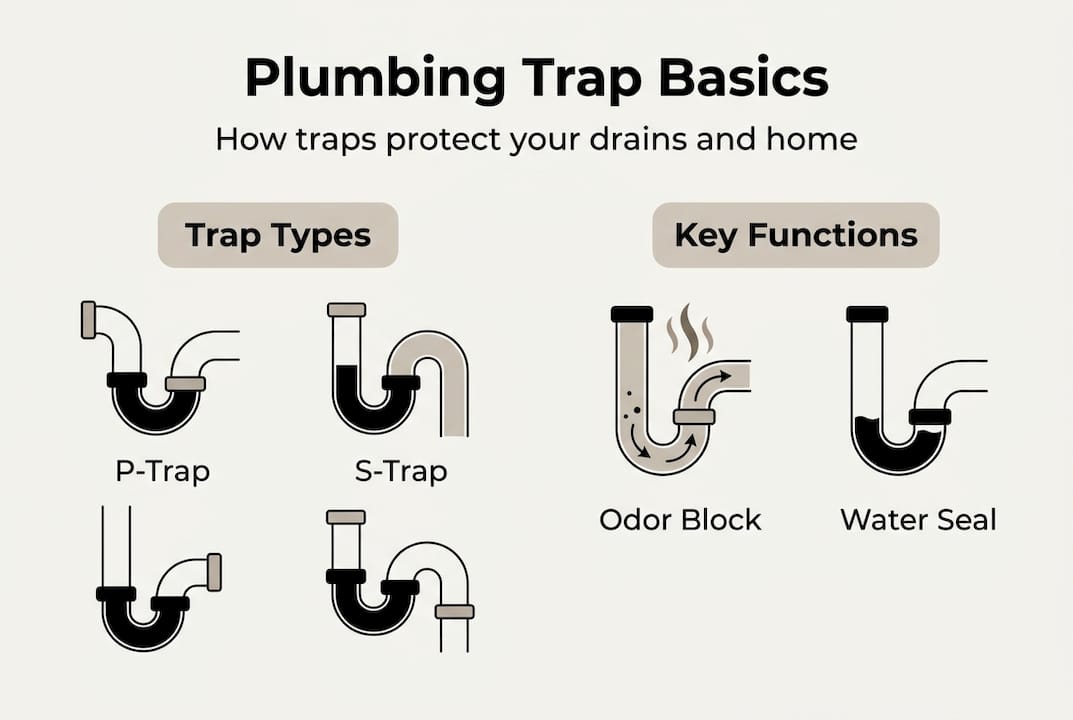
Here’s a quick look at the most common trap types:
| Trap type | Common location | Key feature | Efficiency |
|---|---|---|---|
| P-trap | Sinks, showers | U-shape with horizontal outlet | High; meets modern code |
| S-trap | Older homes | S-shape, vertical outlet | Low; prone to siphonage |
| Drum trap | Older bathrooms | Cylindrical, removable lid | Moderate; hard to clean |
| Bottle trap | Pedestal sinks | Compact, decorative | Moderate; limited flow |
| Floor drain trap | Basements, garages | Flat, wide basin | High with primer |
Each trap type has its strengths and weaknesses. The P-trap is the gold standard in modern plumbing because it maintains a reliable seal and meets current building codes. The S-trap, common in older Pittsburgh homes, is a problem because it can lose its seal through self-siphonage. The drum trap is bulky and hard to service, but you’ll still find it in homes built before the 1970s.
- P-traps are the most reliable and code-compliant option
- S-traps are outdated and can lose their seal easily
- Drum traps require more effort to clean and inspect
- Floor drain traps need trap primers to stay functional
- Bottle traps are decorative but can restrict flow in high-use sinks
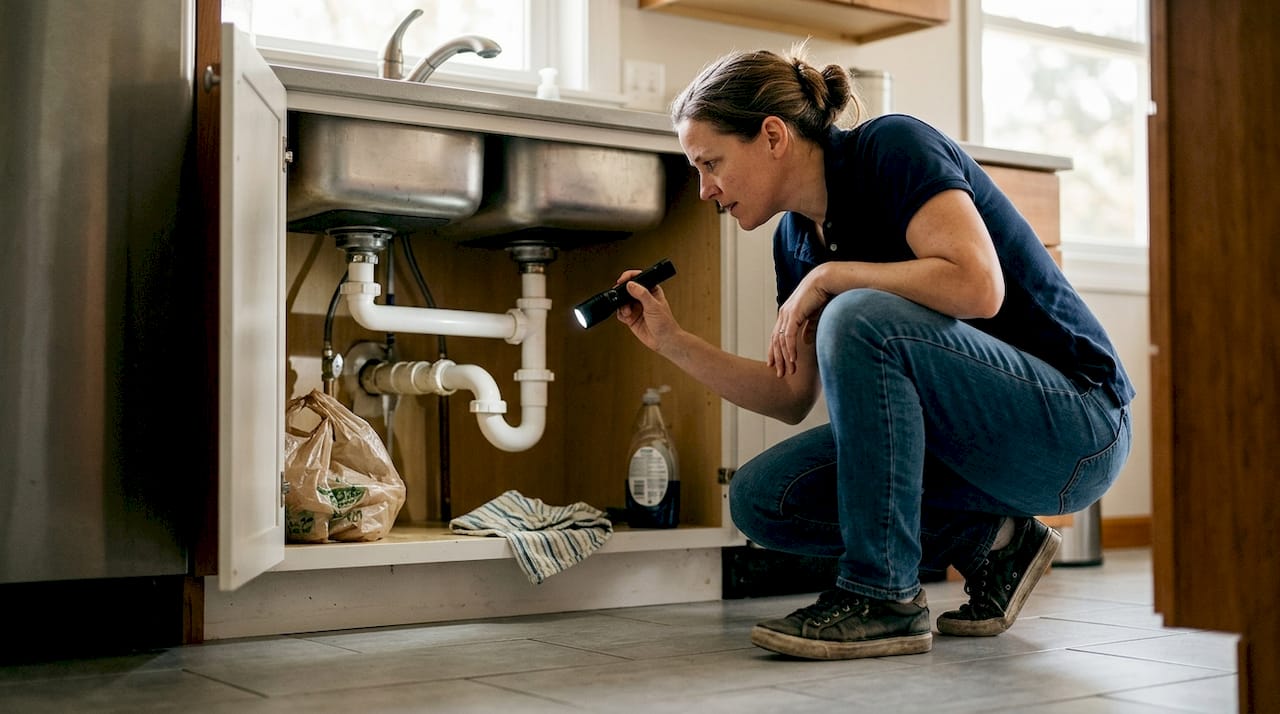
Pro Tip: To check your trap’s water seal, look under the sink with a flashlight. If the curved section looks dry or you can see light through it, the seal is gone and odors will follow. A quick run of the faucet for 30 seconds restores the seal immediately.
Knowing your trap type also tells you what kind of maintenance to expect. The trap seal standards recommend a water depth of 2 to 4 inches for proper odor blocking. Less than that, and the barrier breaks down.
Typical plumbing trap types found in Pittsburgh homes
Pittsburgh’s housing stock is older than most American cities. Many homes were built between the 1920s and 1960s, which means the plumbing reflects that era. You’ll find a mix of P-traps in updated bathrooms, S-traps in original kitchens, and drum traps in older tubs. Each one behaves differently and demands a different maintenance approach.
In kitchens, grease is the enemy. Kitchen sink traps collect cooking fats, soap, and food particles faster than any other fixture. Multi-fixture traps need grease interceptors to prevent buildup, and S-traps risk seal loss via siphonage, making them a double problem in older Pittsburgh kitchens.
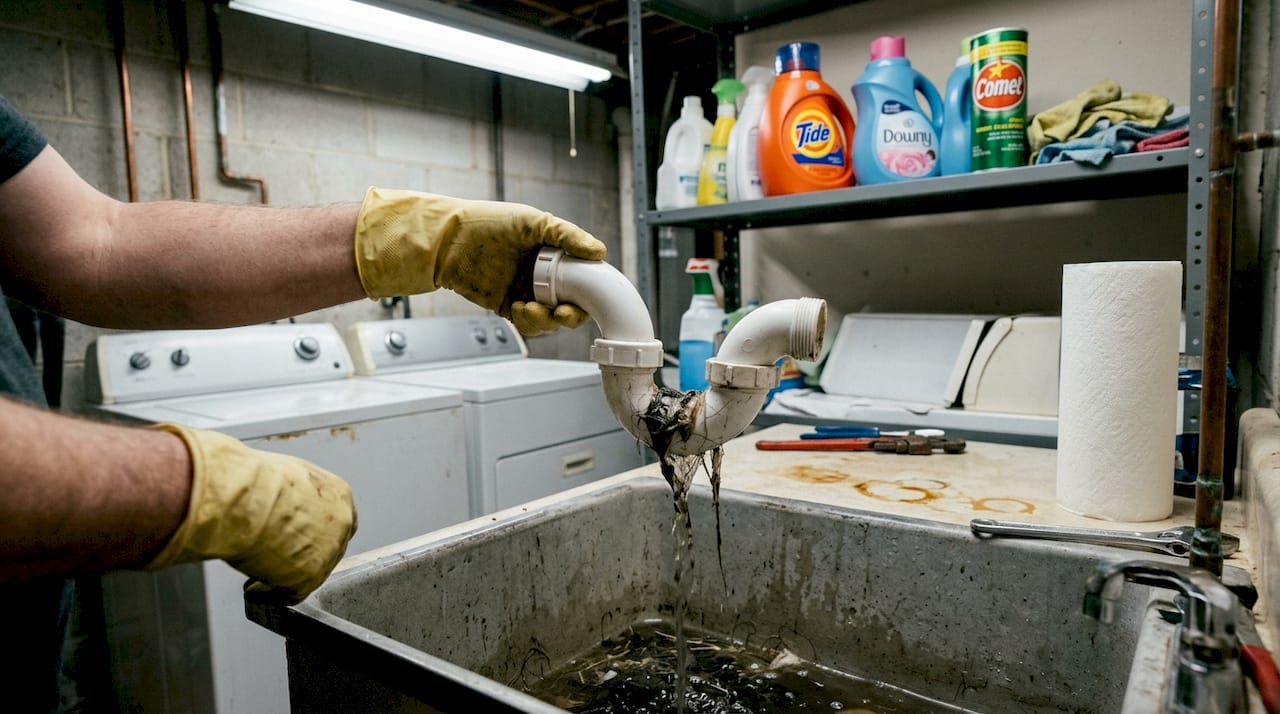
Basement floor drains are a different challenge entirely. These drains often go weeks or months without water running through them. When that happens, the water seal evaporates and the trap fails silently. A trap primer, which is a small device that automatically feeds water into the trap, solves this problem. Without one, your basement drain becomes an open pipe to the sewer.
The seal depth standard of 2 to 4 inches applies to all trap types. Below that threshold, odors break through.
| Fixture | Trap type | Risk of seal loss | Upkeep tip |
|---|---|---|---|
| Kitchen sink | P-trap | Medium (grease buildup) | Monthly hot water flush |
| Bathroom sink | P-trap or bottle trap | Low | Inspect every 6 months |
| Bathtub | Drum trap or P-trap | Medium | Check for slow drainage |
| Basement floor | Floor drain trap | High (evaporation) | Install trap primer |
| Laundry drain | P-trap | Medium (lint buildup) | Clean lint screen regularly |
Signs your trap type may need special care:
- A persistent musty smell near a floor drain almost always means a dry trap
- Slow drainage in a kitchen sink often points to grease buildup in the trap
- Gurgling sounds after flushing suggest a venting or siphonage issue
- Visible rust or corrosion on older drum traps means replacement is overdue
- Water stains under a sink cabinet can indicate a leaking trap connection
Exploring the different plumbing services types available in Pittsburgh helps you understand when a trap issue needs professional attention. And keeping a maintenance checklist for each fixture in your home makes it easier to catch problems before they escalate.
How plumbing traps work: The science behind water seals
The water seal inside a trap works like a plug. Sewer gases push upward through the drain pipe, but the standing water blocks their path. As long as that water stays in place, your home stays protected. The moment it disappears, the barrier is gone.
Three main forces can break a trap seal:
- Evaporation: In fixtures that go unused for weeks, the standing water simply dries up. This is most common in guest bathrooms, vacation homes, and basement floor drains.
- Siphonage: When water drains too quickly or the vent pipe is blocked, suction pulls the water out of the trap. S-traps are especially vulnerable because their shape encourages this effect.
- Back pressure: A blocked or poorly vented drain system can push air back through the trap, forcing the water out from the other direction.
The evaporation, siphonage, and back pressure are the three main causes of trap seal loss, and each one requires a different fix.
“Self-siphonage remains the S-trap’s main flaw, making it unsuitable for modern plumbing installations regardless of how well it’s maintained.”
The seal depth of 2 to 4 inches is the standard that ensures best performance across all trap types. Shallower seals evaporate faster and offer less resistance to back pressure.
For floor drains, restoring a dry seal is straightforward. Pour a quart of water into the drain slowly. If the drain smells even after that, the trap may be cracked or the drain line may be partially blocked. At that point, you’ll want to review some troubleshooting steps before deciding on a repair.
Venting is closely tied to trap performance. Every trap needs a vent pipe that allows air into the drain system. Without it, draining water creates negative pressure that siphons the trap dry. If you notice gurgling in multiple fixtures at once, a blocked vent stack is often the cause. That’s one of the more common plumbing repair issues we see in Pittsburgh homes with older plumbing stacks.
Understanding these causes of trap failure puts you ahead of most homeowners who only call a plumber after the smell has already taken over a room.
Plumbing trap maintenance: Preventing odors, backups, and emergencies
Maintaining your traps doesn’t require special tools or plumbing knowledge. It requires consistency. Most trap failures happen because a fixture sits unused long enough for the water seal to evaporate. The fix is as simple as running water.
Here’s a practical routine for each area of your home:
Kitchen: Run hot water for 30 seconds after washing dishes to flush grease through the trap. Avoid pouring cooking oil directly down the drain. Once a month, pour boiling water slowly down the sink to soften any grease buildup inside the trap.
Bathrooms: These traps rarely dry out because they’re used daily. Focus on checking for slow drainage, which signals a partial clog forming in the trap. Hair and soap scum are the usual culprits.
Basement and floor drains: Dry traps in rarely used drains trigger odors, and trap primers reduce this risk significantly. If your basement drain doesn’t have a primer, add running water to your monthly checklist. Pour about a quart of water into every floor drain once a month.
Early warning signs to watch for:
- A sulfur or rotten egg smell near any drain
- Water draining slower than usual in a sink or tub
- Gurgling sounds coming from a drain after another fixture is used
- Visible moisture or water stains under sink cabinets
- A drain that bubbles when you run water nearby
Pro Tip: For minor clogs in a P-trap, mix equal parts white vinegar and hot water and pour it slowly down the drain. Wait 15 minutes, then flush with hot water. This breaks down soap and light grease without disturbing the water seal or damaging the pipe.
For anything beyond a minor clog, check out how to snake a drain as a DIY option, or review repair indicators to know when it’s time to call a professional. Keeping up with your prevent costly repairs routine is the single best investment you can make in your plumbing system.
What most homeowners miss about plumbing traps
After 30 years of working on Pittsburgh plumbing, we’ve seen the same pattern repeat itself. Homeowners call us about a sewer smell or a backed-up drain, and the root cause is almost never a defective trap. It’s a neglected one.
The hard truth is that trap failures are almost entirely preventable. The design of a P-trap is so reliable that it rarely fails on its own. What fails is the routine. A guest bathroom goes unused for three months. A basement drain gets forgotten. A seasonal rental property sits empty over winter. The trap dries out, the seal breaks, and suddenly there’s a gas problem that feels urgent.
Older Pittsburgh homes with original plumbing are especially vulnerable. Drum traps and S-traps that were never updated can’t be maintained the same way modern P-traps can. If your home still has these, a trap primer retrofit or a full trap replacement is worth the investment. Reviewing common repair issues overview can help you understand the scope of what’s involved. One skipped maintenance step can turn into a costly repair, and a solid maintenance checklist is what separates proactive homeowners from reactive ones.
Get expert help with your plumbing traps in Pittsburgh
If you’ve been ignoring your floor drains or haven’t thought about your traps in years, now is the right time to act. A professional inspection can identify dry seals, outdated trap types, and early signs of blockage before they become expensive problems.
At AG Heating, Cooling & Plumbing, our team has spent 30 years keeping Pittsburgh homes safe and odor-free. We offer plumbing repair services for everything from trap replacements to full drain system overhauls. Our drain cleaning service targets grease, buildup, and blockages that DIY methods can’t reach. Whether you manage a single property or a portfolio of rentals, our local plumbing services are built around your schedule and your budget. Reach out today and let us handle the maintenance so you don’t have to.
Frequently asked questions
How do I know if my plumbing trap is failing?
Dry traps, slow drainage, odor, and gurgling are the key signs of a failing trap. Inspect any fixture that smells or drains slowly for a dry or clogged trap first.
What’s the right depth for a water seal in a plumbing trap?
Most experts recommend a 2 to 4 inch seal for reliable odor prevention and consistent trap function across all fixture types.
Are S-traps illegal or unsafe in Pittsburgh homes?
S-traps are not strictly illegal, but self-siphonage is their main flaw and modern plumbing standards strongly discourage their use in new or updated installations.
How can I prevent my basement drains from emitting bad odors?
Dry traps in infrequently used drains cause most basement odors. Run water monthly into every floor drain, or install a trap primer to keep the seal intact automatically.
Can I clean a trap by myself, or do I need a plumber?
DIY methods are safe for minor clogs using vinegar and hot water, but persistent blockages or recurring odors need professional attention to avoid damaging the trap or the drain line.
Recommended
- What is a plumbing snake? Clear tough clogs fast – AG-Plumbing
- How to snake a drain: DIY guide for Pittsburgh homeowners – AG-Plumbing
- Step by step drain cleaning guide for PA homeowners – AG-Plumbing
- Clear Sewer Line Blockages: 2026 Homeowner’s Guide – AG-Plumbing
