
Fixing leaks discovered during plumbing inspections can save homeowners over $700 annually on water and energy bills. Many Pennsylvania homeowners remain unsure about when plumbing inspections are necessary and what these evaluations actually involve. This guide explains why inspections are crucial for safety, compliance, and significant cost savings, helping you protect your home and your wallet.
Table of Contents
- Introduction To Plumbing Inspections
- Pennsylvania Plumbing Inspection Regulations
- What A Plumbing Inspection Covers
- Importance Of Plumbing Inspections For Property Maintenance
- Role Of Plumbing Inspections In Health And Safety
- Common Misconceptions About Plumbing Inspections
- Consequences Of Skipping Plumbing Inspections
- Plumbing Inspections And Property Resale Compliance
- Reliable Plumbing Inspection Services In Pennsylvania
- Frequently Asked Questions About Plumbing Inspections In Pennsylvania
Key takeaways
| Point | Details |
|---|---|
| Regular inspections prevent costly damage | Professional evaluations detect leaks and code violations before they become expensive emergencies |
| Pennsylvania requires permits for most plumbing work | Licensed plumbers must oversee installations and alterations to ensure code compliance |
| Inspections protect health and safety | Professional checks prevent contamination risks and ensure safe drinking water |
| Property sales require plumbing inspections | Certificates of Transfer often mandate plumbing checks to verify code compliance |
| Skipping inspections risks legal and financial trouble | Undetected issues can cost up to $10,000 per incident in repairs |
Introduction to plumbing inspections
Plumbing inspections are professional evaluations of your home’s plumbing system conducted to ensure safety, functionality, and code compliance. These thorough assessments verify that installation, repair, or replacement work meets Pennsylvania’s established standards. Understanding why plumbing inspections matter helps homeowners make informed decisions about property maintenance.
Inspections serve as essential safeguards for detecting leaks, identifying faulty materials, and catching code violations before they escalate into serious problems. Pennsylvania’s Uniform Construction Code mandates plumbing inspections for residential construction projects to ensure compliance with the 2018 International Plumbing Code and state technical standards. This regulatory framework applies to new residential plumbing systems up to three stories.
Homeowners benefit from plumbing inspections in several critical ways:
- Safe drinking water through contamination prevention and proper backflow devices
- Protection against water damage that could compromise structural integrity
- Legal compliance with local and state building codes
- Early detection of problems that would otherwise require expensive emergency repairs
- Peace of mind knowing your plumbing system meets professional standards
The Pennsylvania Uniform Construction Code establishes clear guidelines for when inspections are required and what standards must be met. Familiarity with these requirements helps you navigate renovation projects and routine maintenance with confidence.
Pennsylvania plumbing inspection regulations
Pennsylvania’s legal framework for plumbing inspections combines state codes with local enforcement to protect homeowners and communities. The PA Uniform Construction Code mandates inspections for residential plumbing projects, ensuring every installation meets safety and performance standards. Understanding inspection frequency and triggers in PA helps you plan projects appropriately.
Licensed master plumbers must oversee plumbing work and ensure permits are obtained and inspections scheduled according to municipal regulations. This requirement protects homeowners from substandard work and ensures accountability. Only qualified professionals can pull permits for installation, alteration, or major repair projects.
The inspection process in Pennsylvania follows a structured timeline:
- Schedule inspections 3 to 5 business days in advance with your local building department
- Underground inspection occurs before covering pipes beneath slabs or in trenches
- Rough-in inspection happens before wall coverings are installed to verify pipe placement and connections
- Final inspection takes place upon completion to verify the entire system functions properly
Plumbing inspections in Pennsylvania require scheduling multiple inspection phases including rough-in inspection before wall covering and final inspection upon completion of plumbing system installation. Missing any phase can result in failed inspections and costly rework.
Minor repairs like faucet replacement often fall outside permit requirements, but major changes demand both permits and inspections. The distinction matters because unpermitted work can create legal complications during property sales and insurance claims. Philadelphia plumbing permit requirements provide specific guidance on what constitutes minor versus major work in urban areas.
What a plumbing inspection covers
Professional plumbing inspections examine multiple components to verify your system’s integrity and compliance. Inspectors assess pipes, fixtures, drains, water heaters, and backflow prevention devices during thorough evaluations. Each element receives careful scrutiny to catch potential problems before they cause damage.
Typical plumbing inspection points include checking for leaks, verifying pipe installations and materials, inspecting fixtures, and ensuring backflow prevention measures are in place. Inspectors verify that all materials meet 2018 International Plumbing Code standards, protecting your home from substandard components that could fail prematurely.
Key inspection criteria include:
- Leak detection throughout the entire system including joints and connections
- Pipe material verification to ensure approved materials for specific applications
- Fixture compliance checking proper installation and venting
- Backflow prevention device testing to protect drinking water quality
- Drainage system evaluation to prevent clogs and ensure proper flow
- Water heater safety checks including temperature and pressure relief valves
| Material | Primary Use | Inspection Focus |
|---|---|---|
| Copper | Supply lines | Joint integrity, corrosion |
| PEX | Supply lines | Proper fittings, support |
| PVC | Drain/waste/vent | Slope, connections, venting |
| Cast iron | Main drains | Deterioration, joint seals |
Understanding common inspection findings helps you anticipate potential issues in your home. Inspectors use standardized inspection checklists to ensure consistent evaluations across different properties and jurisdictions.
Pro Tip: Schedule inspections early in renovation projects to catch code violations or installation issues before walls are closed. This timing prevents expensive demolition and rework later.
Importance of plumbing inspections for property maintenance
Regular plumbing inspections deliver substantial financial benefits through early problem detection and prevention. Inspections help detect leaks early, preventing water waste and costly home damage such as mold, structural decay, and deterioration of fixtures. Finding these issues before they escalate saves homeowners thousands in emergency repairs.
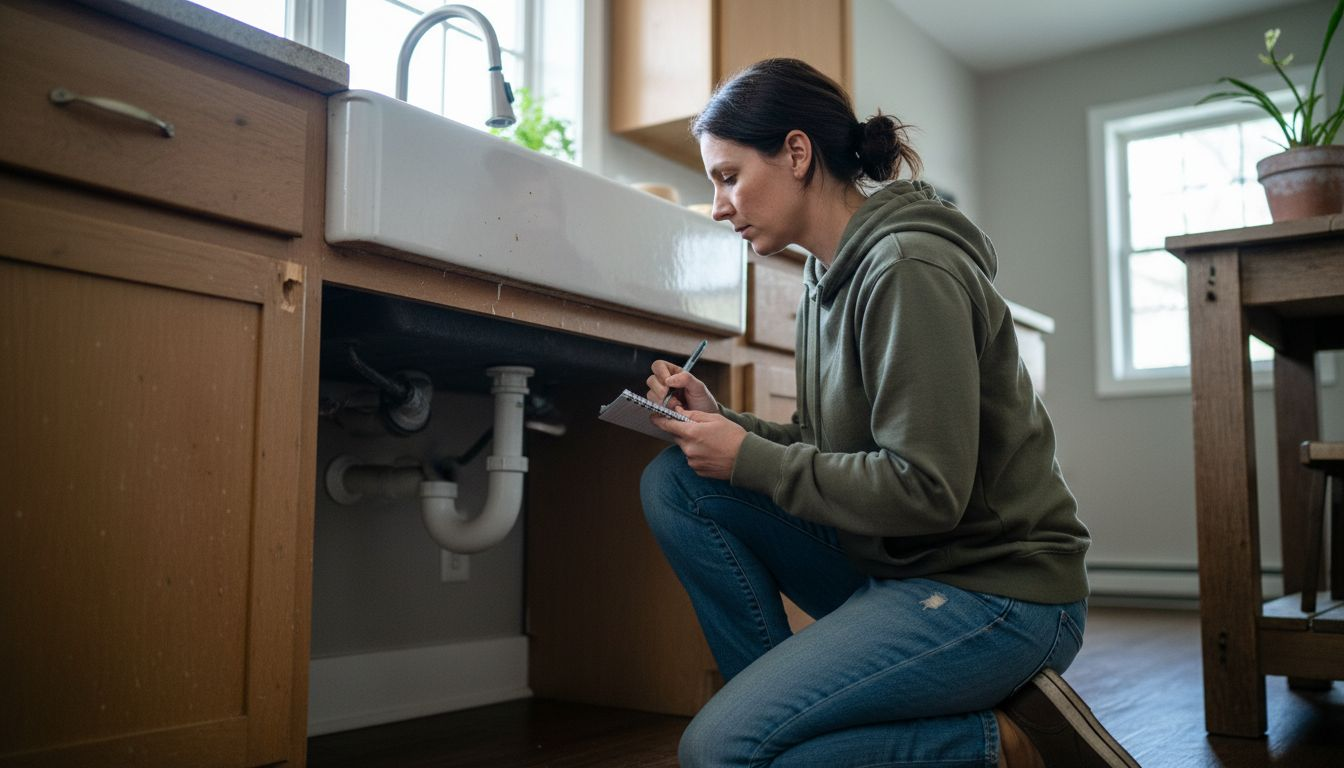
A typical household leak wastes more than 10,000 gallons annually, but early detection through inspections can prevent waste of 50,000 gallons or more in severe cases. The $700+ annual savings from fixing discovered leaks comes from reduced water bills and lower energy costs for heating wasted water. These savings compound over time, making inspections a smart investment.
Inspections help avoid major damage scenarios:
- Mold growth from hidden moisture behind walls or under floors
- Structural decay when water penetrates wood framing or foundations
- Fixture failure leading to flooding and property damage
- Pipe corrosion causing contamination or complete system failure
- Water heater leaks damaging floors and nearby belongings
Professional evaluations extend your plumbing system’s lifespan by identifying small problems before they stress other components. A minor leak left unaddressed can cause pressure changes that damage fixtures elsewhere in your home. Regular maintenance through inspections reduces the likelihood of middle-of-the-night plumbing emergencies that require expensive after-hours service.
Implementing preventive maintenance tips between professional inspections maximizes your system’s reliability. The EPA water savings from inspections demonstrates how proactive maintenance contributes to both environmental conservation and household budget management.
Pro Tip: Combine plumbing inspections with seasonal home maintenance checks in spring and fall to catch issues when weather changes stress systems most.
Role of plumbing inspections in health and safety
Plumbing inspections serve as critical safeguards for public health by preventing contamination of drinking water supplies. Inspectors examine backflow prevention devices and cross-connections that could allow sewage or chemicals to enter potable water lines. These checks protect families from serious health hazards that may not be immediately visible.
Systematic inspections of rental and residential properties in Pennsylvania cities have reduced lead hazards and improved housing safety through regular plumbing and property maintenance checks. Municipal programs enforce inspection requirements to maintain community-wide safety standards, particularly in older housing stock where lead pipes remain common.
Understanding the plumbing health benefits helps homeowners appreciate why compliance with inspection requirements matters beyond avoiding fines. Safety code compliance protects occupants from multiple hazards that could cause illness or injury.
Key health risks mitigated by plumbing inspections:
- Lead contamination from old pipes or fixtures leaching toxic metal into drinking water
- Bacterial growth in stagnant water from improperly vented or sloped drain lines
- Carbon monoxide exposure from improperly vented water heaters or boilers
- Scalding injuries from water heaters lacking proper temperature controls
- Sewage backups from failed or missing backflow prevention devices
- Legionella bacteria growth in water systems with inadequate temperature management
Rental property inspections receive particular attention because landlords bear responsibility for tenant safety. Lancaster lead hazard inspections demonstrate how systematic evaluation programs improve housing quality across entire neighborhoods. These initiatives protect vulnerable populations including children and elderly residents most susceptible to plumbing-related health hazards.
Plumbing inspections also verify proper ventilation for drain systems, preventing sewer gas infiltration that can cause respiratory problems and unpleasant odors. Regular professional evaluations ensure your home’s plumbing contributes to rather than compromises your family’s wellbeing.
Common misconceptions about plumbing inspections
Many Pennsylvania homeowners hold mistaken beliefs about when permits and inspections are necessary, leading to compliance problems and unexpected costs. Clearing up these misconceptions helps you avoid legal trouble and expensive corrections. Understanding the truth behind common myths protects your investment and keeps your home up to code.
Myth 1: Minor repairs never need permits or inspections. While faucet replacement is exempt, pipe alterations require permits and inspections in Philadelphia and most Pennsylvania municipalities. The line between minor and major work depends on whether you’re modifying the plumbing system’s configuration or simply replacing worn components.
Myth 2: DIY or unlicensed plumbers can bypass inspection requirements. Pennsylvania law requires licensed master plumbers to supervise work and obtain permits for most plumbing projects. Using unlicensed contractors or attempting complex DIY projects without proper permits creates legal liability and can void insurance coverage if problems arise.
Myth 3: Skipping inspections is safe if no visible leaks exist. Many serious plumbing problems develop behind walls or under floors where you can’t see them. Undetected issues often lead to expensive damage that could have been caught early through proper inspections.
Misconceptions about plumbing inspection myths often stem from confusion about plumbing permit requirements that vary between jurisdictions. What’s exempt in one municipality may require full permitting in another.
Common errors leading to violations:
- Assuming all repair work falls outside permit requirements
- Believing DIY work automatically avoids inspection mandates
- Thinking inspections only apply to new construction, not renovations
- Expecting inspectors to overlook small code violations
- Assuming older homes are grandfathered from current code requirements during renovations
Ignoring legal requirements creates long-term consequences including difficulty selling your property, insurance claim denials, and liability for injuries caused by faulty plumbing. The short-term savings from skipping proper procedures rarely justify these substantial risks.
Consequences of skipping plumbing inspections
Neglecting legally required plumbing inspections exposes Pennsylvania homeowners to serious financial and legal risks. The immediate cost savings from avoiding inspection fees pale compared to potential damage from undetected problems. Understanding these consequences motivates proper compliance with state and local requirements.
Water leaks left undetected can cause up to $10,000 in home repair costs per incident on average. This figure reflects damage to flooring, drywall, insulation, and structural elements that must be replaced when hidden leaks finally become visible. Some severe cases involving foundation damage or extensive mold remediation cost far more.
Common damages from skipped inspections:
- Slow leaks rotting wall studs and floor joists over months or years
- Mold growth throughout wall cavities requiring professional remediation
- Structural damage compromising home safety and requiring engineering repairs
- Fixture failures causing sudden flooding and emergency water damage
- Contaminated water from improper installations affecting family health
- Insurance claim denials due to unpermitted work or lack of maintenance
Legal risks compound financial problems when unpermitted work is discovered. Municipalities can issue stop-work orders, demand removal of completed work, and impose fines for code violations. Property sales can fall through when buyers discover unpermitted modifications during their due diligence inspections.
Undetected plumbing leaks cost homeowners an average of $10,000 per incident in repairs, not including potential mold remediation, structural repairs, or insurance complications from unpermitted work.
Recognizing signs of plumbing failure helps you catch problems early, but professional inspections remain essential for hidden issues. The costs of undetected leaks demonstrate why proactive inspection scheduling prevents emergencies rather than reacting to disasters.
Insurance companies may deny claims for damage resulting from known code violations or unpermitted work. This leaves homeowners personally liable for repairs that could have been covered. Regular inspections and proper permitting protect both your property value and your financial security.
Plumbing inspections and property resale compliance
Plumbing inspections play a crucial role when selling your Pennsylvania home, often determining whether transactions can proceed smoothly. Property sales in Pennsylvania often require a Certificate of Transfer and a Health & Safety Inspection, which includes plumbing inspection to ensure the property meets codes before sale closure. Buyers increasingly demand proof that all systems meet current standards.
Certificate requirements vary by municipality but typically mandate verification that plumbing systems comply with applicable codes. Inspectors check for proper venting, adequate fixture installation, functional drainage, and absence of cross-connections that could contaminate water supplies. Properties failing these inspections require repairs before sales can close.
Completed plumbing inspections significantly impact property transactions:
- Buyer confidence increases when documentation proves system compliance
- Negotiating power improves for sellers with recent inspection reports
- Closing delays are avoided when inspections are completed proactively
- Property values remain strong with verified code compliance
- Legal liability decreases for both parties with proper documentation
Sellers should take specific steps regarding plumbing before listing properties:
- Schedule a pre-listing inspection to identify any code violations
- Complete necessary repairs with licensed plumbers and obtain permits
- Gather documentation of all plumbing work performed during ownership
- Ensure all permits were closed with final inspections on past projects
- Address any known issues before buyers discover them during their inspections
| Scenario | Impact on Sale | Typical Timeline |
|---|---|---|
| Inspections completed | Smooth closing | 30-45 days |
| Minor issues found | Negotiated repairs | 45-60 days |
| Major violations discovered | Delayed or failed sale | 60+ days or cancelled |
| Unpermitted work revealed | Renegotiation or walkaway | Variable, often deal-breaking |
Understanding plumbing compliance for resale helps you prepare your property for market. Review property sale inspection requirements specific to your municipality well before listing to avoid surprises.
Buyers often make offers contingent on satisfactory plumbing inspections. Properties with documented compliance and recent professional evaluations command better prices and attract more qualified buyers. Proactive attention to plumbing inspections protects your investment and facilitates smoother real estate transactions.
Reliable plumbing inspection services in Pennsylvania
Protecting your Pennsylvania home requires working with experienced, licensed professionals who understand state codes and local requirements. AG Heating, Cooling & Plumbing brings 30 years of expertise to every inspection, ensuring your plumbing system meets all safety and compliance standards. Our licensed master plumbers provide thorough evaluations that give you peace of mind and protect your investment.
Professional inspections catch problems before they become expensive emergencies. Our team examines every component of your plumbing system, from supply lines to drainage, identifying potential issues and code violations. Whether you’re planning renovations, buying a home, or maintaining your property, expert inspections ensure everything functions safely and efficiently.
We offer comprehensive professional plumbing services in Pennsylvania including inspections, preventive maintenance, and complete plumbing repair services to keep your system running smoothly. Don’t wait for a plumbing disaster to discover problems. Schedule an inspection today and protect your home with trusted local expertise.
Frequently asked questions about plumbing inspections in Pennsylvania
What triggers a plumbing inspection in Pennsylvania?
New plumbing installations, alterations to existing systems, and major repairs all trigger inspection requirements under Pennsylvania’s Uniform Construction Code. Property sales often require inspections to verify code compliance before transfer of ownership. Renovations involving pipe relocation or fixture changes need permits and subsequent inspections at rough-in and final stages.
Are minor plumbing repairs always exempt from permits and inspections?
No, exemptions depend on the specific work performed and your municipality’s regulations. Simple faucet or fixture replacements typically don’t require permits, but any work involving pipes, drains, or system alterations usually needs both permits and inspections. Contact your local building department to verify requirements before starting work.
How often should homeowners schedule plumbing inspections?
Schedule professional plumbing inspections every 2 to 3 years for routine maintenance, or immediately before major renovations and property sales. Older homes with original plumbing may benefit from annual inspections to catch age-related deterioration early. Any time you notice decreased water pressure, slow drains, or unusual sounds, arrange an inspection promptly.
What happens if plumbing work is done without a permit?
Unpermitted plumbing work can result in municipal fines, stop-work orders, and requirements to expose completed work for inspection. You may need to remove and redo installations to obtain proper permits. Insurance companies can deny claims for damage related to unpermitted work, and property sales often stall when buyers discover code violations during their inspections.
Do plumbing inspections affect property resale value?
Yes, completed plumbing inspections with documented code compliance typically increase property value and buyer confidence. Homes with recent professional inspections sell faster and command better prices than properties with unknown plumbing conditions. Buyers often negotiate significant price reductions or walk away entirely when inspections reveal major violations or unpermitted work.
Recommended
- Common Plumbing Issues in PA: 30% Water Loss & Repair Savings – AG-Plumbing
- Role of Plumbing in Health – Safeguarding Pittsburgh Homes – AG-Plumbing
- Top 7 Plumbing Services in 2026 for Homeowners in Pittsburgh, PA – AG-Plumbing
- Heating, Cooling & Plumbing Services Pittsburgh, PA
