
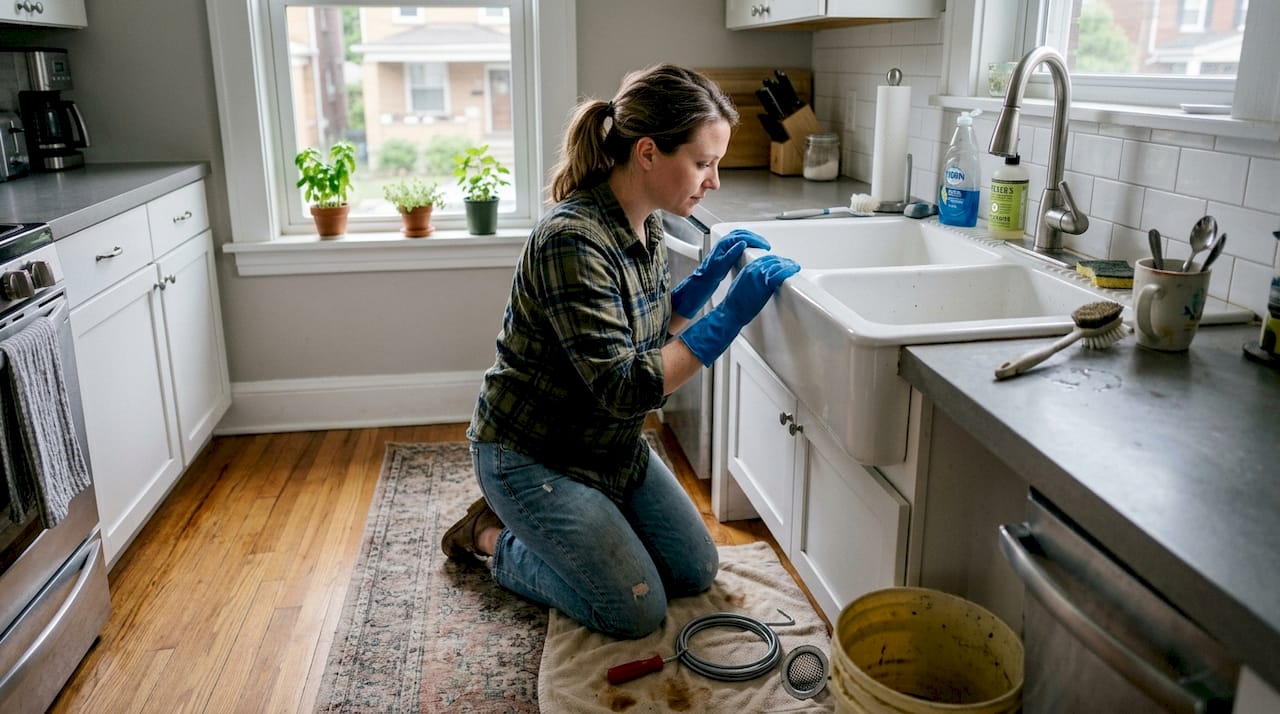
Clogged drains disrupt your daily routine and create frustrating backups in sinks, tubs, and showers throughout your Pittsburgh home. Learning to snake a drain yourself can save you time and money while giving you control over minor plumbing issues before they escalate into expensive emergencies. This guide walks you through the essential tools, safe snaking techniques, and maintenance practices that keep your drains flowing smoothly year round.
Table of Contents
- Essential Tools And Preparation For Snaking A Drain
- Step-By-Step Guide To Snaking Your Drain Safely And Effectively
- Troubleshooting And Common Mistakes To Avoid When Snaking Drains
- Maintaining Your Drains After Snaking: Prevention Tips For Pittsburgh Homes
- Trusted Plumbing Services In Pittsburgh To Support Your Home
- How To Snake A Drain Frequently Asked Questions
Key takeaways
| Point | Details |
|---|---|
| DIY snaking works for shallow clogs | Effective for hair, soap, and minor debris buildup within 15 feet of drain opening |
| Quality tools prevent damage | Investing in proper equipment protects pipes and ensures successful clog removal |
| Know your pipe material | PVC and older galvanized pipes require gentle technique to avoid cracks or breaks |
| Professional cleaning prevents emergencies | Annual maintenance by experts reduces major blockages and extends plumbing lifespan |
| Avoid common mistakes | Forcing cable, fast spinning, and skipping PPE can worsen clogs and create safety hazards |
Essential tools and preparation for snaking a drain
Gathering the right equipment before you start makes drain snaking safer and more effective. You need a quality drain snake, waterproof gloves, safety goggles, a bucket, old rags or towels, pliers for removing drain covers, and mesh strainers for future prevention. The snake itself is your most important investment because cheap models bend easily and lack the durability to clear tough clogs without damaging your pipes.
Waterproof personal protective equipment shields you from contaminated water that often contains bacteria, mold, and chemical residue from cleaning products. Gloves should extend past your wrists, and goggles protect your eyes from splashback when you withdraw the snake cable. A bucket catches dirty water and debris as you work, while rags absorb spills and keep your workspace clean.
Preparing your workspace prevents accidents and makes the job easier. Clear the area around your sink, tub, or floor drain by moving toiletries, cleaning supplies, and anything that could get wet or damaged. Place your bucket directly under the drain opening to catch water that flows out when you remove the cover. Lay towels on the floor to protect against spills and provide cushioning if you need to kneel.
| Tool | Purpose | Typical Cost Range |
|---|---|---|
| Drain snake | Breaks up and removes clogs | $100 to $200 for quality models |
| Waterproof gloves | Protects hands from contaminated water | $5 to $15 |
| Safety goggles | Shields eyes from splashback | $8 to $20 |
| Bucket | Catches debris and dirty water | $10 to $25 |
| Mesh strainers | Prevents future clogs | $5 to $15 per drain |
Pro Tip: Purchasing a quality snake between $100 and $200 paired with mesh strainers for every drain delivers long-term savings by reducing repeat clogs and eliminating the need for frequent professional visits.
Understand your pipe material before you begin snaking because different materials require different levels of care. PVC pipes are common in modern Pittsburgh homes and can crack if you apply too much force or use aggressive spinning techniques. Older galvanized steel or cast iron pipes corrode over time and become brittle, making them vulnerable to punctures from sharp snake tips. Check under your sink or in your basement to identify your pipe type, and plan to use gentle, controlled movements throughout the snaking process. For comprehensive heating cooling plumbing services that include pipe inspection and maintenance, professional teams can assess your system and recommend the safest approach for your specific setup.
Review a step-by-step drain cleaning guide Pennsylvania homeowners trust to understand the full process before you start. Familiarizing yourself with each stage helps you anticipate challenges and recognize when a clog exceeds DIY capabilities. Understanding why drain cleaning is essential for preventing blockages reinforces the value of both immediate snaking and ongoing maintenance to protect your plumbing investment.
Step-by-step guide to snaking your drain safely and effectively
Following a methodical process ensures you clear the clog without harming your pipes or creating additional problems. Each step builds on the previous one, so take your time and pay attention to how your drain responds as you work.
-
Put on your waterproof gloves and safety goggles before you touch any drain components or snake equipment. Remove the drain cover or strainer using pliers if needed, and set it aside in a safe place where you will not step on it or lose small screws.
-
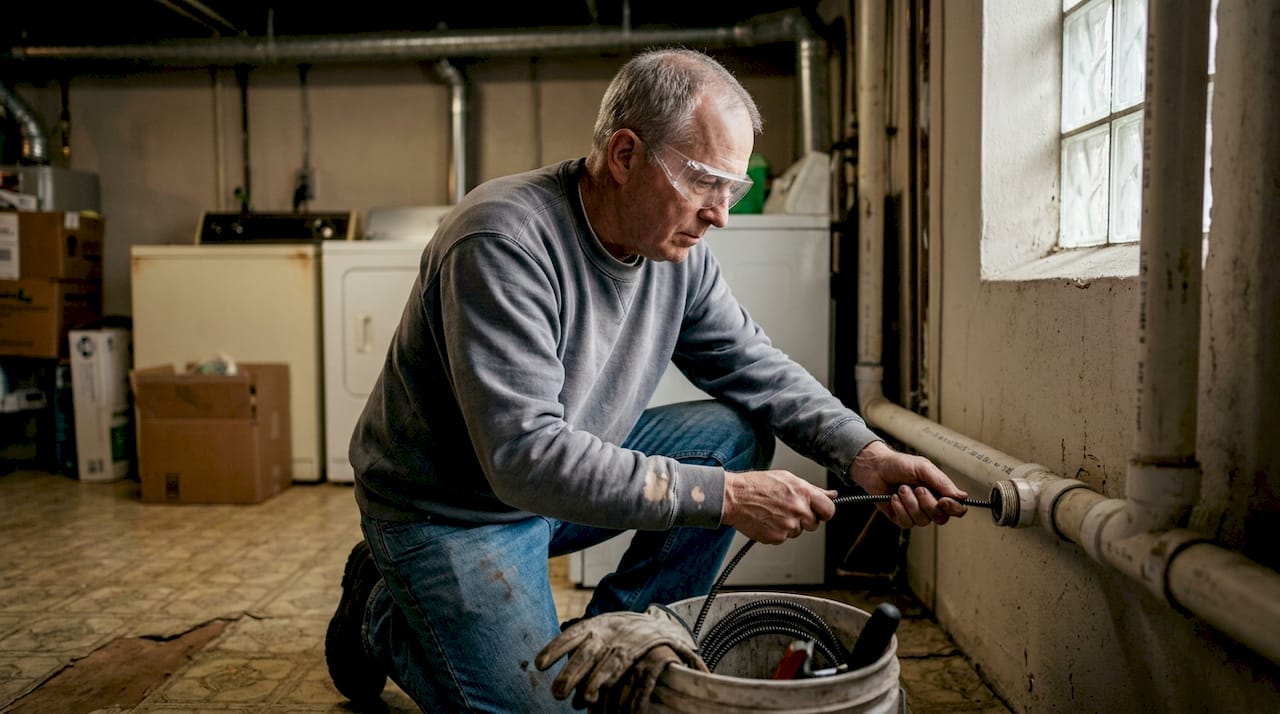
Insert the snake cable slowly into the drain opening, feeding it in a few inches at a time while maintaining a firm but gentle grip on the drum or handle. Stop immediately if you feel strong resistance because forcing cable can cause kinks and pipe damage that turns a simple clog into a costly repair.
-
Rotate the drum or handle slowly in a clockwise direction to help the cable navigate bends and break up the clog without aggressive spinning that can damage pipe interiors. You should feel the cable working through the blockage as resistance decreases and the snake advances further into the drain line.
-
Withdraw the snake carefully once you have broken through the clog, pulling it back slowly to remove debris clinging to the cable. Wipe the cable clean with rags as you retract it, disposing of hair, soap scum, and other material in your bucket rather than letting it fall back into the drain.
-
Flush the drain with hot water for several minutes to clear any remaining residue and verify that water flows freely without backing up or draining slowly. If water still pools or drains sluggishly, you may need to repeat the process or consider that the clog is deeper than DIY methods can reach.
Fast spinning is risky because it can shred pipe interiors, especially in older homes with corroded lines. Not cleaning your snake after use leads to corrosion and reduced performance, shortening the tool’s lifespan and effectiveness for future clogs.
Pro Tip: Clean your snake immediately after each use by wiping down the entire cable with a damp rag, then applying a light coat of mineral oil to prevent rust and maintain flexibility for your next drain emergency.
Be especially gentle with PVC pipes and older plumbing systems because these materials lack the durability of modern copper or brass lines. If you encounter a clog in a bathroom sink or tub, remember that these drains often have sharp bends and narrow pipes that require patience and controlled movements. For detailed techniques specific to Pittsburgh homes, explore drain snaking explained resources that address local plumbing configurations and common clog types. Understanding common plumbing repair issues and how to fix them helps you recognize when snaking is the right solution versus when other repairs are necessary.
Troubleshooting and common mistakes to avoid when snaking drains
Recognizing errors before they happen protects your plumbing and saves you from expensive repairs. Many homeowners damage their pipes or push clogs deeper by rushing through the process or ignoring warning signs that professional help is needed.
Common mistakes include forcing the cable when you hit resistance, skipping personal protective equipment, ignoring your pipe material and using the same aggressive technique on all drains, spinning the drum too fast in an attempt to clear stubborn clogs quickly, and failing to clean the snake after use which leads to corrosion and contamination. Each of these errors can transform a simple clog into a plumbing emergency that requires professional intervention and costly repairs.
| Factor | DIY Snaking | Professional Drain Cleaning |
|---|---|---|
| Cost | $100 to $200 for equipment | $150 to $400 per service call |
| Effectiveness | Works for shallow clogs within 15 feet | Clears deep blockages and uses camera inspection |
| Risk of damage | Higher if technique is improper | Minimal with experienced technicians |
| Best for | Minor hair and soap clogs | Recurring issues, tree roots, severe blockages |
| Time required | 30 minutes to 2 hours | 1 to 3 hours including diagnosis |
Know when to stop your DIY efforts and call a professional to prevent making the problem worse. If your drain clogs repeatedly within a few weeks, you likely have a deeper issue such as tree root intrusion or a damaged pipe that snaking cannot resolve. Foul odors coming from your drain after snaking suggest sewage backup or a clog in your main line that requires specialized equipment. Slow draining that persists even after multiple snaking attempts indicates the blockage is beyond the reach of standard consumer-grade snakes.
Pro Tip: DIY snaking works for shallow clogs but professionals use camera inspection first for deep or stubborn issues, preventing you from wasting time and potentially damaging pipes by guessing where the problem lies.
Improper snaking technique can push clogs deeper into your plumbing system, creating blockages in areas that are harder to access and more expensive to repair. Using a snake on a garbage disposal without disconnecting it first can damage the disposal blades and motor, requiring replacement of the entire unit. Aggressive spinning in old pipes can crack brittle sections or dislodge corroded joints, leading to leaks inside your walls or under your foundation.
Schedule annual professional drain cleaning if your home has heavy use from large families, frequent guests, or older plumbing systems prone to buildup. Professionals bring powerful equipment, camera technology, and expertise that identify problems before they become emergencies. For guidance on recognizing warning signs early, review signs you need professional cleaning to understand when DIY methods have reached their limits. Learning about drain cleaning benefits shows how regular maintenance cuts emergencies significantly and protects your home’s plumbing infrastructure.
Maintaining your drains after snaking: prevention tips for Pittsburgh homes
Once you clear a clog, adopting smart maintenance habits keeps your drains flowing freely and reduces the need for frequent snaking or emergency repairs. Prevention is always easier and cheaper than fixing problems after they develop.
Daily and weekly drain care starts with using mesh strainers in every sink, tub, and shower to catch hair, food particles, and soap residue before they enter your pipes. Never pour grease, oil, or fat down your kitchen drain because these substances solidify as they cool and create stubborn blockages that resist snaking. Flush your drains weekly with hot water for several minutes to melt minor soap and grease buildup before it hardens into a clog.
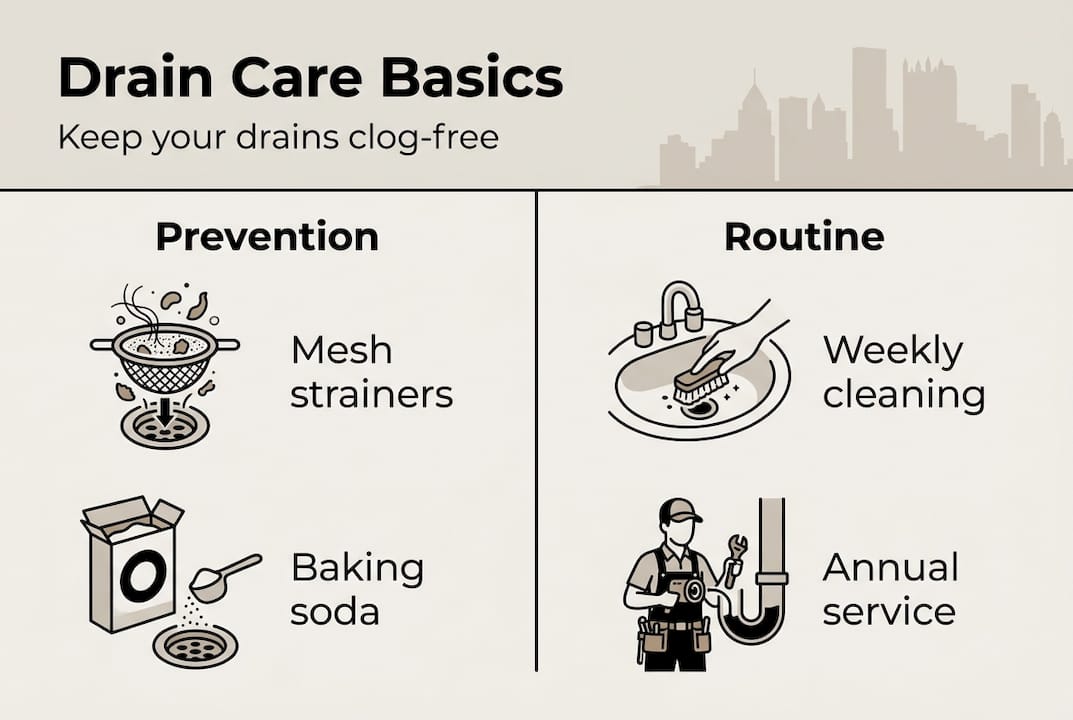
DIY prevention tactics include monthly treatments with baking soda and vinegar, which create a fizzing reaction that breaks down organic material and freshens your drains naturally. Pour half a cup of baking soda down the drain, follow with half a cup of white vinegar, let it sit for 15 minutes, then flush with hot water. Practice mindful disposal habits by scraping plates into the trash before rinsing them, disposing of coffee grounds in the compost rather than the sink, and keeping hair out of tub drains with quality strainers.
Pro Tip: Combining quality mesh strainers with regular snaking tool maintenance delivers long-term savings by preventing most clogs before they form and ensuring your equipment stays ready for the occasional minor blockage that does develop.
Schedule annual professional cleanings especially if your home has older plumbing, multiple bathrooms, or heavy daily use from large families. Professional technicians use hydro jetting and camera inspections to remove buildup that home snakes cannot reach, extending the life of your pipes and preventing major failures. Regular maintenance also gives professionals the opportunity to spot early signs of corrosion, leaks, or structural issues that you might miss during routine DIY care.
Watch for early warning signs of developing clogs so you can address them before they require emergency intervention. Slow draining water, gurgling sounds from your pipes, unpleasant odors from drains, and water backing up in multiple fixtures all indicate problems that need attention. Taking action at the first sign of trouble prevents complete blockages that disrupt your household and require expensive repairs. Understanding regular drain cleaning benefits and how they protect Pittsburgh homes helps you appreciate the value of both DIY maintenance and professional service in a comprehensive plumbing care strategy.
For ongoing support and expert service when you need it, explore professional drain cleaning service options that fit your schedule and budget while keeping your home’s plumbing system healthy and efficient.
Trusted plumbing services in Pittsburgh to support your home
When DIY snaking does not resolve your drain issues or you want the peace of mind that comes from professional expertise, AG Plumbing’s licensed technicians bring 30 years of experience to every service call in Pittsburgh and surrounding areas. Our team handles everything from routine drain cleaning to complex plumbing repairs, using advanced equipment and proven techniques that protect your pipes while delivering lasting results.
Professional services make sense when clogs recur frequently, when you lack the time or tools for DIY work, or when you want preventive maintenance that catches problems before they escalate. Our technicians also provide comprehensive heating and cooling services, making us your single trusted partner for all home comfort and functionality needs. Contact our plumbing repair services Pittsburgh team for expert diagnostics and repairs, or schedule drain cleaning service Pittsburgh appointments that fit your schedule. For complete home comfort solutions, explore our full range of heating cooling plumbing services Pittsburgh homeowners rely on year after year.
How to snake a drain frequently asked questions
When should I snake my drain myself versus call a plumber?
Snake your drain yourself for shallow clogs caused by hair, soap, or minor debris within 15 feet of the opening. Call a plumber when clogs recur within weeks, when you smell sewage, when multiple drains back up simultaneously, or when DIY attempts fail to restore normal flow.
What safety equipment do I need when snaking a drain?
You need waterproof gloves that extend past your wrists, safety goggles to protect against splashback, and old clothes you can discard if they get contaminated. A bucket and rags help contain mess and keep your workspace clean during the process.
Can I damage my pipes by snaking the drain incorrectly?
Yes, forcing the cable, spinning too aggressively, or using improper technique can crack PVC pipes, puncture corroded metal pipes, or push clogs deeper into your system. Always use gentle, controlled movements and stop immediately if you encounter strong resistance.
How often should I have my drains professionally cleaned?
Schedule professional drain cleaning annually if your home has heavy use, older plumbing, or frequent minor clogs. Homes with newer pipes and light use can extend this to every two years, but annual service provides the best protection against major blockages and extends plumbing lifespan.
What signs indicate my drain clog is too severe for DIY snaking?
Recurring clogs within a few weeks, foul sewage odors, water backing up in multiple fixtures, and persistent slow draining after snaking all indicate problems beyond DIY capabilities. These symptoms often point to deep blockages, tree root intrusion, or damaged pipes requiring professional camera inspection and specialized equipment.
Recommended
- Drain Snaking Explained: Solving Pittsburgh Clogs Fast – AG-Plumbing
- Step by step drain cleaning guide for PA homeowners – AG-Plumbing
- Types of drain cleaning methods for Pittsburgh homes – AG-Plumbing
- Why regular drain cleaning protects Pittsburgh homes – AG-Plumbing
