
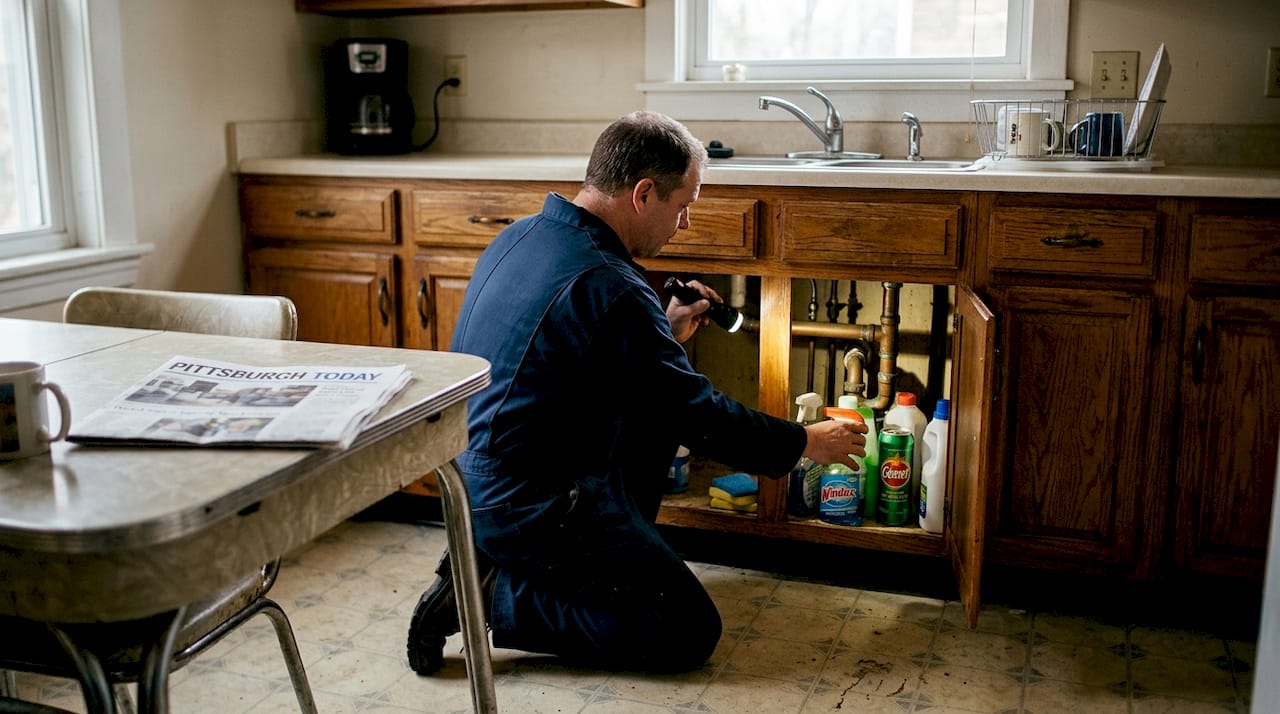
Hidden leaks are quietly draining Pittsburgh homes right now. Most homeowners never notice until a water bill spikes or a wall starts showing moisture damage. Annual inspections detect hidden leaks early, stopping water damage, mold, and sky-high repair costs before they spiral. With Pittsburgh’s older housing stock and brutal freeze-thaw winters, the stakes are even higher than in most cities. This guide walks you through exactly what annual plumbing inspections cover, what they cost, and why skipping one could be the most expensive decision you make as a homeowner.
Table of Contents
- The real risks: What most Pittsburgh homeowners overlook
- What happens in an annual plumbing inspection?
- Cost comparison: Routine inspections versus emergency repairs
- Who needs annual inspections? Key scenarios for Pittsburgh homes
- How to get value from your annual inspection: Expert tips
- Count on Pittsburgh’s plumbing experts for reliable annual inspections
- Frequently asked questions
Key Takeaways
| Point | Details |
|---|---|
| Hidden leaks cost you | Annual inspections catch leaks wasting thousands of gallons and dollars every year. |
| Local homes face unique risks | Pittsburgh’s old pipes and tree roots make yearly checks especially critical. |
| Inspections cost less than emergencies | A $300 inspection can prevent repairs costing $5,000 or more. |
| Know what’s covered | Professional inspections include visual, camera, and pressure checks for full plumbing protection. |
| Action beats reaction | Being proactive with annual inspections saves money and stress no matter your home’s age. |
The real risks: What most Pittsburgh homeowners overlook
Pittsburgh is a city of beautiful older homes, and that character comes with a catch. Many of those homes still have original clay or iron pipes running beneath the yard and under the foundation. Clay and iron laterals are highly prone to root intrusion, corrosion, and collapse, making annual checks critical for any home built before the 1980s.
The freeze-thaw cycle Pittsburgh experiences every winter puts enormous stress on pipes. Water expands when it freezes, and that pressure can crack even well-maintained lines. Add in the mature trees lining most Pittsburgh streets, and you have roots constantly searching for moisture inside your sewer laterals.
“Most homeowners are shocked to learn their sewer line has been slowly failing for years. By the time symptoms appear, the damage is already extensive.” — Pittsburgh area plumbing inspector
The numbers are hard to ignore. Undetected leaks waste around 10,000 gallons of water per home every year. That is not a small drip. That is a full swimming pool worth of water silently disappearing through your walls, floors, or yard.
Here are the most common risks Pittsburgh homeowners face without regular inspections:
- Sewer line collapse from root intrusion or pipe corrosion
- Burst pipes after a hard freeze
- Slow leaks behind walls causing mold and structural rot
- Water heater failure from sediment buildup
- Drain backups from grease and debris accumulation
Even newer Pittsburgh homes are not immune. Builders sometimes overlook small installation flaws that turn into serious problems within a few years. Learning about Pittsburgh drain cleaning risks and common plumbing repairs can help you stay ahead of these issues before they become emergencies.
Pro Tip: If your home is over 20 years old and has never had a sewer scope, schedule one immediately. You may be one heavy rain away from a backup.
What happens in an annual plumbing inspection?
Now that the risks are clear, let’s break down exactly what an annual inspection should include. A thorough inspection is not just a plumber glancing at your faucets. It is a systematic review of every major system in your home.
A complete inspection checklist typically covers these steps in order:
- Visual inspection of all accessible pipes, fixtures, and connections for corrosion, cracks, or moisture
- Pressure test to confirm water pressure stays within the ideal 40 to 60 psi range
- Water heater inspection and flush to remove sediment and check the anode rod
- Drain camera inspection to look for clogs, root intrusion, or pipe damage inside sewer lines
- Leak detection using thermal imaging or moisture meters to find hidden leaks behind walls and under slabs
- Shut-off valve check to confirm every valve opens and closes properly in an emergency
The methodology behind professional inspections combines visual checks, pressure testing, water heater service, drain camera work, and advanced leak detection tools. A full inspection typically takes two to three hours for an average Pittsburgh home.
| Inspection type | Thoroughness | Tools used | Accuracy | Risk of missing issues |
|---|---|---|---|---|
| DIY visual check | Low | Flashlight, eyes | Low | Very high |
| Professional inspection | High | Camera, thermal, pressure gauge | Very high | Very low |
Combining your own monthly visual checks with a yearly professional visit gives you the best protection. Look under sinks, check for discoloration around fixtures, and listen for running water when everything is off. These habits help you prevent costly plumbing repairs between professional visits.
Pro Tip: Ask your plumber to provide a written report with photos after every inspection. This creates a paper trail that is invaluable for insurance claims and future home sales. Learn more about how plumbing inspections save money over the long run.
Cost comparison: Routine inspections versus emergency repairs
Once you know what an inspection covers, the money argument becomes impossible to ignore. The average annual plumbing inspection runs between $100 and $500, with most Pittsburgh homeowners paying around $300. Compare that to what happens when something goes wrong without warning.
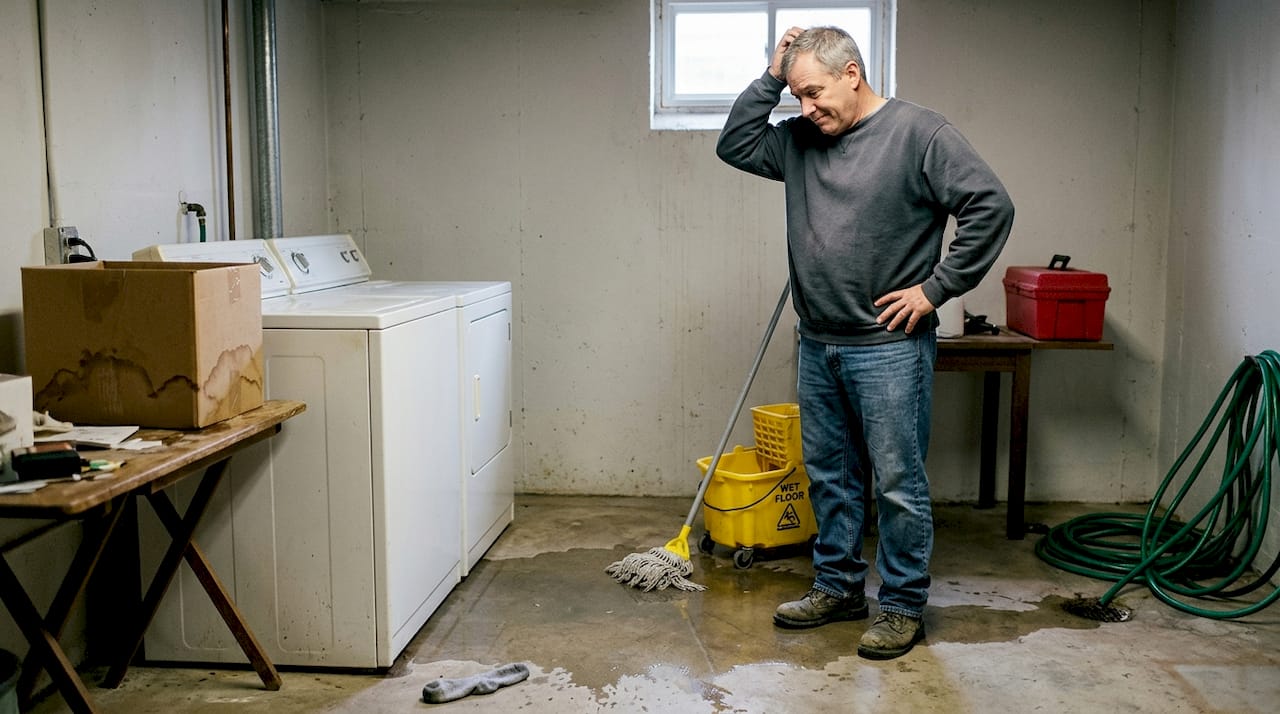
According to inspection cost benchmarks, a standard inspection prevents emergencies that routinely cost thousands. Burst pipes cost between $5,000 and $70,000 depending on location and damage. Slab leaks run $2,000 to $6,000 just for the repair, not counting water damage restoration.
| Plumbing issue | Average repair cost | Preventable with inspection? |
|---|---|---|
| Annual inspection | $100 to $500 | N/A |
| Burst pipe | $5,000 to $70,000 | Yes |
| Slab leak | $2,000 to $6,000 | Yes |
| Sewer line replacement | $8,000 to $40,000 | Yes |
| Water heater failure | $1,000 to $3,500 | Yes |
| Mold remediation from leak | $3,000 to $10,000 | Yes |
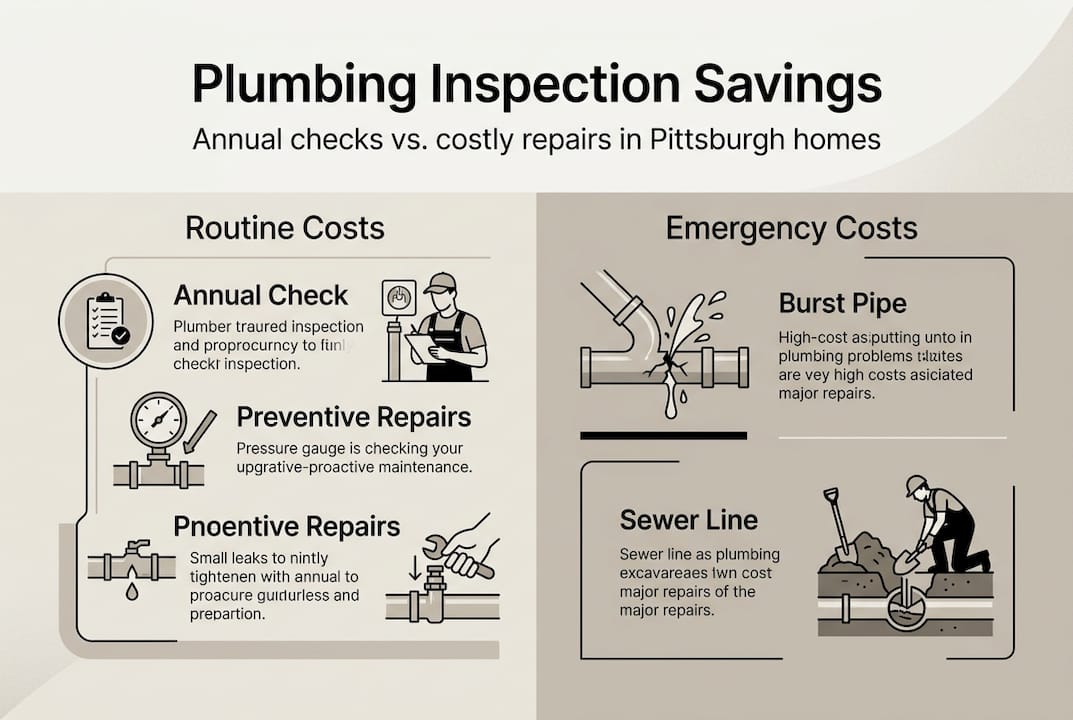
The math is straightforward. Spending $300 a year to avoid a $15,000 sewer line emergency is not a luxury. It is basic financial sense.
There is also an insurance angle most homeowners miss. Many policies will not cover damage caused by slow leaks, corrosion, or neglect. If you cannot show that you maintained your plumbing system, your claim may be denied. Regular inspections create documented proof of responsible maintenance, which can make a real difference when you file a claim.
The most expensive plumbing emergencies that annual inspections help you avoid include:
- Sewer line collapse requiring full excavation and replacement
- Burst pipes from freeze damage or pressure buildup
- Slab leaks that damage your foundation
- Water heater explosions from neglected pressure relief valves
- Mold infestations from slow, undetected leaks
Exploring saving with inspections and reviewing DIY troubleshooting steps can help you build a smarter maintenance strategy around your annual professional visit.
Who needs annual inspections? Key scenarios for Pittsburgh homes
Understanding the costs is half the picture. Now let’s look at which Pittsburgh homes benefit most from annual checks.
The short answer is every home, but some situations make inspections especially urgent. Older homes over 20 years with original plumbing, mature trees nearby, or clay and iron lateral pipes face the highest risk of sudden failure. Seasonal freeze-thaw cycles worsen existing sags and cracks in sewer lines, turning a minor issue into a full collapse.
“We see it every spring. A homeowner calls because their basement flooded, and when we scope the line, there’s a root ball the size of a basketball. A $300 inspection two years earlier would have caught it at the root-tip stage.” — Pittsburgh plumbing professional
Here is a quick breakdown of which homes should prioritize annual inspections:
- Homes built before 1980 with original clay or cast iron pipes
- Properties with large trees within 20 feet of the sewer line
- Homes that have never had a sewer scope inspection
- Any home that has experienced a backup, slow drain, or unexplained wet spots
- Homes in low-lying Pittsburgh neighborhoods prone to ground shifting
Addressing plumbing repair issues early and understanding how sewer repair prevents major failures are two habits that separate proactive homeowners from reactive ones.
Pro Tip: Schedule your inspection in early fall, before the first hard freeze. This gives you time to fix any vulnerabilities before Pittsburgh’s coldest months hit.
How to get value from your annual inspection: Expert tips
Knowing you need an inspection is one thing. Making it count is another. Here’s how to get the best from your annual check.
Start by choosing a plumber who knows Pittsburgh specifically. Local experience matters because a plumber familiar with the city’s pipe materials, soil conditions, and seasonal patterns will know exactly where to look. Ask whether they use a drain camera, what their report includes, and whether they carry proper licensing and insurance.
Even new homes benefit from annual checks, and combining visual DIY habits with professional camera and thermal inspections gives you the most complete picture of your system’s health.
Follow these steps to prepare for your inspection and get the most out of it:
- Clear access to all under-sink cabinets, the water heater, and the main shut-off valve
- Write down any concerns you have noticed, such as slow drains, odd smells, or discolored water
- Locate your last inspection report if you have one, so the plumber can compare findings
- Ask for a written report with photos and a priority list of recommended repairs
- Request a timeline for any follow-up work so you can budget accordingly
Tracking your inspection results over time is one of the most underrated habits a homeowner can build. Patterns emerge. A drain that slows slightly each year is telling you something. Photos from past inspections help your plumber spot trends that a single visit might miss. This documentation also adds real value when you sell your home. Buyers and their inspectors respond well to a complete maintenance record.
Review your complete plumbing checklist regularly between professional visits to stay on top of small issues before they grow.
Count on Pittsburgh’s plumbing experts for reliable annual inspections
After all this expert advice, Pittsburgh homeowners need a convenient, trusted way to act on it. AG Heating, Cooling & Plumbing has served Pittsburgh and the surrounding areas for 30 years, and annual plumbing inspections are one of the most valuable services we offer. Our team knows Pittsburgh pipes, Pittsburgh soil, and Pittsburgh winters.
We handle everything from full Pittsburgh plumbing repairs to preventive maintenance visits designed to catch problems before they become emergencies. Whether your home is 10 years old or 100, our licensed plumbers use camera inspection, pressure testing, and thermal imaging to give you a complete picture of your system. Explore our essential plumbing services or reach out to the local plumbing inspection experts at AG Heating, Cooling & Plumbing to schedule your annual inspection today. One visit now can save you tens of thousands later.
Frequently asked questions
How much does an annual plumbing inspection cost in Pittsburgh in 2026?
A standard annual inspection costs between $100 and $500, with most Pittsburgh homeowners paying around $300 for a thorough visit.
What parts of my plumbing system are checked during an annual inspection?
Inspectors review visible pipes, fixtures, drains, shut-off valves, water heaters, and main sewer lines, with cameras checking faucets, toilets, and slab areas for hidden problems.
Is a plumbing inspection really necessary for newer homes?
Yes. New homes still benefit from annual checks because installation flaws and early leaks can develop within the first few years of construction.
Does homeowner’s insurance cover plumbing repairs from leaks?
Many policies exclude damage from slow leaks or neglect, but regular inspections support claims by showing documented proof of responsible maintenance.
Recommended
- Plumbing Maintenance Checklist: Prevent Costly Home Repairs – AG-Plumbing
- Role of plumbing inspections in PA: Save $700+ annually – AG-Plumbing
- How cleanouts in plumbing save 67% of Pittsburgh homeowners – AG-Plumbing
- Why regular drain cleaning protects Pittsburgh homes – AG-Plumbing
