
TL;DR:
- Grease traps prevent FOG buildup in sewer lines, requiring proper sizing, installation, and maintenance.
- Effective management relies on scheduled cleaning, accurate documentation, and dedicated ownership rather than passive installation.
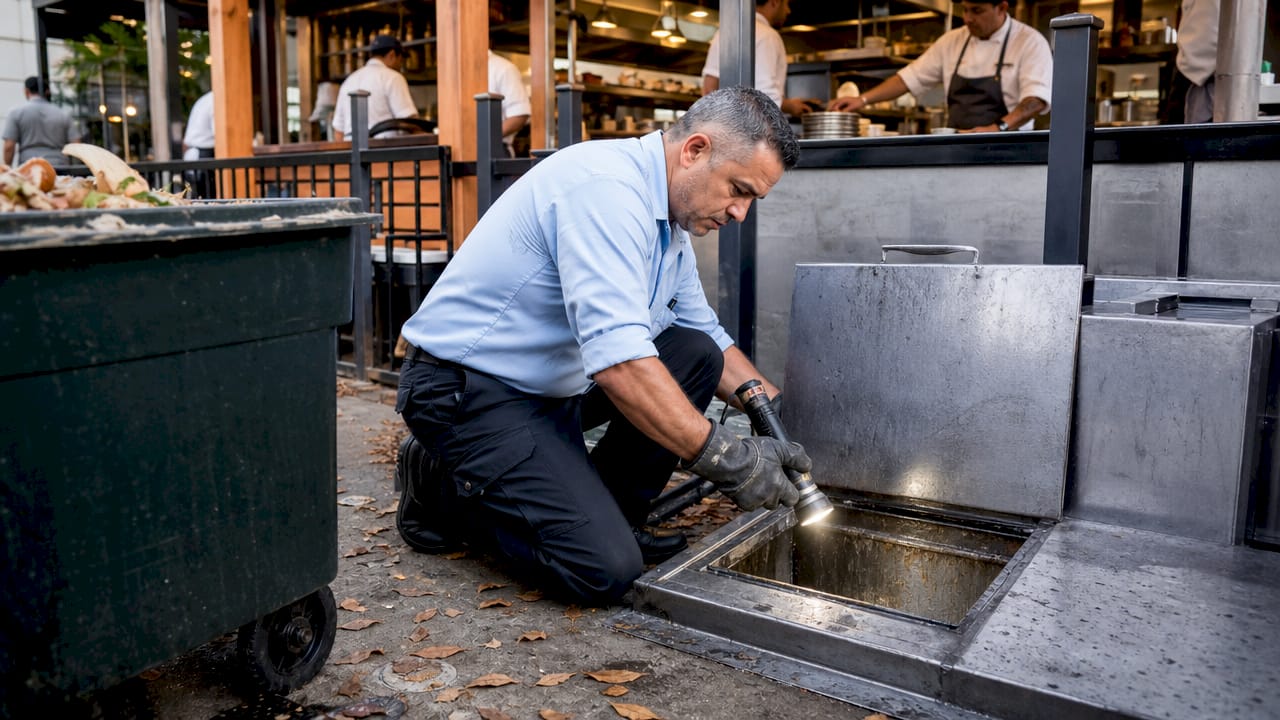
Grease traps are defined as plumbing devices that intercept fats, oils, and grease (FOG) from wastewater before it reaches municipal sewer lines. The role of grease traps extends beyond simple filtration. Without them, FOG accumulates inside drain pipes and sewer mains, causing blockages, sanitary sewer overflows, and costly emergency repairs. For property managers and commercial kitchen owners in Pittsburgh and beyond, understanding how these devices work, how to size them correctly, and how to keep them compliant is not optional. It is the difference between a functioning kitchen and a regulatory shutdown.
How grease traps work to separate FOG from wastewater
A grease trap functions by slowing wastewater flow so that physical separation can occur. FOG floats and solids settle because grease is less dense than water, and the reduced velocity inside the trap gives both materials time to migrate away from the effluent layer. The clear middle layer then exits through the outlet baffle into the sewer. This process sounds simple, but hydraulic conditions inside the trap determine whether it actually works.
Two primary device categories serve commercial kitchens:
- Hydromechanical grease interceptors (HGIs): Installed at the point of source, typically under a sink or near a floor drain. These compact units handle lower flow volumes and are standard in smaller kitchens or food prep stations.
- Gravity grease interceptors (GGIs): Large in-ground units holding 300 to 2,000 gallons with approximately 30 minutes of retention time. These serve high-volume kitchens with multiple fixtures and are typically located outside the building.
The distinction matters operationally. A GGI in a hotel kitchen handles grease loads that would overwhelm any under-sink unit. Mismatching device type to kitchen volume is one of the most common and expensive mistakes property managers make.
Pro Tip: Never connect dishwashers or garbage disposals directly to a hydromechanical interceptor. The high-temperature discharge and solid waste volume will destroy separation efficiency and accelerate the need for pump-outs.
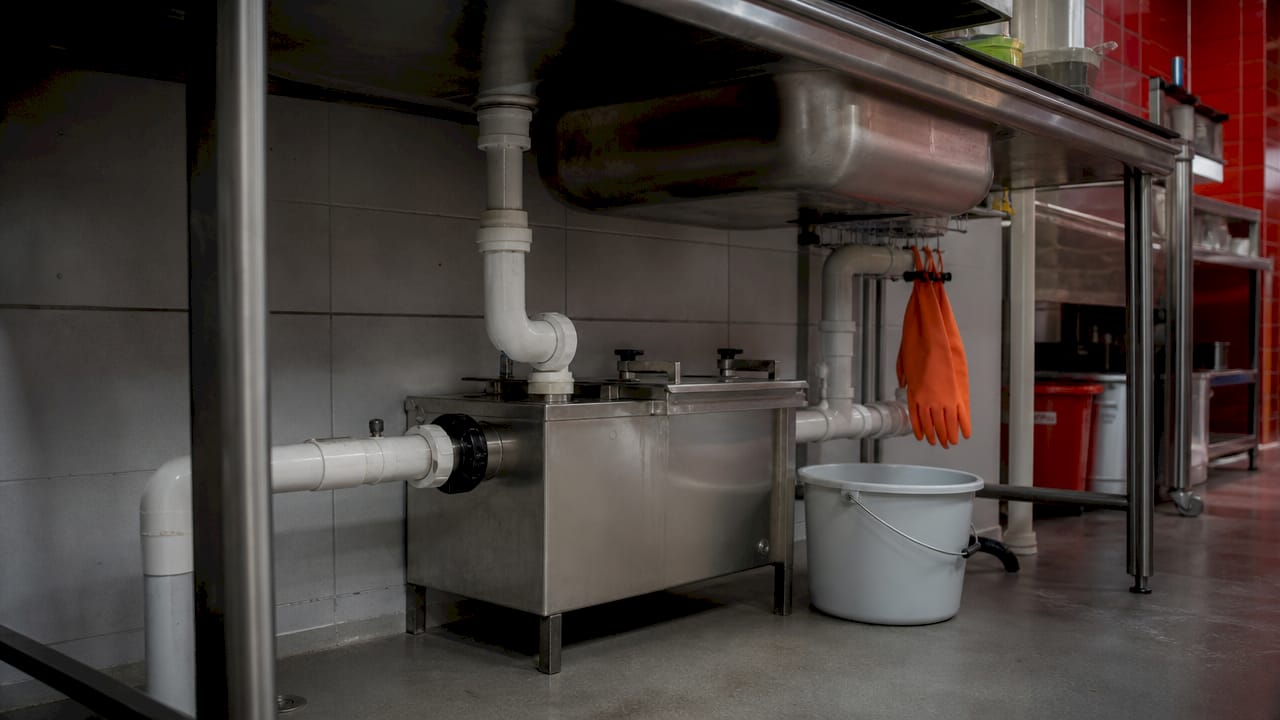
Understanding the function of grease traps at a mechanical level helps you ask the right questions when a service technician tells you the unit needs replacement or upsizing.
Why sizing and installation determine grease trap performance
A grease trap that is too small for the kitchen it serves will fail regardless of how often it is cleaned. Two primary sizing methods govern commercial installations in the United States and Canada.
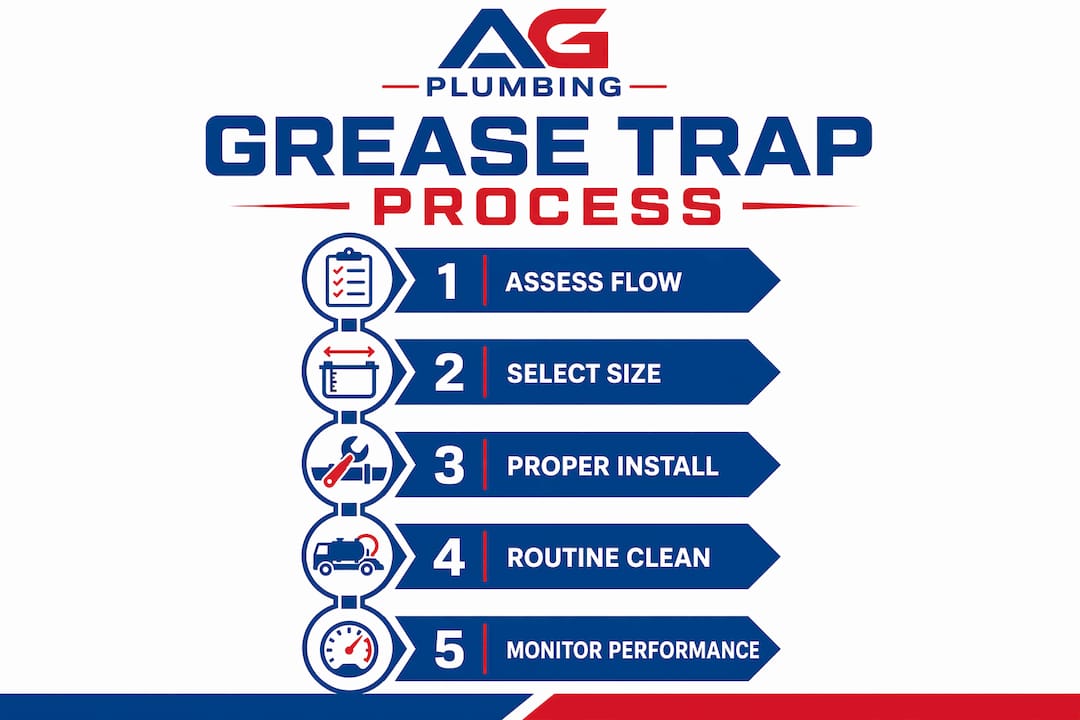
| Sizing Method | Basis | Best Used For |
|---|---|---|
| IPC flow rate method | Calculates gallons per minute based on fixture flow rates | Hydromechanical interceptors at point-of-source |
| UPC drainage fixture units | Assigns load values to each plumbing fixture | Gravity interceptors serving multiple fixtures |
The International Plumbing Code (IPC) and Uniform Plumbing Code (UPC) take different approaches, and local jurisdictions often add their own requirements on top. Toronto’s Sewers By-law, for example, mandates grease interceptor installation on any pipe connected to the municipal sewer system in food service establishments, with specific capacity thresholds tied to kitchen type and volume.
CSA-compliant hydromechanical interceptors must carry markings that include flow rating, removal efficiency, maximum capacity, and inlet size per the Ontario Building Code. These markings are not just manufacturer labels. Inspectors use them to verify that the installed device matches the permitted design. A unit without proper markings can trigger a compliance violation even if it is physically functioning.
Installation location also affects performance. Point-of-source interceptors must be positioned close enough to the fixture to prevent FOG from cooling and solidifying in the connecting pipe before it reaches the trap. In-ground interceptors require proper venting, access risers, and setback distances from building foundations.
Pro Tip: When planning a new commercial kitchen or renovation in Pittsburgh, pull the local plumbing permit before purchasing any grease trap. The permit review process will specify the required sizing method and device type, saving you from buying the wrong unit.
What the 25% rule means for grease trap maintenance
The 25% rule is the most cited compliance standard in grease trap management, and most kitchen operators do not fully understand what it measures. Cleaning is required when FOG plus solids combined reach 25% of the device’s total liquid depth. This is not just a FOG measurement. Solids that settle to the bottom count equally toward the threshold, because they reduce the effective retention volume and shorten the time wastewater spends inside the trap.
Here is why that matters in practice. A trap that looks clean on the surface may have a significant solids layer on the bottom. If that combined layer exceeds one-quarter of the trap’s depth, the device is no longer separating effectively. FOG carry-over into the sewer becomes likely, and backups, odors, and fines follow.
Spokane’s Municipal Code Section 13.03.0508 enforces this threshold through inspections, and similar standards apply across most U.S. municipalities. Inspectors treat grease control devices as owner-managed infrastructure with documented service histories. A missing pump-out log is treated the same as a missed pump-out.
To stay ahead of the 25% threshold, follow these steps:
- Establish a baseline. Have a licensed technician measure FOG and solids depth at your first scheduled pump-out. This tells you how fast your specific kitchen generates waste.
- Set a cleaning schedule based on volume. High-volume kitchens may need monthly pump-outs. Lower-volume operations may manage with quarterly service.
- Log every service visit. Record the date, technician name, measured FOG and solids depth before cleaning, and the waste disposal manifest. Inspectors will ask for this documentation.
- Watch for early warning signs. Slow drains, gurgling sounds, and grease odors near floor drains are indicators that the trap is approaching capacity. Learn more about signs of drain problems before they become emergencies.
Microbial activity inside interceptors can generate long-chain fatty acids that contribute to sewer deposits even after pump-outs. Some operators use microbial additives to enhance aerobic biodegradation between cleanings, though these supplements do not replace scheduled pump-outs.
Common compliance pitfalls for property managers and kitchen owners
Most grease trap violations do not come from operators who ignore maintenance entirely. They come from operators who maintain their traps inconsistently or who made a critical error during installation that no amount of cleaning can fix.
- Under-sizing: A trap sized for a coffee shop cannot handle a full-service restaurant kitchen. When kitchen volume increases after a menu change or expansion, the existing trap may no longer meet code. Reassess sizing any time your kitchen’s fixture count or operating hours change significantly.
- Improper fixture connections: Not every drain in a commercial kitchen should connect to the grease trap. Toilet waste, for example, must never route through a grease interceptor. Conversely, all food prep sinks, pot wash stations, and floor drains in cooking areas must connect to it. Misrouting creates both compliance failures and sewer line blockages downstream.
- Illegal bypass: Some operators, knowingly or not, allow wastewater to bypass the trap through improperly installed cleanouts or direct connections. FOG carry-over and bypass are the two most common causes of regulatory enforcement actions.
- Inadequate pump-out frequency: Scheduling pump-outs on a fixed calendar without measuring actual accumulation is a gamble. A busy holiday season can push a trap past the 25% threshold weeks ahead of a quarterly schedule.
- No documentation: Compliance requires documented inspection and servicing history, not just a functioning device. Keep pump-out manifests and inspection reports on file for a minimum of three years, or longer if your local code requires it.
Flow surges from high-temperature dishwasher discharge can disrupt hydraulic conditions inside the trap, pushing FOG through the outlet before separation is complete. If your kitchen runs continuous dishwasher cycles, discuss baffling options or a separate interceptor for that fixture with a licensed plumber.
Key takeaways
Grease traps protect sewer systems and commercial kitchens only when they are correctly sized, properly installed, and maintained to the 25% rule with documented service records.
| Point | Details |
|---|---|
| Core function | Grease traps separate FOG and solids from wastewater using reduced flow velocity before discharge reaches the sewer. |
| Device type matters | Hydromechanical interceptors suit point-of-source use; gravity interceptors handle high-volume multi-fixture kitchens. |
| The 25% rule | Clean when FOG plus solids combined reach one-quarter of liquid depth, regardless of surface appearance. |
| Documentation is compliance | Inspectors require pump-out logs and service records, not just a working device. |
| Sizing must match volume | Reassess trap sizing after any kitchen expansion, menu change, or increase in operating hours. |
Why grease trap management is really a system problem
After years of watching commercial kitchens navigate compliance issues, I have come to one firm conclusion: most grease trap failures are management failures, not equipment failures. The trap itself is a passive device. It does exactly what physics tells it to do. The problems start when operators treat it as a set-and-forget installation rather than an active piece of infrastructure.
The success of grease traps depends on sustained operational management and policy enforcement, not just the technology. I have seen kitchens with brand-new, correctly sized interceptors rack up violations within six months because no one owned the maintenance schedule. And I have seen 15-year-old units in high-volume kitchens pass every inspection because the operator treated pump-out documentation like a financial record.
My practical advice: assign one person in your operation to own the grease trap. That person schedules service, keeps the log, and knows the 25% rule by heart. Pair that with a licensed plumber who understands your local code, and you will spend far less time dealing with enforcement actions and far more time running your kitchen.
The operators who get into trouble are almost always the ones who outsourced their compliance thinking entirely to a service contractor without verifying the work. Your name is on the permit. Own it.
— Maayan
Keep your commercial kitchen compliant with Ag-plumbing
Grease trap problems rarely announce themselves until a backup or an inspection forces the issue. Ag-plumbing has served commercial kitchens and property managers across Pittsburgh, PA for 30 years, handling everything from grease interceptor sizing and installation to scheduled pump-out coordination and compliance documentation support.
Whether you need a new interceptor installed to code, a current system assessed for proper sizing, or a hydro jetting service to clear FOG buildup from your drain lines, the Ag-plumbing team brings the technical knowledge and local code familiarity to get it done right. Explore Pittsburgh plumbing services from Ag-plumbing and schedule a commercial kitchen assessment before your next inspection.
FAQ
What is the role of grease traps in commercial kitchens?
Grease traps intercept fats, oils, and grease from wastewater before it enters municipal sewer lines, preventing blockages, sanitary sewer overflows, and regulatory violations. They are required by code in virtually all food service establishments.
How often should a grease trap be cleaned?
Cleaning frequency depends on kitchen volume, but the governing standard is the 25% rule: clean when FOG and solids combined reach one-quarter of the trap’s liquid depth. High-volume kitchens may require monthly service; lower-volume operations may qualify for quarterly pump-outs.
What happens if a grease trap is not maintained?
Neglected grease traps allow FOG carry-over into sewer lines, causing blockages, odors, and potential fines from municipal inspectors. Spokane’s Municipal Code and similar regulations across the U.S. treat failure to maintain as a direct compliance violation.
What is the difference between a hydromechanical and a gravity grease interceptor?
Hydromechanical interceptors are compact, point-of-source units installed under sinks, suited for smaller kitchens. Gravity interceptors are large in-ground units holding 300 to 2,000 gallons with longer retention times, designed for high-volume multi-fixture commercial operations.
Do grease trap regulations vary by city?
Yes. While the IPC and UPC provide baseline sizing standards, cities like Toronto and municipalities like Spokane layer additional requirements on top, including specific capacity thresholds, CSA compliance markings, and mandatory documentation of all service visits.
Recommended
- Drain Clog Prevention Tips for Pittsburgh Homeowners – AG-Plumbing
- Why Hydro Jetting Is Ideal for Commercial Plumbing Systems – AG-Plumbing
- Signs Your Drains Need Professional Cleaning Services – AG-Plumbing
- What is a plumbing trap? Homeowner’s guide to clean drains – AG-Plumbing
