
TL;DR:
- Maintaining water pressure between 40 and 60 PSI helps protect plumbing and appliances from damage. Regular testing with a inexpensive gauge allows early detection of leaks, restrictions, and faulty components. Routine checks prevent costly repairs and ensure consistent water flow and safety in your home.
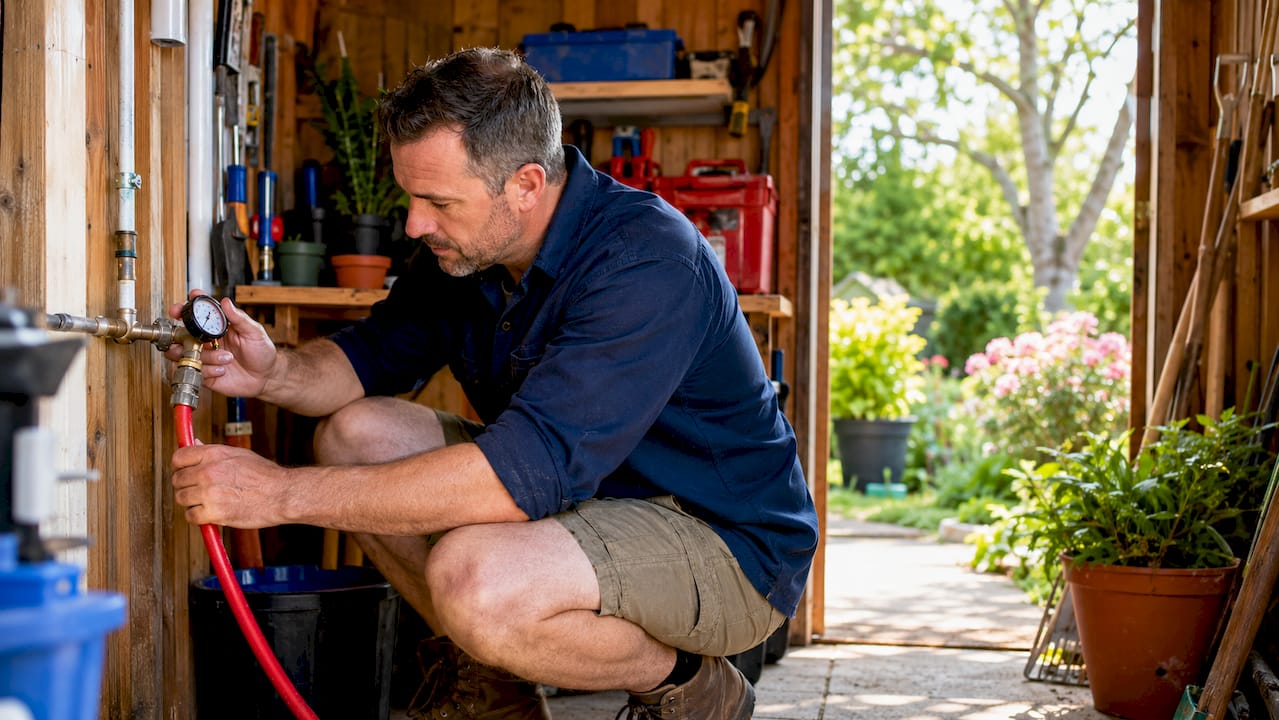
Water pressure is the force, measured in PSI (pounds per square inch), that pushes water through your home’s pipes and out of every fixture. Knowing why check water pressure matters is not just a plumbing curiosity. It is the difference between catching a $10 fix early and paying for a burst pipe later. This guide covers the ideal pressure range, how to test it yourself, what causes low pressure, and why routine testing is one of the smartest things you can do for your home.
What is the ideal water pressure range for your home?
Residential water pressure should stay between 40 and 60 PSI, with 60 PSI considered the sweet spot for most households. Pressure above 80 PSI requires immediate attention. At that level, pipe joints, fixture valves, and appliance connections all wear out faster than they should.
Low pressure, anything below 40 PSI, creates its own set of problems. Showers feel weak, dishwashers take longer to fill, and washing machines may not rinse clothes properly. A flow rate below 10 liters per minute is classified as poor performance, meaning your fixtures are not getting enough water to function correctly.
High pressure is actually the more dangerous condition. High water pressure causes water hammer, the loud banging you sometimes hear in walls when a faucet shuts off fast. That hammering effect stresses pipe joints and can crack fixture components over months of repeated impact.
Signs your pressure is outside the normal range:
- Weak or inconsistent flow from showers and faucets
- Noisy pipes, especially banging or vibrating sounds
- Running toilets or faucets that drip after shutting off
- Appliances like dishwashers or washing machines taking unusually long cycles
- Visible water stains near pipe connections or under sinks
Any one of these symptoms points to a plumbing pressure issue worth investigating before it escalates.
How to check your water pressure at home
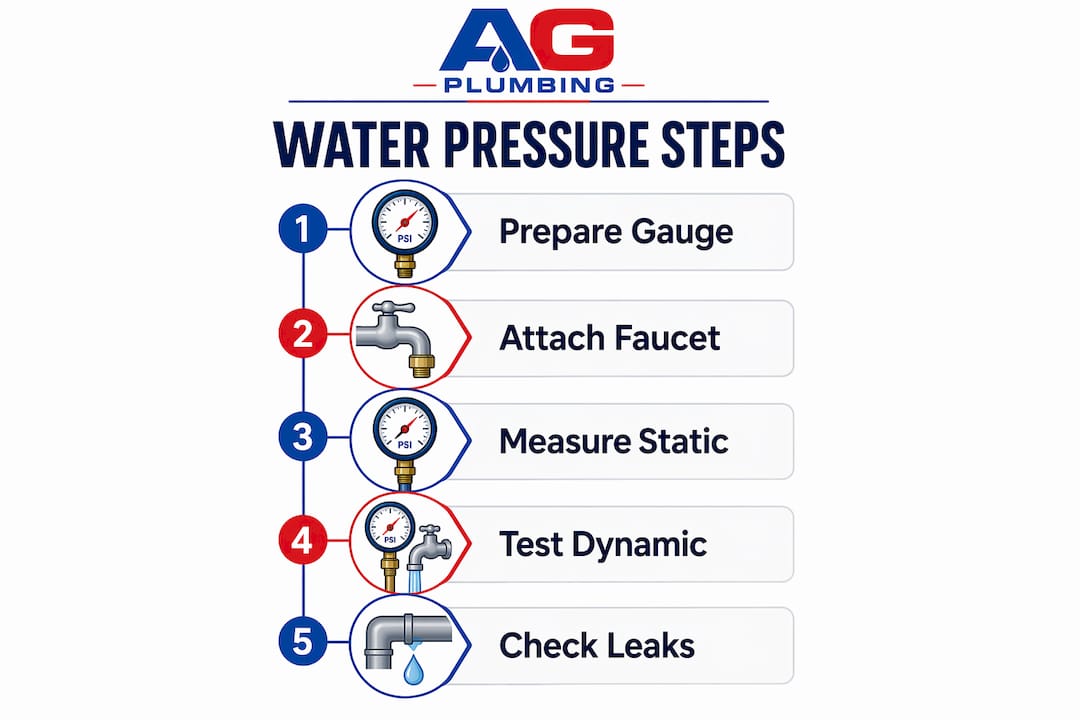
Checking water pressure takes less than 60 seconds and costs about $10 for a standard threaded pressure gauge. You screw the gauge onto an outdoor hose bib or sill cock, turn the water on fully, and read the dial. That single number tells you whether your system is operating safely.
Step-by-step testing process:
- Purchase a standard water pressure gauge from any hardware store. They thread onto standard hose connections.
- Locate your outdoor hose bib or a laundry room faucet with a threaded spout.
- Attach the gauge and open the faucet completely.
- Read the static pressure with no other fixtures running. This is your baseline.
- Have someone turn on a shower or run the dishwasher while you watch the gauge. This is your dynamic pressure reading.
- Record both numbers and compare them to the 40–60 PSI target range.
- Test at least once or twice per year, ideally in spring and fall.
Pro Tip: Most homeowners only test static pressure, but dynamic pressure tells the real story. If your reading drops sharply when a second fixture runs, you likely have a restriction somewhere in the line or a failing pressure reducing valve.
Testing at multiple locations and during simultaneous fixture use reveals blockages and pressure instability that a single outdoor reading will never catch. A kitchen faucet reading 55 PSI while the shower reads 35 PSI points directly to a localized restriction, not a whole-house problem.
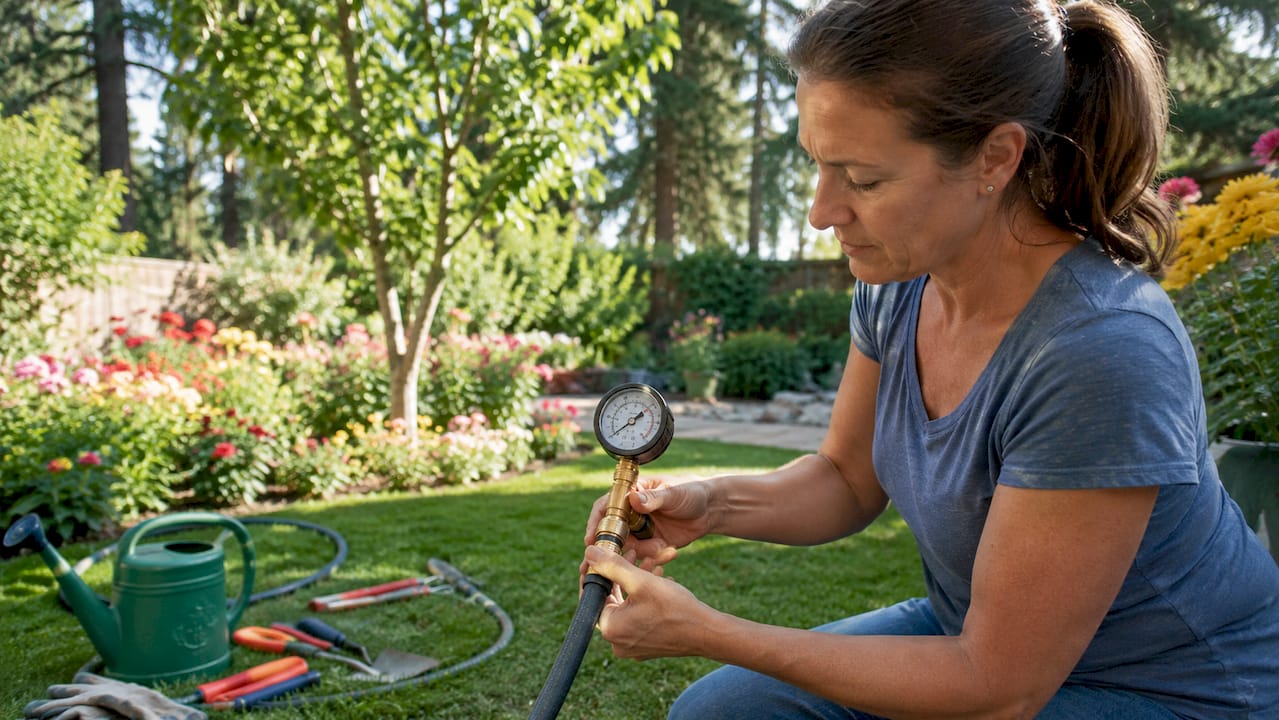
You can also use your gauge to run a leak test. Shut the main water valve completely, attach the gauge, and watch the reading for one hour. A pressure drop greater than 3 PSI signals an active leak somewhere in your system, even if you cannot see any water. That invisible leak is often the most expensive kind.
What causes low water pressure in your home?
Low water pressure rarely has a single cause. Common causes include clogged aerators, closed valves, failing regulators, and municipal supply issues. Each one affects your plumbing differently, and some are far easier to fix than others.
The most frequent culprits:
- Clogged aerators: Mineral deposits build up inside faucet aerators and showerheads over time, physically blocking flow. Unscrewing and soaking the aerator in white vinegar overnight often restores full pressure at that fixture.
- Partially closed valves: The main shutoff valve or the meter valve may not be fully open after a repair. Even a quarter turn can cut pressure noticeably across the whole house.
- Failing pressure reducing valve (PRV): A PRV sits on the main line where water enters your home and keeps pressure in the safe range. When it fails, pressure can drop below 40 PSI or creep unpredictably high.
- Waterlogged expansion tank: A waterlogged expansion tank loses its air cushion and causes pressure to spike and drop erratically. This is one of the most overlooked causes of pressure instability in residential plumbing.
- Municipal supply problems: Your city’s water main pressure can drop during peak demand hours, typically early morning and early evening. If your pressure is consistently low at those times but normal otherwise, the issue starts outside your property line.
- Corroded or scaled pipes: Older galvanized steel pipes develop internal scale buildup that narrows the pipe’s interior diameter. This is common in Pittsburgh homes built before the 1970s and requires pipe repair or replacement to resolve fully.
Low pressure can also mask more serious problems. A slow leak inside a wall reduces pressure at nearby fixtures without any visible water damage. Homeowners often adjust to the weaker flow without realizing a leak has been running for months.
Why regular pressure testing is a smart maintenance habit
Testing pressure before symptoms appear allows for inexpensive adjustments rather than emergency repairs. A PRV reset costs a fraction of what a burst pipe repair costs. That gap in repair cost is the clearest argument for routine testing.
“Pressure stability is the foundation of a healthy plumbing system. A single annual test can reveal slow-developing problems that would otherwise surface as an emergency at the worst possible time.” — Ag-plumbing, Pittsburgh, PA
Long-term benefits of routine pressure monitoring:
- Leak prevention: Catching a pressure drop early, before visible damage appears, stops water from saturating walls, subfloors, and insulation. The importance of water leaks to your home’s structure cannot be overstated.
- Appliance protection: Water heaters, dishwashers, and washing machines all have pressure tolerances. Running them above 80 PSI shortens their service life measurably.
- Lower utility bills: Maintaining pressure in the 40–60 PSI range reduces unnecessary water flow through fixtures. Less water wasted means a lower monthly bill without changing any habits.
- Comfort and safety: Consistent pressure means your shower temperature stays stable when someone flushes a toilet. Pressure swings cause the sudden cold or scalding bursts that are both annoying and genuinely dangerous.
- Early diagnosis of failing components: Plumbers use dynamic pressure tests to identify failing PRVs, expansion tanks, and line restrictions that static tests miss entirely.
Routine testing fits naturally into seasonal home maintenance. Checking pressure in spring catches any damage from winter freezes. A fall check before temperatures drop confirms your system is ready for the cold months ahead.
Key takeaways
Regular water pressure testing is the single most cost-effective plumbing maintenance step a homeowner can take, catching hidden leaks, failing components, and unsafe pressure levels before they become expensive emergencies.
| Point | Details |
|---|---|
| Ideal pressure range | Keep residential water pressure between 40 and 60 PSI to protect pipes and appliances. |
| Test twice a year | Use a $10 gauge at an outdoor hose bib in spring and fall for a reliable baseline. |
| Dynamic testing matters | Test under simultaneous fixture use to reveal restrictions a static reading will miss. |
| Low pressure has many causes | Clogged aerators, failing PRVs, and corroded pipes each require a different fix. |
| Early testing saves money | Catching a pressure problem before symptoms appear avoids costly emergency repairs. |
What I’ve learned after years of watching homeowners skip this check
Most homeowners I talk to have never tested their water pressure. Not once. They notice the shower feels weak or the dishwasher takes forever, and they assume it is just how their house is. That assumption costs real money.
The fix that surprises people most is the PRV reset. A pressure reducing valve can drift out of calibration over years without any obvious sign. Pressure creeps up slowly, stressing every pipe joint and appliance connection in the house. By the time a fitting fails, the homeowner has no idea the PRV was the root cause. A $10 gauge and a five-minute test would have shown the problem two years earlier.
The other thing most articles skip is the leak test. Shutting your main valve and watching a gauge for an hour feels tedious. But a 3 PSI drop in that hour means water is going somewhere it should not, and you have no idea where. I have seen that simple test save homeowners from discovering a slow leak only after it rotted out a subfloor.
My honest advice: buy a gauge, test your pressure this weekend, and write the number down. Do it again in six months. Two data points are enough to tell you whether your system is stable or trending in the wrong direction.
— Maayan
Ag-plumbing can solve your water pressure problems
Ag-plumbing has served Pittsburgh, PA homeowners for 30 years, diagnosing and fixing every type of water pressure problem from failing PRVs to corroded supply lines. If your gauge reading is outside the 40–60 PSI range, or if you have noticed any of the warning signs covered here, the Ag-plumbing team can identify the exact cause and fix it correctly the first time. Visit ag-plumbing.com to learn about full plumbing repair services in Pittsburgh, or call to schedule a pressure assessment before a small issue becomes a costly emergency.
FAQ
What is a normal water pressure reading for a house?
Normal residential water pressure falls between 40 and 60 PSI. Readings above 80 PSI require immediate attention to prevent pipe and fixture damage.
How often should I test my home’s water pressure?
Test your water pressure at least once or twice per year. Spring and fall checks align well with seasonal home maintenance routines.
What tool do I need to check water pressure at home?
A standard threaded water pressure gauge costs around $10 at any hardware store. It screws directly onto an outdoor hose bib and gives an instant reading.
Can low water pressure indicate a hidden leak?
Yes. A pressure drop greater than 3 PSI during a closed-valve leak test confirms an active leak even when no water is visible anywhere in the home.
Why does my water pressure drop when I run two fixtures at once?
A sharp pressure drop under simultaneous fixture use points to a line restriction, a partially closed valve, or a failing pressure reducing valve somewhere in your plumbing system.
Recommended
- Water Heaters: What Every Pittsburgh Homeowner Must Know – AG-Plumbing
- Why Water Leaks Matter: A Homeowner’s Guide – AG-Plumbing
- Smart Plumbing Tips Every Pittsburgh Homeowner Needs – AG-Plumbing
- How to Fix Noisy Pipes: A Practical Home Guide – AG-Plumbing
