
TL;DR:
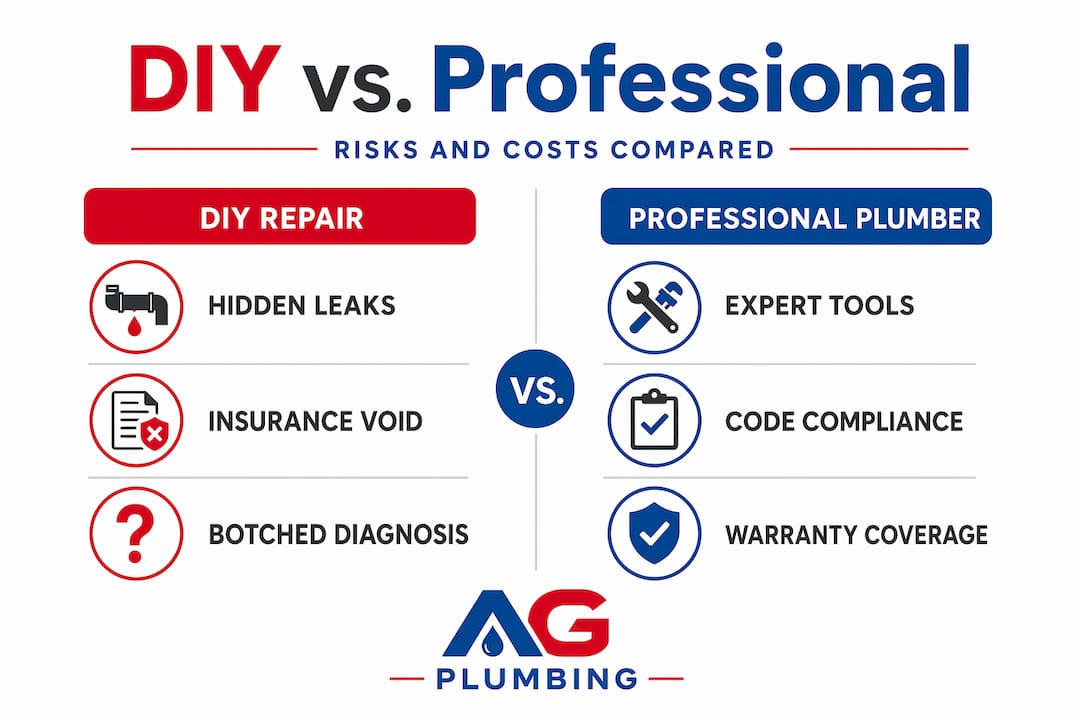
- Many homeowners underestimate the risks of DIY plumbing, which can lead to hidden leaks, mold, and safety hazards. Professional repairs often cost less in the long run than fixing botched DIY work that causes extensive damage or code violations. Regular preventive maintenance and knowing when to seek expert help are essential strategies to protect your home and finances.
Most homeowners hit a moment where the leaking pipe under the sink looks like a quick fix. A few YouTube videos, a trip to the hardware store, and you’re convinced you can handle it. But understanding why avoid diy repairs — especially in plumbing — is less about skill and more about what you don’t know is hiding behind your walls. The real costs, the safety risks, and the insurance gaps can turn a $150 professional call into a $5,000 disaster. This article breaks down those risks clearly so you can make smarter decisions before you grab that wrench.
Table of Contents
- Key Takeaways
- Why avoid DIY repairs when plumbing is involved
- The real financial cost of DIY plumbing mistakes
- Common DIY repair pitfalls and why expertise matters
- When to DIY and when to hire a professional plumber
- Preventive maintenance to reduce costly repairs
- My honest take on what homeowners get wrong most often
- Trust the professionals your home deserves
- FAQ
Key Takeaways
| Point | Details |
|---|---|
| DIY plumbing carries real safety risk | Leaks, mold, and gas hazards are far more common with amateur repairs than most homeowners expect. |
| Professional costs beat DIY blunders | A botched DIY repair often costs several times more to fix than a professional service call would have. |
| Insurance gaps hit hard | Damage from poor maintenance or improper DIY work is frequently excluded from standard homeowner policies. |
| Some tasks are safe to DIY | Minor maintenance like replacing faucet aerators is fine; gas lines, sewer work, and boilers are not. |
| Preventive maintenance prevents emergencies | Scheduling regular inspections catches small problems before they become expensive replacements. |
Why avoid DIY repairs when plumbing is involved
The appeal of DIY plumbing is obvious. You feel in control, you avoid a service call fee, and the problem seems straightforward. But plumbing systems are not transparent. What looks like a dripping faucet can be early evidence of a pressure imbalance. What appears to be a slow drain can indicate a blocked main sewer line three feet underground.
The dangers of DIY repairs in plumbing are particularly severe because mistakes are often invisible at first. A pipe connection that looks watertight can seep for months inside a wall. That slow drip feeds mold growth, weakens wood framing, and creates structural damage you won’t see until the repair bill arrives. By then, the problem is no longer a plumbing issue. It’s a contractor issue.
There are also direct physical safety risks that many homeowners underestimate. Gas lines, pressure relief valves, and water heater connections are not forgiving of small errors. An improperly seated gas line fitting does not just leak. It can fill an enclosed space with gas before anyone notices. According to plumbing safety guidance for Pittsburgh homeowners, professionals use diagnostic tools and code compliance standards that most DIYers simply don’t have access to.
Consider the warranty angle as well. DIY guidance from AI and social media frequently oversimplifies complex repairs, which can void appliance warranties and lead to expensive mechanical failures. Your water heater manufacturer doesn’t care that the YouTube tutorial looked legitimate.
Pro Tip: Before touching any plumbing connection, photograph the existing setup from multiple angles. If the repair goes wrong, a professional can diagnose the problem faster with that documentation.
“Rerouting pipes or servicing a boiler requires precision to prevent slow leaks that can cause rot and water damage over months.” — UK Property Newsdesk
Here are the core safety categories where DIY plumbing repairs most often go wrong:
- Water damage and mold: A connection that fails inside a wall can go undetected for weeks, creating conditions where mold spreads behind drywall.
- Gas leak risk: Any repair near a gas-fed water heater or boiler introduces the possibility of a gas leak if connections aren’t properly sealed and tested.
- Injury from tools and pressure: Working with pressurized systems without the right tools and training leads to burst connections and physical injury.
- Code violations: Repairs done without permits or outside local building codes can create liability issues when you sell the home.
The real financial cost of DIY plumbing mistakes
Here’s where the numbers get uncomfortable. Most homeowners assume the worst case with DIY is spending extra on parts. The actual worst case is far more expensive.
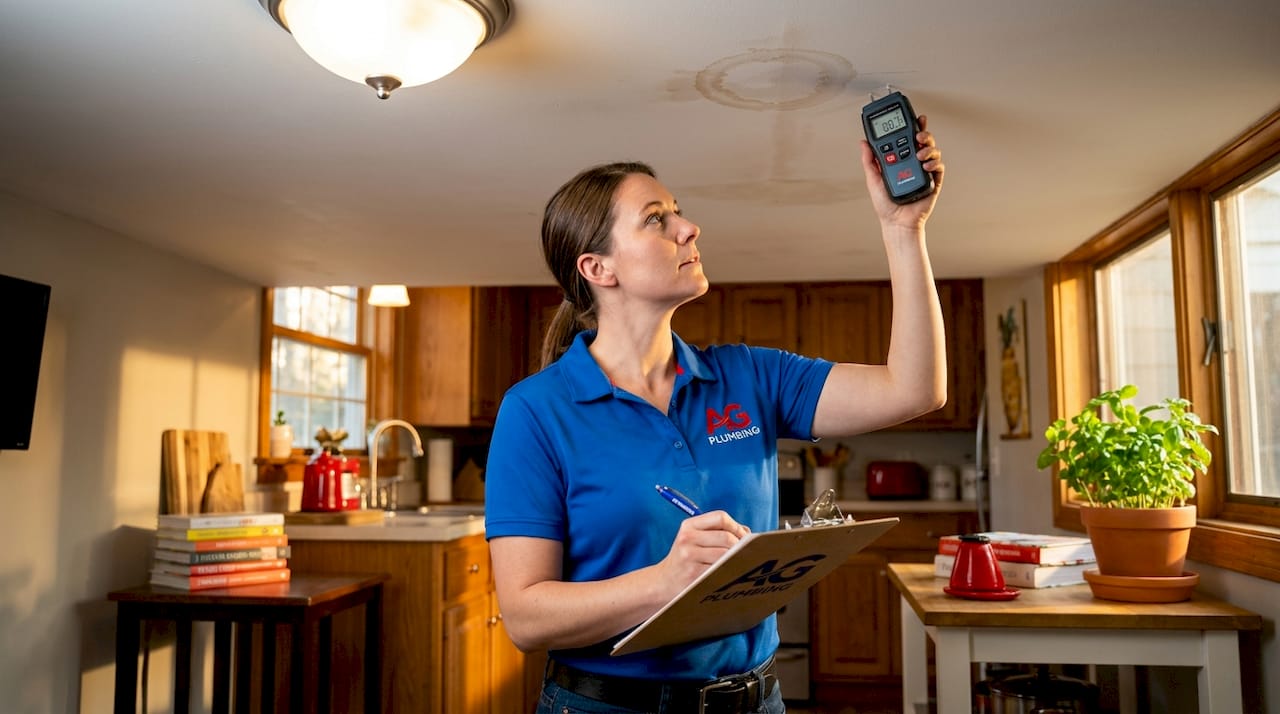
Plumbing repairs already range from $125 to $5,000 depending on severity. When a small leak is ignored or improperly patched, it can escalate into water damage that costs considerably more. Foundation damage from drainage errors runs from $2,200 up to $30,000 for major leveling work. That is not a number most families can absorb on a weekend decision.
| Repair Type | Professional Cost | Botched DIY Cost | Key Risk |
|---|---|---|---|
| Leaking pipe repair | $150 – $400 | $1,500+ (water damage) | Hidden leaks cause structural rot |
| Water heater service | $80 – $150 | $800 – $2,000+ replacement | Voided warranty or improper install |
| Boiler repair | $80 – $120 | $3,500+ replacement | Gas risk and total unit failure |
| Drain/sewer repair | $200 – $600 | $3,000 – $10,000+ | Misdiagnosis worsens the blockage |
| Foundation drainage | $2,200 – $8,100 | $20,000 – $30,000 | Water infiltration causes leveling needs |
The insurance dimension adds another layer. Insurance policies frequently exclude damage that results from poor maintenance or improper work. That means a DIY drainage error that causes foundation damage could leave you with a bill that your insurer won’t touch.
Home renovation projects also routinely cost at least 20% more and take longer than initially planned, even for experienced homeowners. That 20% overrun on a $3,000 project is manageable. On a $15,000 project that snowballed from a “simple” pipe reroute, it’s a real financial hardship.
Pro Tip: Get a professional estimate before you decide to DIY. The quote itself is often free, and knowing the actual cost of professional service gives you a real comparison rather than a guess.
Common DIY repair pitfalls and why expertise matters
One of the most underappreciated home repair mistakes is the gap between diagnosing a symptom and diagnosing the actual problem. A slow-draining sink can be a clogged trap, a venting issue, a partially collapsed pipe, or the start of a sewer line failure. Each requires a completely different fix.
Professional plumbers carry diagnostic equipment that most homeowners don’t own and wouldn’t know how to use. Video camera inspections, pressure gauges, and pipe locating equipment reveal the real cause of a problem before any repair begins. Without that diagnosis, a DIYer is guessing. Sometimes the guess is right. Often it’s not, and the underlying issue continues to worsen.
There’s also the technical standard to consider. Professional repairs must comply with local building codes, use approved materials, and pass inspection. A DIY fix that uses the wrong pipe material for a given application, or skips a required pressure test, doesn’t just risk immediate failure. It can create a liability issue when the home is inspected for sale years later.
The parallel in another industry makes this clear: applying consumer-grade resin to a windshield chip can permanently prevent professional repair and force a full replacement. The same logic applies to plumbing. A DIY fix that seals the wrong way, or with the wrong compound, can make a professional repair significantly harder and more expensive.
Tasks generally safe for DIY:
- Replacing faucet aerators or showerheads
- Fixing a running toilet by replacing the flapper
- Tightening accessible supply line connections
- Cleaning out a P-trap under the sink
- Installing a pre-assembled faucet on an accessible fixture
Tasks that require a licensed plumber:
- Any repair involving gas lines or gas appliances
- Boiler service, repair, or replacement
- Sewer line work or drain pipe replacement
- Water heater installation
- Pipe rerouting inside walls or under slabs
- Diagnosing recurring leaks or pressure loss
When to DIY and when to hire a professional plumber
Making the right call on a repair isn’t complicated once you have a clear decision process. The goal is to assess your situation honestly before committing to either path.
Here’s a practical framework for deciding when to hire a pro:
- Assess the severity. Can you see the full extent of the problem, or could damage be hidden behind walls or under flooring? If you can’t confirm the full scope, call a professional.
- Check safety implications. Does the repair involve gas, high water pressure, or electrical components? Any yes answer ends the DIY conversation immediately.
- Review your warranty and policy terms. Check whether your appliance warranty or homeowner’s insurance policy requires licensed repairs. Many do, and the exclusion language is easy to miss.
- Estimate your skill level honestly. Have you done this specific repair before with a successful outcome? Not a similar repair. This exact repair.
- Calculate time cost. A professional may complete in two hours what takes you an entire weekend. Factor in the value of your time, not just parts and labor.
- Consider permit requirements. Some plumbing repairs require a permit under local codes. Unpermitted work can create complications when selling your home.
Pro Tip: If a repair requires turning off the water main to your whole house and you’ve never done it, consider that a signal to call a professional. A plumber can complete the repair and restore service the same day.
The risks of home repairs increase sharply when homeowners make the decision based on confidence from a tutorial rather than genuine experience with that specific system. There’s nothing wrong with learning. There is a real risk in learning on a system that serves your entire household.
Preventive maintenance to reduce costly repairs
The best way to avoid both expensive professional repairs and the temptation to DIY something dangerous is to stay ahead of problems. A consistent maintenance routine keeps small issues from becoming emergencies.
You can do these basic tasks safely at home to keep your plumbing in good shape:
- Check visible supply lines under sinks and behind toilets every six months for any moisture, discoloration, or swelling in the line itself.
- Test your water pressure with an inexpensive gauge from a hardware store. Normal residential pressure is between 40 and 80 psi. Above 80, you may need a pressure regulator.
- Pour water into floor drains seasonally to keep the trap full and prevent sewer gas from entering the home.
- Flush your water heater annually to remove sediment, which reduces efficiency and shortens the unit’s life.
- Know where your main shutoff valve is and confirm it turns smoothly. A frozen shutoff in an emergency adds significant time and damage.
Scheduling a professional inspection once a year pays for itself quickly. A plumber can catch early problems in pipes, fixtures, and water heating equipment before they become replacements. The inspection cost is a fraction of even a minor emergency repair.
Pro Tip: After any Pittsburgh winter, have a licensed plumber check your exposed pipes and outdoor hose bibs. Freeze damage often shows up as a slow seep rather than a dramatic burst, and it compounds over months if ignored.
My honest take on what homeowners get wrong most often
I’ve seen hundreds of plumbing jobs where the original problem was simple. A worn washer, a degraded wax ring, a joint that needed resealing. What made the final repair costly wasn’t the original issue. It was the attempt that came before the call to a professional.
The DIY repair pitfalls I see most consistently aren’t about skill. They’re about diagnosis. Homeowners fix what they can see and leave what they can’t. That’s human nature. But plumbing problems don’t stay contained. A slow drip inside a wall works quietly for months before you notice the stain on the drywall, and by then you’re also replacing framing and dealing with a mold assessment.
What I’d encourage you to reconsider is the framing of “saving money” in DIY plumbing. You’re not saving money when you avoid a professional. You’re deferring a cost and adding risk. The actual savings come from preventive maintenance, catching problems early, and calling a professional when the issue is still contained.
The homeowners I’ve seen make the best long-term decisions about their homes are the ones who treat professional service as an investment in protection, not a reluctant expense. That mindset shift changes everything about how you approach repairs.
— Maayan
Trust the professionals your home deserves
When it comes to plumbing repairs in Pittsburgh, the difference between a professional service call and a DIY attempt isn’t just about skill. It’s about the tools, the code knowledge, the diagnostic equipment, and the decades of experience that prevent small problems from becoming large ones. Ag-plumbing has served Pittsburgh homeowners for 30 years, handling everything from routine maintenance to complex repairs with the kind of precision that protects your home and your wallet.
Whether you need a plumbing repair estimate or want to schedule a full system inspection before problems develop, Ag-plumbing makes it straightforward. The team at AG Heating, Cooling & Plumbing shows up on time, explains what they find, and completes work that holds up. Reach out today and get a professional set of eyes on your plumbing before a minor issue becomes a major expense.
FAQ
What are the biggest risks of DIY plumbing repairs?
The biggest risks of DIY plumbing repairs include hidden water leaks that cause mold and structural damage, gas line hazards near water heaters or boilers, and code violations that create liability issues when selling your home.
How much can a botched DIY plumbing repair actually cost?
A failed DIY repair can cost several times more than a professional service call. Boiler repair mistakes, for example, can exceed $3,500 in replacement costs compared to roughly $80 to $120 for professional service.
Will my homeowner’s insurance cover DIY plumbing damage?
Not always. Insurance often excludes damage resulting from improper maintenance or amateur repairs, which means you could be left paying out of pocket for significant structural or water damage.
Which plumbing tasks are safe to do yourself?
Tasks like replacing a faucet aerator, fixing a running toilet flapper, or cleaning a P-trap are generally safe for most homeowners. Gas line work, boiler service, and sewer repairs should always go to a licensed plumber.
How do I know when to call a professional plumber?
Call a professional when the repair involves gas, hidden pipes, recurring leaks, or any system you cannot fully inspect. If the repair requires shutting off your main water line and you’ve never done it before, that’s a clear signal to get professional help rather than risk making the problem worse.
Recommended
- Cost-saving plumbing tips for Pittsburgh homeowners – AG-Plumbing
- Essential plumbing safety tips for Pittsburgh homeowners – AG-Plumbing
- Plumbing Maintenance Checklist: Prevent Costly Home Repairs – AG-Plumbing
- Why annual plumbing inspections save Pittsburgh homeowners thousands – AG-Plumbing
