
Sewer line problems can turn your home into a stressful, unsanitary mess overnight. When drains back up or foul odors invade your living space, you need clear answers fast. Pittsburgh homeowners face unique challenges with aging infrastructure and hilly terrain that complicate repairs. This guide walks you through diagnosing sewer issues, choosing cost-effective repair methods, verifying quality work, and maintaining your system to prevent future emergencies. You’ll learn practical steps to protect your home’s plumbing reliability and avoid costly surprises.
Table of Contents
- Key takeaways
- Understanding your sewer line problems and preparing for repair
- Choosing the right sewer line repair: methods and cost overview
- Step-by-step sewer line repair process and post-repair verification
- Maintenance tips and protection plans to safeguard your sewer line
- Trusted sewer line repair and plumbing services in Pittsburgh
- Frequently asked questions
Key Takeaways
| Point | Details |
|---|---|
| Homeowner responsibility | Pittsburgh homeowners are responsible for maintaining the sewer lateral from the house to the city main. |
| Camera inspection value | A sewer camera inspection costs 150 to 500 dollars and reveals exact locations and severity to guide smart repairs, ideally scheduled in dry weather. |
| Repair options | Repair methods include spot repairs, CIPP lining, and full replacement, with costs that vary by depth, access, and restoration needs. |
| CIPP lifespan checks | CIPP liners can last fifty or more years when properly installed, and a post repair inspection is essential to verify integrity. |
Understanding your sewer line problems and preparing for repair
Pittsburgh homeowners carry full responsibility for maintaining the sewer lateral from house to city main, a mandate enforced by PWSA. This ownership extends to all repairs, replacements, and maintenance on your property’s portion of the sewer system. Most homeowners discover this reality only when facing a backup emergency.
Common sewer problems include tree root intrusion that cracks pipes, bellies where sections sag and trap waste, complete blockages from debris buildup, and catastrophic collapses in older clay or cast iron lines. Pittsburgh’s mature trees and aging infrastructure make root damage especially prevalent. You might notice slow drains throughout your home, gurgling sounds from toilets, sewage odors in your yard, or actual backups into basements.
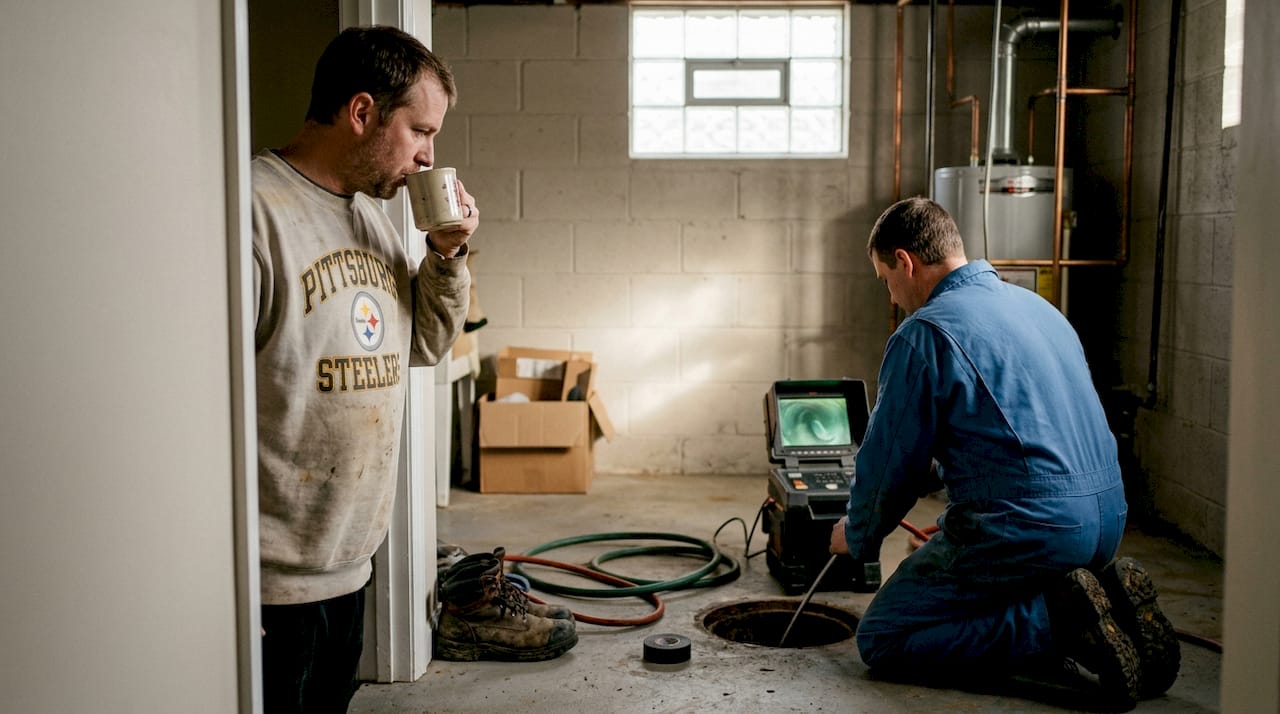
A sewer camera inspection costing $150-500 provides the diagnostic foundation for smart repair decisions. Technicians insert a waterproof camera through your cleanout to record video of your entire sewer line. This reveals exact problem locations, severity, and pipe condition. Without this step, contractors guess at solutions and you risk paying for repairs that miss the actual issue.
Pro Tip: Schedule your camera inspection during dry weather. Heavy rain can fill pipes with water and obscure the camera view, forcing you to reschedule and delay repairs.
Knowing your baseline helps set realistic cost expectations. Pittsburgh’s challenging terrain, older housing stock, and permit requirements often push repair costs higher than national averages. Factor in potential yard restoration, driveway repairs, or landscaping costs when budgeting. Preparing adequately means gathering multiple quotes, verifying contractor licenses, and understanding your sewer cleanout location before work begins.
Key preparation steps include:
- Locate your sewer cleanout and ensure clear access for equipment
- Request detailed written estimates from three licensed contractors
- Verify contractors carry liability insurance and workers compensation
- Check references and recent customer reviews for quality verification
- Understand local permit requirements and who handles applications
Proper preparation prevents mid-project surprises that derail timelines and budgets. You’ll also avoid contractors who clear sewer line blockages temporarily without addressing underlying structural damage.
Choosing the right sewer line repair: methods and cost overview
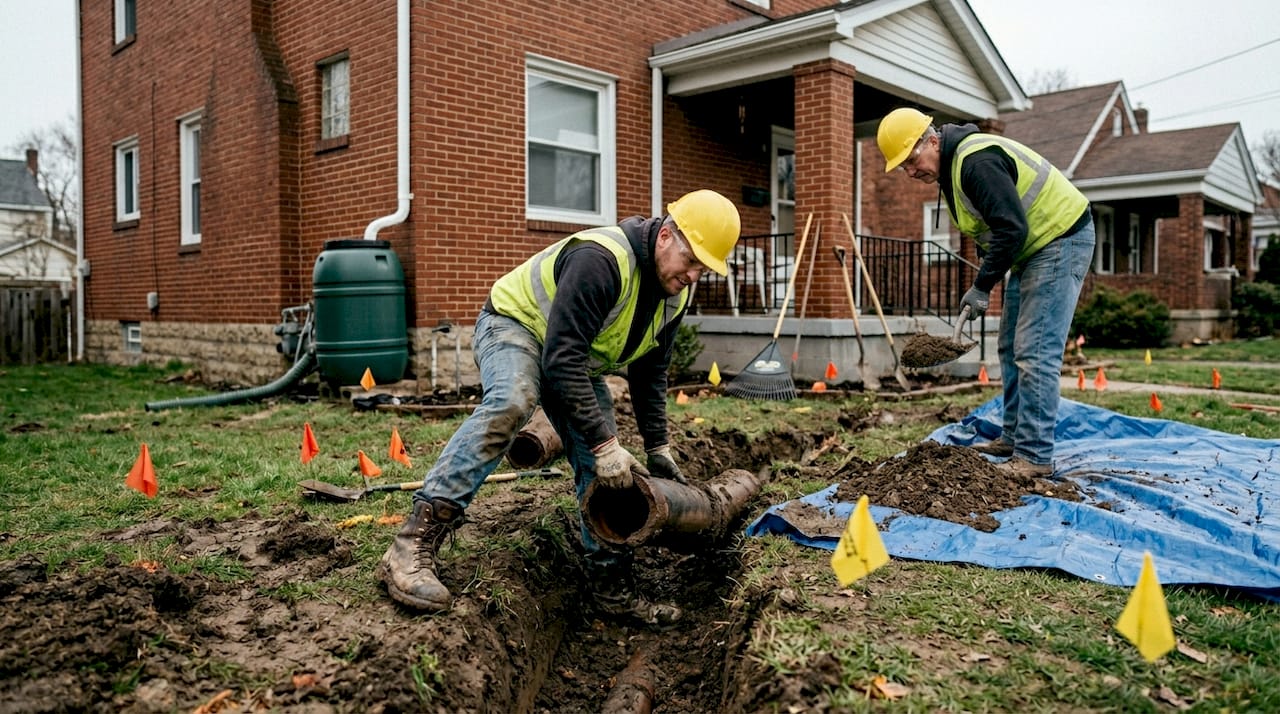
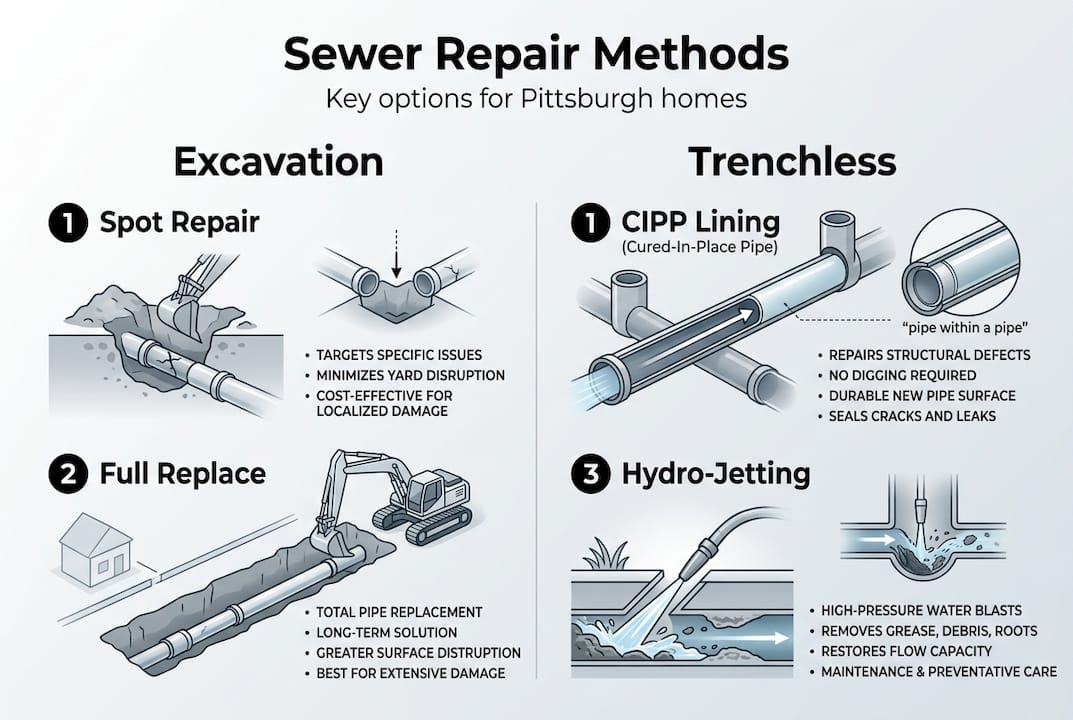
Spot repairs target specific damaged sections by excavating and replacing only the affected pipe segment. This method works well for isolated cracks or small root intrusions but requires digging trenches that disrupt your yard. Pittsburgh sewer repair costs for spot repairs typically run $7,000 to $12,000 depending on depth, access difficulty, and restoration needs. You’ll face higher costs if the damaged section sits under driveways or mature landscaping.
CIPP lining offers a trenchless alternative that inserts an epoxy-saturated liner through your existing pipe, then inflates and cures it to form a new pipe within the old one. This method costs $6,000 to $13,000 and causes minimal yard disruption since technicians work through existing cleanouts. CIPP liners last 50+ years when properly installed, making them cost-effective for pipes with multiple problem areas. The catch: CIPP requires relatively intact host pipes and won’t work on completely collapsed sections.
Hydro-jetting blasts away blockages using high-pressure water streams at 3,000 to 4,000 PSI. This cleaning method costs $600 to $1,200 and effectively removes roots, grease, and debris buildup. However, hydro-jetting doesn’t repair structural damage like cracks or bellies. Think of it as a maintenance tool or temporary fix rather than a permanent repair solution. Technicians often combine hydro-jetting with other methods to clean pipes before lining or replacement.
Full pipe replacement involves excavating your entire sewer lateral and installing new PVC or ABS pipe with proper slope and grade. This comprehensive approach costs $4,000 to $20,000+ depending on length, depth, and site conditions. Pittsburgh’s hilly terrain and rocky soil frequently push costs toward the higher end. Replacement makes sense for severely damaged pipes, frequent recurring problems, or when you want guaranteed long-term reliability.
Pro Tip: Request a post-repair camera inspection as part of your contract. This verifies proper installation and catches issues while contractors still have equipment on site.
| Repair Method | Cost Range | Typical Lifespan | Best For |
|---|---|---|---|
| Spot Repair | $7,000-$12,000 | 20-30 years | Single damaged section |
| CIPP Lining | $6,000-$13,000 | 50+ years | Multiple problem areas |
| Hydro-Jetting | $600-$1,200 | Temporary | Blockage removal only |
| Full Replacement | $4,000-$20,000+ | 50-100 years | Severe damage, peace of mind |
Choosing the right method balances severity, budget, disruption tolerance, and long-term value. A camera inspection revealing three separate root intrusions over 60 feet of pipe suggests CIPP lining rather than multiple spot repairs. Conversely, one cracked section in otherwise sound pipe makes spot repair economical. Discuss your sewer repair process options thoroughly with contractors who review inspection footage with you.
Consider these factors when deciding:
- Extent and location of damage throughout your sewer line
- Age and material of existing pipe (clay, cast iron, PVC)
- Access challenges like mature trees, driveways, or steep slopes
- Your budget and financing options for different repair scales
- How long you plan to stay in your current home
Quality sewer repair services provide detailed comparisons showing why they recommend specific methods for your situation.
Step-by-step sewer line repair process and post-repair verification
Successful sewer repairs follow a systematic workflow that protects your investment and ensures lasting results. Understanding each phase helps you monitor contractor performance and catch potential problems early.
-
Conduct professional camera inspection. Technicians insert a CCTV camera through your cleanout to record the entire sewer line condition. This footage documents problem locations, pipe material, diameter, and depth. Request a copy of this video for your records and future reference. The inspection also verifies your pipe diameter matches permit applications and helps contractors plan equipment needs.
-
Review repair options and select method. Your contractor should walk through inspection findings, explain why certain methods work better for your specific damage pattern, and provide detailed written estimates. Ask about warranties, timeline, permit handling, and what your property will look like during and after work. This discussion phase prevents misunderstandings that cause disputes later.
-
Execute chosen repair following standards. Quality contractors obtain necessary permits, call 811 for utility locates, and follow manufacturer specifications exactly. For CIPP lining, this means proper pipe cleaning, correct resin mixing, adequate curing time, and maintaining specified temperatures. Full replacements require proper bedding, correct pipe slope, secure joints, and backfill compaction. Monitor progress and ask questions if you notice shortcuts.
-
Perform post-repair CCTV verification. Post-repair CCTV inspection confirms repairs meet quality standards and function properly. This step catches installation flaws like incomplete CIPP adhesion, wrinkled liners, or improper slope in replacements. Insist on this inspection before making final payment. Reputable contractors include it automatically because they stand behind their work.
Avoid these common mistakes that compromise repair quality:
- Skipping initial camera inspection and guessing at problems
- Choosing contractors solely on lowest bid without checking credentials
- Accepting repairs without post-work CCTV verification
- Ignoring warning signs like incomplete curing or rushed installation
- Failing to get written warranties covering materials and labor
Quality sewer repairs require proper diagnosis, skilled execution, and thorough verification. Cutting corners on any phase risks expensive failures within months of supposedly completed work.
Your involvement matters throughout the process. Visit the work site daily, take photos documenting progress, and maintain communication with your project manager. This attention signals you’re an informed customer who expects professional standards. Quality sewer repair services welcome engaged homeowners because transparency builds trust. If you encounter issues during repairs, reference our plumbing troubleshooting steps for guidance on addressing concerns professionally.
Maintenance tips and protection plans to safeguard your sewer line
Regular maintenance extends your sewer line lifespan and prevents emergency repairs that cost three times more than planned work. Professional drain cleaning every 18 to 24 months removes root tendrils before they crack pipes and clears grease buildup that causes blockages. This proactive approach costs $200 to $400 but protects your $10,000+ sewer investment.
Watch for these warning signs indicating developing sewer problems:
- Multiple drains running slowly throughout your home simultaneously
- Gurgling sounds from toilets when running washing machines or showers
- Sewage odors near floor drains or in your basement
- Wet spots or unusually lush grass patches above your sewer line
- Frequent backups requiring plunging or snaking
These symptoms often appear months before complete failure. Addressing them early through camera inspection and targeted maintenance prevents catastrophic backups and water damage.
Pro Tip: Plant only shallow-rooted ground cover within 10 feet of your sewer line. Trees like willows, poplars, and maples send aggressive roots seeking water and nutrients inside sewer pipes.
Insurance rarely covers sewer line repairs since standard homeowner policies exclude maintenance and wear-related damage. Service line protection programs like Oncourse ($9.45/month) or HomeServe provide coverage specifically for sewer and water line repairs. These programs typically cover repair costs up to $10,000 per incident after small deductibles, making expensive emergencies manageable.
| Maintenance Action | Frequency | Typical Cost | Primary Benefit |
|---|---|---|---|
| Professional drain cleaning | Every 18-24 months | $200-$400 | Prevents root damage and blockages |
| Camera inspection | Every 3-5 years | $150-500 | Catches problems before failure |
| Service line protection | Monthly premium | $9-15/month | Covers emergency repair costs |
| Proper disposal habits | Daily | Free | Prevents blockages and damage |
Protect your sewer line through smart daily habits:
- Never flush wipes, feminine products, or paper towels regardless of packaging claims
- Avoid pouring grease, oils, or food scraps down kitchen drains
- Use drain screens to catch hair and debris before they enter pipes
- Run cold water when using garbage disposals to solidify grease
- Schedule professional inspections before selling your home
These simple practices cost nothing but prevent thousands in repair bills. Understanding the benefits of regular drain cleaning helps you prioritize this maintenance in your home care budget. When you need professional help, reliable drain cleaning services provide thorough maintenance that protects your investment.
Trusted sewer line repair and plumbing services in Pittsburgh
When sewer problems threaten your home’s comfort and safety, you need experienced professionals who understand Pittsburgh’s unique plumbing challenges. AG Heating, Cooling & Plumbing brings 30 years of expertise to every sewer repair project, combining advanced diagnostic tools with proven repair techniques.
Our team performs comprehensive camera inspections to diagnose issues accurately, then explains your repair options in plain language without pressure tactics. We handle everything from routine maintenance to complex sewer replacements, always following manufacturer specifications and local codes. Our reliable sewer repair services include post-repair verification to confirm quality results.
Flexible scheduling accommodates your busy life, and our transparent pricing means no surprise charges. We offer free estimates that detail exactly what work your situation requires and why. Whether you need emergency repairs or planned maintenance, our licensed technicians deliver solutions that protect your home’s plumbing reliability. Contact us today for comprehensive plumbing repair services backed by decades of local experience. Request your free estimate to get started.
Frequently asked questions
How much does sewer line repair typically cost in Pittsburgh?
Sewer repair costs vary widely based on method and scope. Camera inspections run $150 to $500, hydro-jetting costs $600 to $1,200, CIPP lining ranges from $6,000 to $13,000, spot repairs cost $7,000 to $12,000, and full replacements can reach $4,000 to $20,000 or more depending on length and site conditions.
What is the usual timeline for sewer line repairs?
Simple hydro-jetting takes one day, spot repairs require two to four days including excavation and restoration, CIPP lining typically completes in one to two days, and full replacements span three to seven days depending on length and complexity. Weather and permit delays can extend these timelines.
Does homeowner insurance cover sewer line repairs?
Standard homeowner policies typically exclude sewer line repairs, considering them maintenance rather than sudden damage. Service line protection programs specifically cover these repairs for monthly premiums around $9 to $15. Review your policy or consider adding specialized coverage before problems arise.
How can I prepare my home before sewer line repair starts?
Clear access to your sewer cleanout and work areas, move vehicles from driveways if excavation is needed, protect valuable landscaping you want preserved, arrange alternative bathroom access if needed, and notify neighbors about potential disruption. Discuss specific preparation steps with your contractor during planning.
What maintenance helps prevent sewer line problems?
Schedule professional drain cleaning every 18 to 24 months, avoid flushing anything except toilet paper and waste, never pour grease down drains, use drain screens to catch debris, plant only shallow-rooted plants near sewer lines, and arrange camera inspections every three to five years to catch problems early.
Recommended
- Reliable Sewer Repair Services in Pittsburgh, PA
- Examples of plumbing repairs Pittsburgh homeowners need – AG-Plumbing
- What is a sewer cleanout? Pittsburgh homeowner guide 2026 – AG-Plumbing
- Understanding the Sewer Repair Process From Start to Finish – AG-Plumbing
