
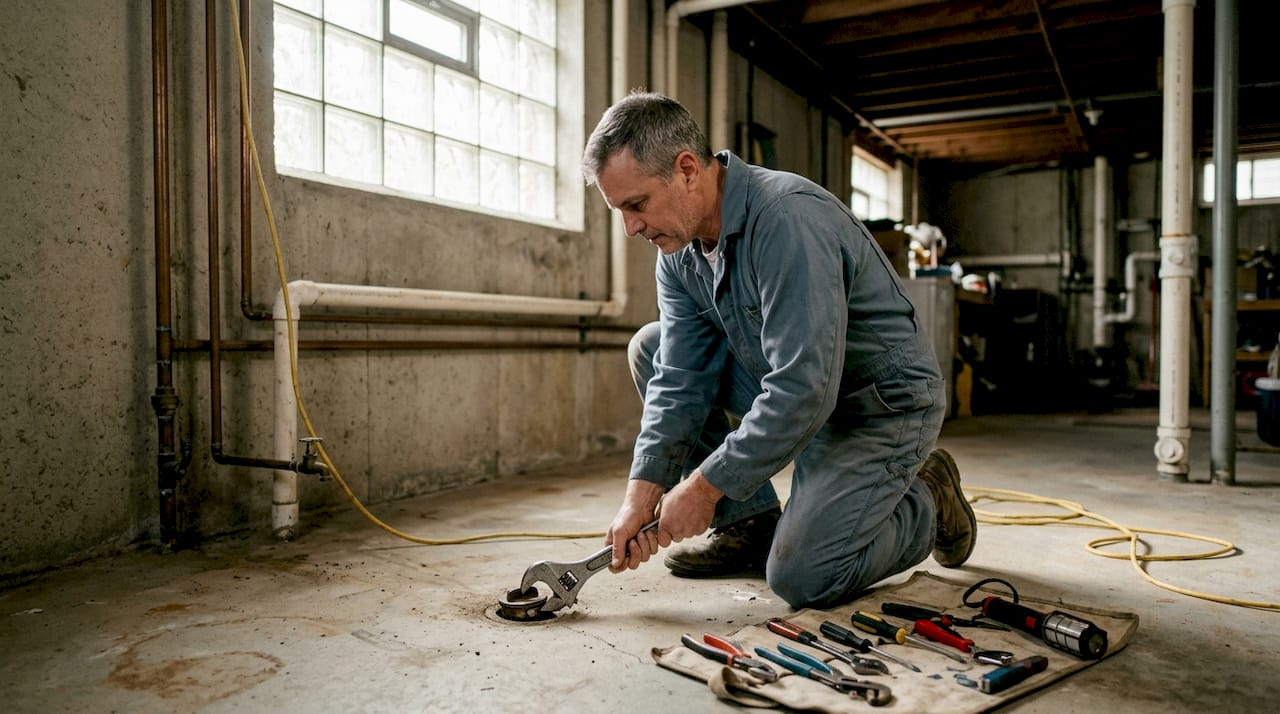
When your drains back up, the fix doesn’t always mean tearing apart walls or digging up your entire yard. Many Pittsburgh homeowners face expensive plumbing emergencies without realizing a simple access point called a cleanout could solve the problem faster and cheaper. Cleanouts are capped pipes that give plumbers direct entry to your sewer and drain lines, making blockage removal, inspections, and maintenance straightforward. This guide explains what cleanouts are, how they work, where to find them in your Pittsburgh home, and why they matter for preventing costly repairs.
Table of Contents
- Key takeaways
- What are plumbing cleanouts and how do they work?
- How plumbers use cleanouts to maintain and repair your plumbing
- Locations and maintenance tips for Pittsburgh homeowners
- The importance of cleanouts for preventing major plumbing problems
- Professional plumbing services for Pittsburgh homeowners
- Frequently asked questions
Key Takeaways
| Point | Details |
|---|---|
| Direct access to lines | A cleanout provides a capped entry that allows quick blockage removal and inspections without dismantling fixtures. |
| Time and cost saver | Using a cleanout avoids removing toilets or cutting walls, reducing labor hours and repair costs. |
| Where to find them | Cleanouts are usually near foundations or basements and can sit at property lines, and in older homes caps may be buried or painted over. |
| Safety and maintenance | Keep cleanout caps tight and intact to prevent sewer gas leaks and related plumbing issues. |
What are plumbing cleanouts and how do they work?
A cleanout is a capped access point in your plumbing system providing direct entry to drain and sewer lines for clearing blockages, inspections, and maintenance without dismantling fixtures. Instead of removing toilets or cutting into walls, plumbers simply unscrew the cap and insert their tools. This design saves hours of labor and keeps your home intact during repairs.
Most residential cleanouts are 4-inch PVC or ABS pipes with threaded caps. The cap screws on tight to seal the system and prevent sewer gas from escaping. You’ll recognize them as round or square raised caps, usually white or black, sticking up a few inches from the ground or visible on basement walls. Some older Pittsburgh homes have metal cleanouts that may be painted over or buried under landscaping.
Cleanouts serve three essential functions that keep your plumbing running smoothly:
- Clearing blockages: Plumbers insert motorized augers or hydro-jetting equipment to break up clogs caused by grease, hair, roots, or debris
- Pipe inspections: Video cameras thread through cleanouts to identify damage, corrosion, or root intrusion before problems escalate
- Maintenance access: Routine cleaning prevents buildup that leads to backups, extending the life of your sewer lines
Why cleanouts save time and money becomes clear when you compare alternatives. Without a cleanout, plumbers must access your sewer line by removing toilets, cutting drywall, or excavating your yard. Each method adds labor hours and repair costs. A cleanout eliminates this extra work, turning a potential multi-day project into a few hours of focused service.
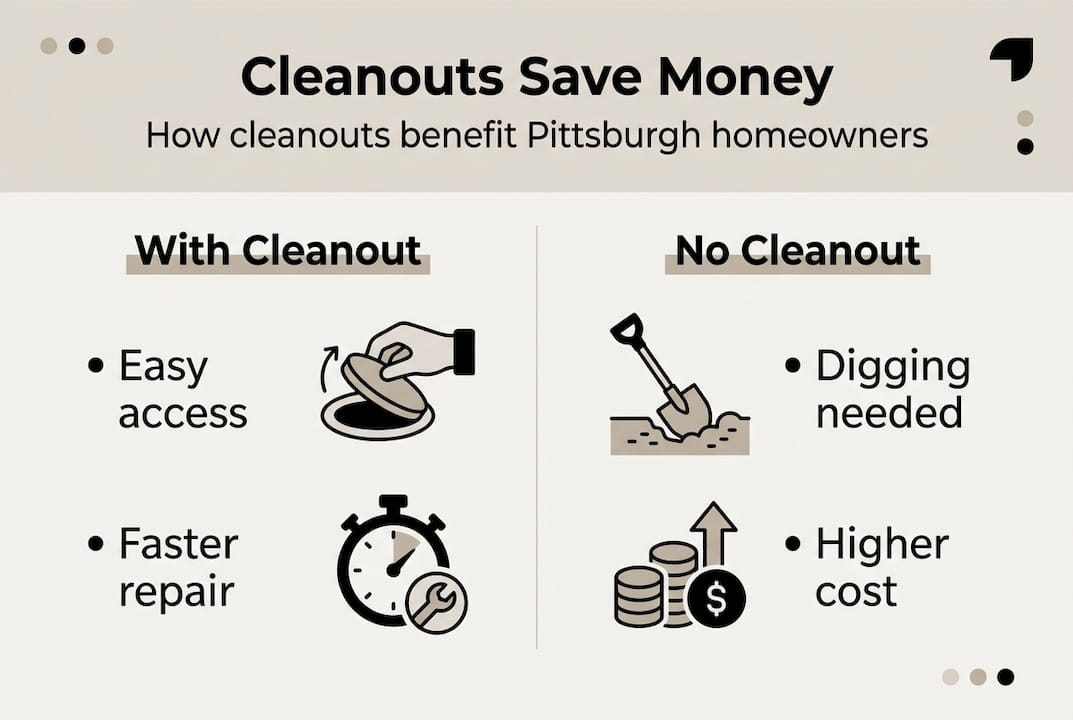
For more details on how cleanouts function in Pittsburgh homes, check out this sewer cleanout Pittsburgh guide. Understanding your system’s access points helps you communicate better with plumbers and make informed decisions during emergencies.
Pro Tip: Never force a stuck cleanout cap or insert DIY augers without professional guidance. Cracked caps leak sewer gas, and improper augering can puncture pipes, creating expensive damage that far exceeds the cost of calling a licensed plumber.
How plumbers use cleanouts to maintain and repair your plumbing
Professional plumbers follow a systematic approach when using cleanouts to diagnose and fix plumbing issues. The process starts with removing the cap and inserting tools like motorized augers, hydro-jetting equipment producing 3,000 to 4,000 PSI, or cameras through the cleanout to clear clogs, inspect pipes, or relieve pressure during backups. Each method targets specific problems and delivers results that homeowners can’t achieve with store-bought chemicals.
Here’s how a typical cleanout service unfolds:
- Assessment: The plumber locates your cleanout, removes the cap, and evaluates the situation by checking for standing water or visible debris
- Tool selection: Based on the clog type, they choose between snaking for simple blockages, hydro-jetting for stubborn buildup, or camera inspection for diagnostic work
- Execution: The chosen tool threads through the cleanout into your sewer line, breaking up clogs or mapping pipe conditions
- Verification: After clearing the blockage, plumbers test water flow and may run a camera to confirm the line is clean
- Sealing: They replace the cap securely to restore your system’s integrity and prevent gas leaks
Different methods handle different challenges effectively:
- Snaking: A motorized cable with a cutting head rotates through pipes, slicing through hair, grease, and soft debris; best for routine clogs
- Hydro-jetting: High-pressure water blasts away years of buildup, tree roots, and mineral deposits; ideal for severe blockages or preventive maintenance
- Camera inspection: A waterproof camera reveals pipe damage, root intrusion, or structural issues without excavation; essential for diagnosing recurring problems
Cost considerations matter when planning plumbing services. According to industry data, hydro-jetting costs $250 to $800, snaking runs $100 to $275, and camera inspection ranges from $100 to $400. These prices reflect the complexity of each service and the equipment required. Hydro-jetting delivers the most thorough cleaning but costs more due to specialized machinery and operator expertise.
Cleanouts help plumbers target a wide range of clogs efficiently. Grease accumulation from kitchen drains, tree roots seeking moisture in sewer lines, and debris like wipes or hygiene products all respond to cleanout access. Without this entry point, clearing these same clogs would require digging up your yard or cutting into walls, multiplying costs and disruption.
Pro Tip: Schedule routine camera inspections through your cleanout every few years to catch root damage early. Small roots are easy to remove, but once they spread through your pipes, you’re facing thousands in replacement costs instead of a few hundred for preventive clearing.
For professional service that uses cleanouts to protect your home, explore our drain cleaning service or learn about various drain cleaning methods Pittsburgh plumbers use to keep your system flowing.
Locations and maintenance tips for Pittsburgh homeowners
Finding your cleanout is the first step in managing your plumbing proactively. Typical cleanout placement includes outdoors near the foundation 3 to 5 feet from your home, at the property line where your sewer connects to the municipal system, or in basements and garages for homes built on slabs. Each location serves a strategic purpose, giving plumbers access to different sections of your drain system.
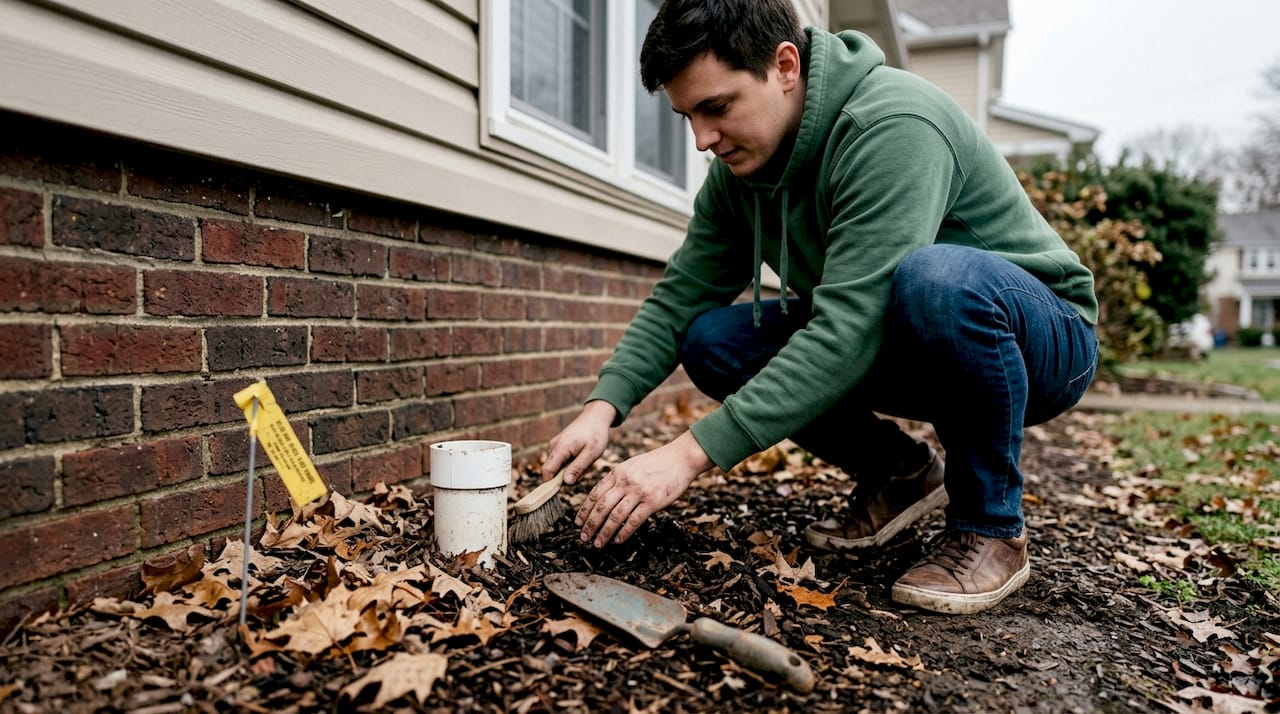
Older Pittsburgh homes present unique challenges. Many properties built before modern plumbing codes have cleanouts buried beneath dirt, mulch, or overgrown landscaping. Homeowners discover these hidden access points only during emergencies when plumbers dig around foundations searching for entry. If you’ve lived in your home for years without seeing a cleanout, it’s worth investigating likely spots before you need urgent service.
Allegheny County enforces specific regulations that affect cleanout installation and maintenance. Local codes require permits and inspections for new cleanout installations or modifications to existing systems. When hiring a plumber for cleanout work, verify they pull proper permits and schedule county inspections. This compliance protects your home’s value and ensures work meets safety standards.
Pittsburgh homeowners should check for cleanouts near foundations or in basements, especially in older homes that may have house traps requiring licensed plumber evaluation through the Allegheny County directory. House traps are U-shaped pipes that can complicate cleanout access, making professional assessment essential.
Maintaining your cleanout access prevents emergencies and extends your plumbing’s lifespan:
- Keep the area clear: Trim bushes, remove mulch, and mark the cleanout location so you and plumbers can find it quickly
- Inspect caps annually: Check for cracks, corrosion, or loose threads that could leak sewer gas into your yard
- Open caps sideways during backups: If sewage backs up into your home, carefully opening the outdoor cleanout cap releases pressure and diverts flow outside instead of flooding your basement
- Avoid DIY chemicals: Harsh drain cleaners damage pipes and create toxic fumes when mixed with standing water in cleanouts
Pro Tip: Mark your cleanout location on your property survey or take a photo with landscape references. During winter or when landscaping changes, you’ll know exactly where to direct plumbers without wasting time searching.
Here’s a comparison of cleanout locations and maintenance needs specific to Pittsburgh properties:
| Location | Inspection frequency | Pittsburgh-specific notes |
|---|---|---|
| Outdoor near foundation | Annual | Often buried under mulch in older neighborhoods; check after landscaping work |
| Property line | Every 2 years | May require coordination with municipal access; verify ownership responsibility |
| Basement or garage | Annual | Common in slab homes; easier access but watch for floor drain confusion |
| Buried/hidden | Immediate location mapping | Prevalent in pre-1970s Pittsburgh homes; consider professional cleanout installation if missing |
For detailed guidance on finding and using your Pittsburgh cleanout, visit our Pittsburgh cleanout locations resource. Regular attention to cleanout maintenance pays dividends by preventing the need for emergency excavation and keeping your plumbing accessible for routine care. Learn more about regular drain cleaning benefits that cleanouts make possible.
The importance of cleanouts for preventing major plumbing problems
Cleanouts transform plumbing repairs from invasive ordeals into manageable maintenance tasks. When plumbers can access your sewer line directly, they complete work faster, with less disruption, and at significantly lower cost. This access point prevents the cascade of damage that occurs when blockages go unaddressed, protecting your home’s foundation, landscaping, and interior from sewage backups.
Two-way cleanouts allow bi-directional access and testing, while routine camera inspections prevent root intrusion, and proper cap maintenance stops gas leaks. These features make cleanouts essential for long-term plumbing health. Bi-directional access means plumbers can clear clogs from either direction, reaching stubborn blockages that single-entry cleanouts might miss.
Cost comparisons reveal the financial impact of cleanout access:
| Service type | With cleanout | Without cleanout | Savings |
|---|---|---|---|
| Routine drain cleaning | $100-$275 | $400-$800 (includes fixture removal) | Up to 72% |
| Hydro-jetting | $250-$800 | $1,200-$2,500 (includes excavation) | Up to 68% |
| Camera inspection | $100-$400 | $500-$1,000 (limited access) | Up to 60% |
| Emergency backup | $200-$600 | $1,500-$4,000 (includes cleanup) | Up to 85% |
National statistics show drain cleaning averages $242, with main line service costing $200 to $800 when cleanouts exist, while installation of two-way cleanouts runs $1,400 to $3,500 as a one-time investment. That installation cost pays for itself after just two or three major service calls that would otherwise require excavation.
Regional factors affect Pittsburgh homeowners specifically. Commercial properties experience 67% clog rates, and Northeast properties face 20% to 40% higher costs due to older infrastructure, harsh winters, and tree root prevalence. Pittsburgh’s mature tree canopy and aging sewer systems make cleanout access even more valuable than in newer developments.
Regular maintenance through cleanouts delivers measurable benefits:
- Prevents root intrusion: Annual or biannual inspections catch roots before they crack pipes, avoiding $5,000 to $15,000 replacement costs
- Extends pipe lifespan: Removing buildup reduces corrosion and pressure on aging pipes, adding decades to their service life
- Protects property value: Documented cleanout maintenance reassures buyers that plumbing has been professionally cared for
- Reduces emergency calls: Proactive cleaning prevents 90% of backup emergencies that occur at inconvenient times
- Enables accurate diagnosis: Camera access identifies problems before they become catastrophic, allowing planned repairs instead of crisis response
The difference between proactive cleanout maintenance and reactive emergency service is stark. Homeowners who schedule annual cleanout inspections spend an average of $200 to $400 per year on preventive care. Those who skip maintenance face emergency service averaging $1,500 to $4,000 when backups occur, plus potential damage to flooring, drywall, and belongings from sewage overflow.
For comprehensive protection against major plumbing failures, understand how to prevent major plumbing problems through regular maintenance. The importance of drain cleaning becomes clear when you calculate the cost of prevention versus the price of emergency repairs and property damage.
Professional plumbing services for Pittsburgh homeowners
Pittsburgh’s unique plumbing challenges require experienced professionals who understand local codes, aging infrastructure, and seasonal demands. Our team brings 30 years of industry expertise to every cleanout inspection, drain cleaning, and sewer repair. We’re licensed and familiar with Allegheny County requirements, ensuring your plumbing work meets all regulatory standards while protecting your home and investment.
When you need reliable plumbing service that uses cleanout access to save you time and money, we deliver solutions tailored to Pittsburgh homes. Our services include expert cleanout inspections that identify hidden issues before they escalate, professional hydro-jetting that clears decades of buildup, camera diagnostics that pinpoint problems without guesswork, and emergency repairs that restore your plumbing quickly.
Key services that keep your cleanouts and plumbing system functioning properly:
- Cleanout location and installation for homes missing proper access points
- Annual maintenance inspections through existing cleanouts
- Hydro-jetting and snaking for all types of blockages
- Video camera diagnostics to map your sewer system
- Cap replacement and gas leak prevention
- Emergency backup response with cleanout access
Timely professional service prevents small issues from becoming expensive disasters. A $200 inspection today can save you $5,000 in emergency excavation next year. Our team responds quickly, works efficiently through your cleanouts, and leaves your property cleaner than we found it.
Explore our full range of heating cooling & plumbing services Pittsburgh residents trust, or contact us directly for plumbing repair services Pittsburgh homeowners rely on. Our specialized drain cleaning services Pittsburgh team uses cleanout access to deliver superior results at fair prices.
Frequently asked questions
What is a cleanout in plumbing?
A cleanout is a capped pipe that provides direct access to sewer or drain lines for clearing blockages and inspections. It prevents the need to dismantle plumbing fixtures for maintenance. This simple access point saves hours of labor and keeps your home intact during repairs.
Where can I find the cleanout on my Pittsburgh property?
Common locations include near the foundation, property line, basement, or garage. Older homes may have buried cleanouts often under mulch or dirt. Check likely spots before emergencies occur so you can direct plumbers quickly. For detailed location guidance, see our Pittsburgh cleanout locations resource.
How often should cleanout caps be inspected or maintained?
Annually is recommended to ensure caps are sealed and access is clear. Regular professional checkups help detect leaks and prevent gas infiltration or clogs. This simple yearly task protects your home from sewer gas exposure and keeps your cleanout ready for emergency use. Learn more about cleanout and drain maintenance schedules.
Can I use cleanouts for routine drain cleaning or just emergencies?
Cleanouts are valuable for routine maintenance as well as emergencies. Avoid using them as substitutes for floor drains or putting harsh chemicals through them. Professional cleanout service prevents problems before they become urgent, saving you money and stress. Schedule professional drain cleaning services through your cleanout to maintain optimal flow year-round.
Recommended
- Why regular drain cleaning protects Pittsburgh homes – AG-Plumbing
- What is a sewer cleanout? Pittsburgh homeowner guide 2026 – AG-Plumbing
- Maximize bathroom comfort: role of plumbing in Pittsburgh 2026 – AG-Plumbing
- Top 7 Plumbing Services in 2026 for Homeowners in Pittsburgh, PA – AG-Plumbing
