
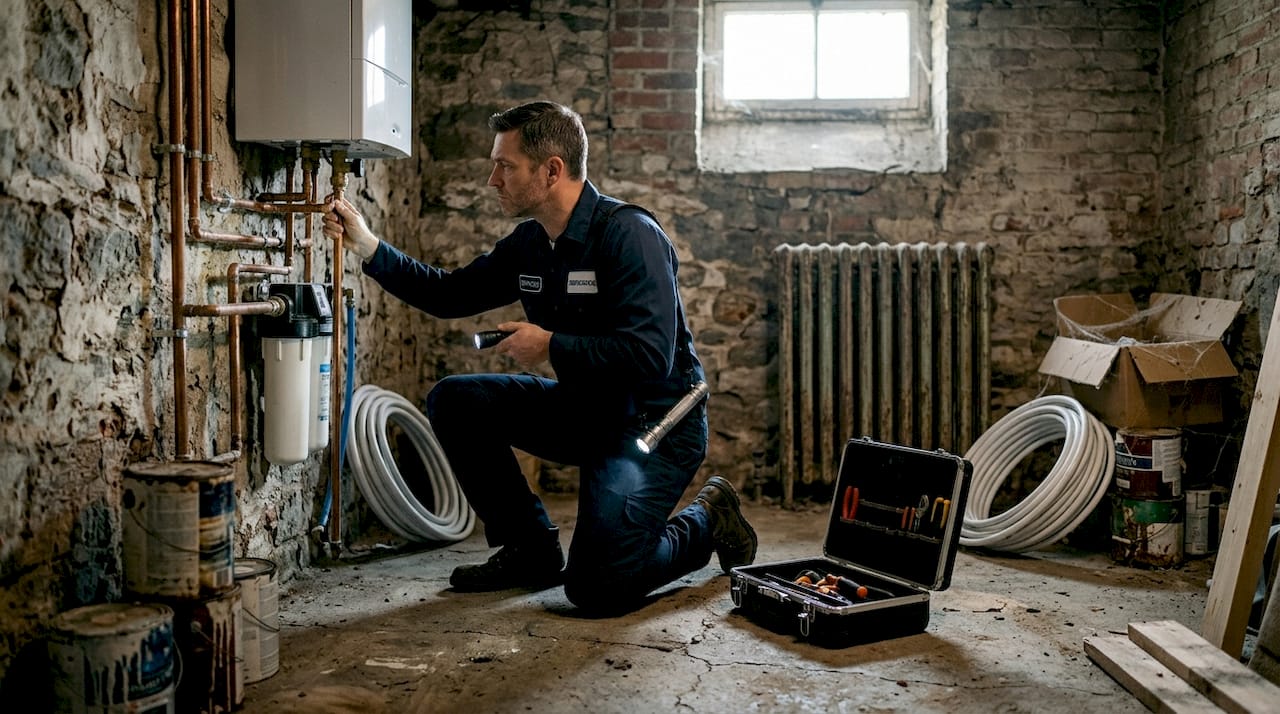
A slow drip behind your wall. A faint musty smell in the basement. A water bill that crept up $40 last month. These small signals are easy to dismiss, but in Pittsburgh homes, they often point to something much bigger. Plumbing problems rarely announce themselves loudly. They build quietly, and by the time you notice visible damage, the repair bill has already grown. Recognizing the warning signs early is the single most effective thing you can do to protect your home and your wallet. This guide breaks down exactly what to look for, what causes it, and how urgently you need to act.
Table of Contents
- Common symptoms of plumbing problems in Pittsburgh homes
- Hidden and advanced plumbing problem indicators
- Comparing common causes of plumbing problems
- Which signs are emergencies versus routine repairs?
- The problem with ignoring early warning signs
- Get expert plumbing help in Pittsburgh, PA
- Frequently asked questions
Key Takeaways
| Point | Details |
|---|---|
| Early warning signs | Unexplained water bills, unusual noises, and damp spots often signal underlying plumbing issues. |
| Hidden dangers | Mold smells, wall discoloration, and frequent clogs can point to serious or developing leaks. |
| Root causes | Common problems stem from aging pipes, root intrusion, and mineral buildup in Pittsburgh homes. |
| When to act fast | Burst pipes, sewer backups, and flooding require immediate professional help to prevent extensive damage. |
| Prevention pays off | Regular inspections and fast repairs can save thousands in long-term plumbing costs. |
Common symptoms of plumbing problems in Pittsburgh homes
Now that you know what’s at stake, let’s explore the most telling signals a plumbing issue may be brewing in your home. Pittsburgh’s housing stock is a mix of century-old rowhouses and newer construction, which means plumbing systems vary widely in age and condition. That variety increases the risk that problems go unnoticed until they become serious.
Here are the most common warning signs to watch for:
- Unexplained spikes in your water bill with no change in usage
- Damp spots or staining on walls, ceilings, or floors
- Slow drainage in sinks, tubs, or showers
- Recurring clogs that keep coming back after clearing
- Odd noises like banging, gurgling, or whistling from pipes
- Low water pressure throughout the home or in specific fixtures
These are the common plumbing issues that our team sees most often across Pittsburgh neighborhoods. The tricky part is that many leaks are hidden inside walls or underground, and they go unnoticed until costly damage has already occurred. Water leaks account for roughly 30% of all water loss in Pennsylvania homes, which means a significant portion of what you’re paying for never reaches your faucet.
Pro Tip: Turn off all water-using appliances and check your water meter. If the dial is still moving, you likely have a hidden leak somewhere in the system.
“Most homeowners don’t realize they have a leak until they see the bill. By then, water has often been escaping for weeks.” The EPA water leak facts confirm that household leaks waste nearly 1 trillion gallons of water annually across the country.
For a structured approach to diagnosing these issues yourself, plumbing troubleshooting steps can help you narrow down the source before calling a pro.
Hidden and advanced plumbing problem indicators
After recognizing the obvious signs, it’s crucial to know the subtler clues that could signal a more serious underlying problem. These are the ones that tend to get ignored the longest, especially in older Pittsburgh homes where plaster walls and finished basements can hide moisture for months.
Watch for these less obvious red flags:
- Mildew or musty smells with no visible source of moisture
- Wall discoloration or bubbling paint that seems to come and go
- Warped or soft flooring, especially near bathrooms or kitchens
- Continuous sound of running water when nothing is turned on
- Drain flies appearing near sinks or floor drains
- Recurring wet patches in your yard with no recent rainfall
According to the hidden leak identification resources from HGTV, 1 in 10 American homes experience water leaks that waste at least 90 gallons per day. That’s not a drip. That’s a serious loss happening silently inside your home.
Minor leaks or moisture buildup can escalate into structural issues if left undetected. This is especially true in Pittsburgh’s older housing stock, where moisture behind plaster walls can compromise wood framing before you ever see a stain.
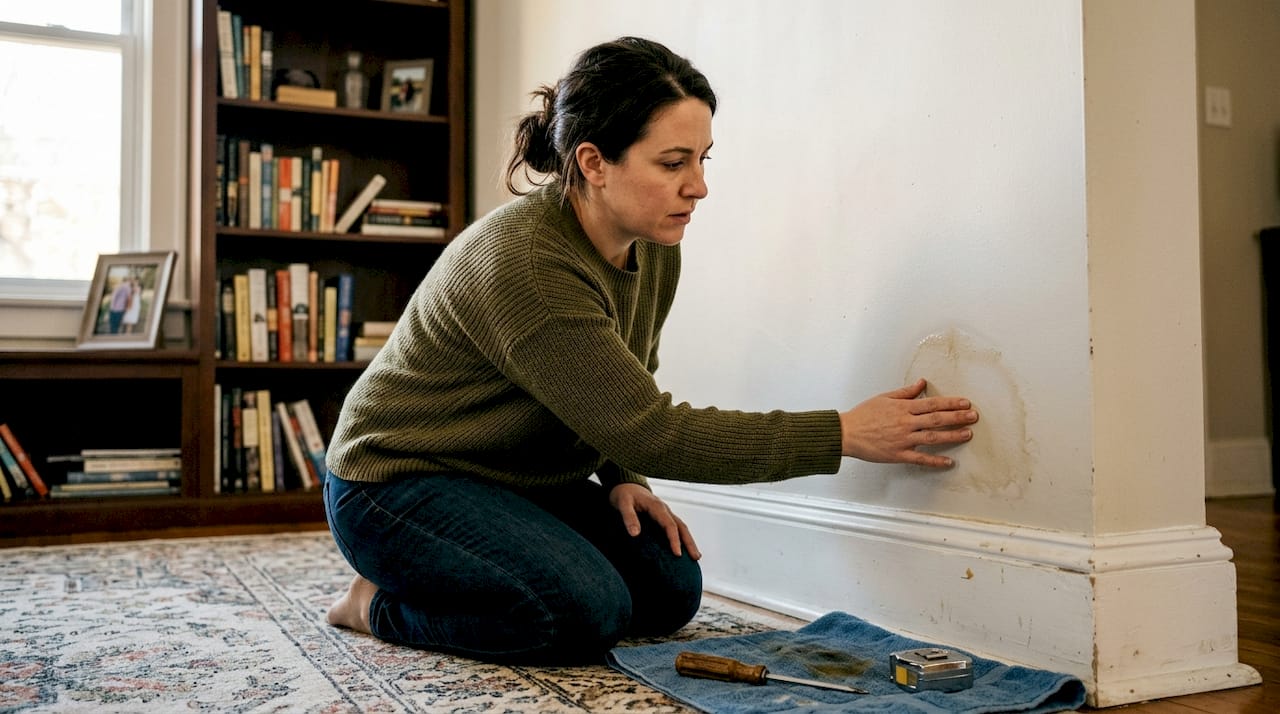
Pro Tip: Use a flashlight to inspect exposed pipe joints in your basement or crawl space. Look for condensation, white mineral deposits, or any sign of “sweating” on the pipe surface. These are early indicators of a slow leak.
If your water meter shows high usage but you can’t find an obvious source, don’t wait. Annual inspections are one of the most reliable ways to catch these hidden issues before they become structural problems.
Comparing common causes of plumbing problems
Knowing the warning signs is only part of the equation. It’s equally important to understand what’s causing them. In Pittsburgh, several root causes show up repeatedly, and each one produces a distinct pattern of symptoms.
Aging pipes, tree root infiltration, and hard water each contribute differently to plumbing failures. Here’s a breakdown of the most common culprits:
- Old galvanized or cast iron pipes: Corrode from the inside out, causing brown or discolored water and slow leaks
- Tree root infiltration: Roots seek moisture and can crack sewer lines, leading to slow drains and soggy outdoor areas
- Hard water mineral buildup: Scale accumulates inside pipes, reducing flow and causing frequent clogs
- Improper DIY repairs: Mismatched fittings or wrong materials create weak points that fail over time
- Shifting soil: Pittsburgh’s hilly terrain causes ground movement that can stress underground pipes
| Cause | Common symptoms | Potential consequence |
|---|---|---|
| Old pipes | Brown water, low pressure, leaks | Pipe failure, water damage |
| Tree roots | Slow drains, gurgling, wet yard | Sewer line collapse |
| Hard water | Frequent clogs, scale buildup | Reduced pipe lifespan |
| DIY repairs | Drips, joint failures | Mold, structural damage |
| Soil shifting | Cracked pipes, uneven flow | Underground leaks |
For a broader look at what is plumbing and how your system works as a whole, understanding the basics helps you ask better questions when something goes wrong. And if you’re seeing recurring symptoms despite repeated fixes, that’s a strong signal you need a professional evaluation rather than another temporary patch. The common plumbing causes outlined by HouseLogic reinforce that surface-level fixes rarely address the root issue.
Which signs are emergencies versus routine repairs?
Once the problem is spotted and understood, knowing how quickly you need to act can make all the difference. Not every plumbing issue demands a midnight call to a plumber, but some absolutely do.
Treat these as emergencies:
- Burst or actively leaking pipes near electrical panels or outlets
- Sewage backup into sinks, tubs, or floor drains
- Complete loss of water supply to the home
- Major leaks causing visible flooding or ceiling damage
- Gas line issues connected to water heater systems
These can typically be scheduled:
- Slow-draining sinks with no backup
- Minor dripping faucets
- Noisy pipes without pressure loss
- Small toilet running issues
| Type | Example | Recommended response time |
|---|---|---|
| Emergency | Burst pipe, sewage backup | Immediate, same hour |
| Urgent | Active leak, no water supply | Within 24 hours |
| Routine | Slow drain, dripping tap | Schedule within 1 to 2 weeks |
“Every minute counts during a plumbing emergency. Acting fast can save thousands in damage.”
Quick response to certain plumbing emergencies can prevent extensive property loss. Homeowners who delay often face not just higher repair costs, but insurance complications. Many policies require prompt action to limit damage, and delayed repairs can affect your claim. The plumbing emergency checklist from Family Handyman is a useful reference to keep bookmarked. For non-emergency issues, scheduling professional plumbing repair sooner rather than later still saves money compared to waiting for a small problem to grow.
The problem with ignoring early warning signs
Understanding what’s urgent is one thing. Consistently acting on these signs is where most homeowners trip up. After 30 years of working in Pittsburgh homes, we’ve seen the same pattern repeat itself: a homeowner notices something small, decides it can wait, and calls us six months later with a much bigger problem.
The math is not in your favor when you delay. A $200 pipe repair ignored for a season can turn into a $4,000 remediation project once mold sets in. Plumbing is out of sight, which makes it easy to treat as out of mind. But your pipes are working every single day, and wear accumulates whether you’re paying attention or not.
Annual inspections can prevent most plumbing disasters before they escalate. This is not a sales pitch. It’s a pattern we’ve observed consistently across thousands of service calls. The homes that get inspected regularly almost never face catastrophic failures.
Pro Tip: Set a recurring reminder every fall to schedule a plumbing inspection before Pittsburgh’s winter temperatures stress your pipes. Older homes built before 1970 benefit most from this habit.
The plumbing maintenance tips we share with homeowners always start with one principle: small, consistent attention beats expensive reactive repairs every time. If you own a home in Pittsburgh, that mindset is worth more than any single repair.
Get expert plumbing help in Pittsburgh, PA
If any of the warning signs in this article sound familiar, now is the right time to act. Small issues don’t fix themselves, and Pittsburgh winters are not forgiving to neglected plumbing systems.
At AG Heating, Cooling & Plumbing, we’ve spent 30 years serving Pittsburgh homeowners with fast, reliable plumbing repair services that address the root cause, not just the symptom. Whether you’re dealing with a slow drain, a suspicious water bill, or something that needs immediate attention, our team is ready to help. Don’t wait for a small drip to become a major disaster. Reach out today, and let’s make sure your home’s plumbing is in the shape it should be. For urgent situations, our emergency plumbing tips can help you take the right first steps while we’re on our way.
Frequently asked questions
What are the earliest signs of plumbing problems?
Early warnings include unexplained increases in water bills, persistent dripping sounds, and damp spots on walls or floors. Water leaks can cause significant hidden water loss before they become visible to the homeowner.
When should I call a plumber versus trying a DIY fix?
Call a plumber for emergencies like burst pipes, persistent leaks, or sewage backups. Minor clogs or dripping taps may be DIY-safe, but quick professional intervention can prevent costly damage when in doubt.
Are older Pittsburgh homes more likely to have plumbing issues?
Yes, older pipes are prone to leaks, corrosion, and blockages, especially in pre-1960s Pittsburgh houses. Aging piping systems are a leading cause of recurring plumbing issues in the region.
What should I do if I smell mold or musty odors?
A musty smell often indicates hidden leaks or moisture buildup. Inspect visible piping and consider scheduling a professional inspection, since moisture behind walls can create mold risks and damage structural elements.
How can I prevent recurring plumbing issues?
Regular inspections, prompt repair of leaks, and maintenance of drains and water pressure can greatly reduce future problems. Annual plumbing maintenance is key to long-term home protection.
Recommended
- Examples of plumbing repairs Pittsburgh homeowners need – AG-Plumbing
- Tips for hiring a plumber in Pittsburgh: 5 key criteria – AG-Plumbing
- Plumbing Maintenance Checklist: Prevent Costly Home Repairs – AG-Plumbing
- Same Day Plumbing in Pittsburgh: Cut Damage Costs 30% – AG-Plumbing
