
TL;DR:
- PVC piping is a versatile plastic material used mainly for drain, waste, and vent systems, with different schedules and types suited for specific applications. Proper installation relies on correct material selection, thorough priming, and solvent welding techniques to ensure long-lasting, leak-free joints. Avoid common mistakes by understanding code requirements and consulting professionals when necessary to prevent costly plumbing failures.
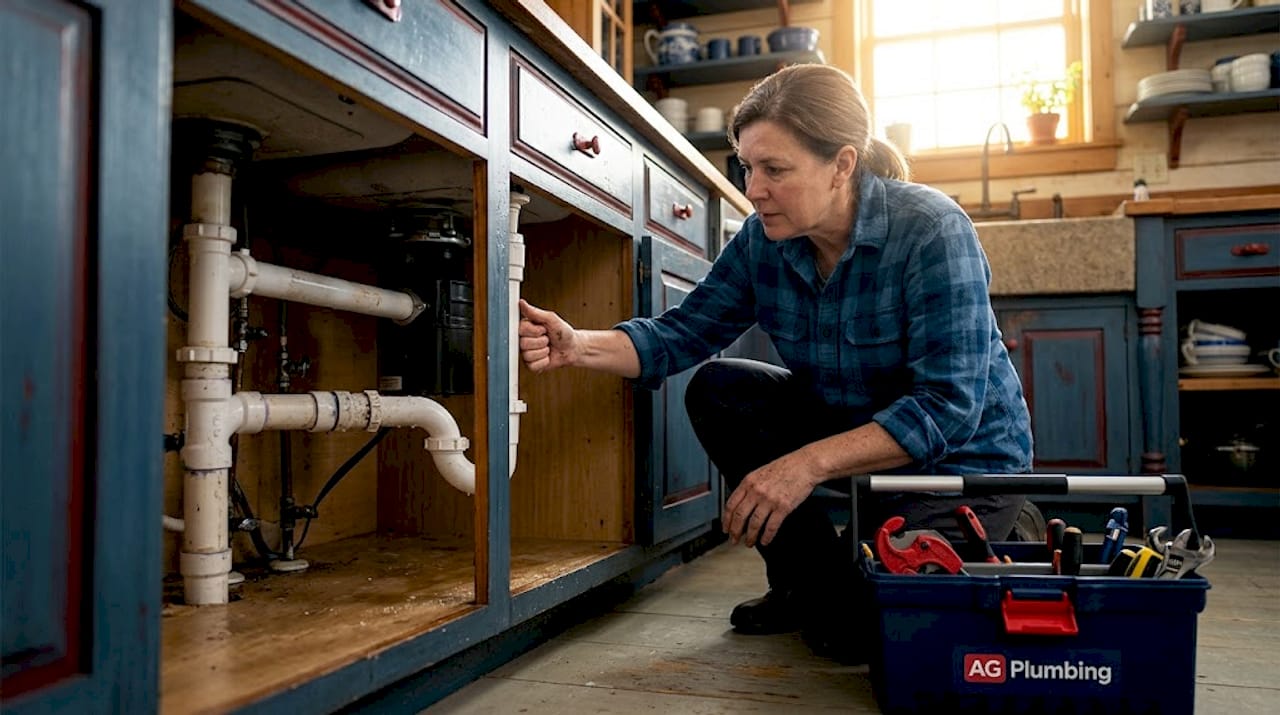
Walk into any home improvement store in Pittsburgh and you’ll find an entire aisle of white plastic pipe. Most homeowners grab whatever looks right, assume it’s all the same, and head home. That assumption can lead to leaking joints, failed inspections, or worse, a burst pipe behind a finished wall. PVC piping is not a one-size-fits-all solution, and understanding the difference between materials, schedules, and applications is what separates a successful DIY project from a costly repair call.
Table of Contents
- What is PVC piping in home plumbing?
- How PVC is used: drains, vents, pressure, and more
- Types of PVC pipe: Schedules, temperature, and material choices
- How PVC pipe is joined: Solvent cement and key installation tips
- What most DIYers miss about PVC piping
- Need help with your home’s plumbing?
- Frequently asked questions
Key Takeaways
| Point | Details |
|---|---|
| PVC defined | PVC is a durable plastic pipe, mostly used for drain, waste, and vent lines—not for hot water. |
| Temperature matters | Standard PVC is limited to 140°F; CPVC is required for hotter water. |
| Choose the right schedule | Use Schedule 40 for most drains and Schedule 80 for higher pressure, but temperature limits stay the same. |
| Proper joints are crucial | Correct use of primer and solvent cement makes connections reliable and leak-free. |
| Expert help available | When in doubt, consult a pro to avoid costly plumbing mistakes in your home. |
What is PVC piping in home plumbing?
PVC stands for polyvinyl chloride, and it’s one of the most common plumbing materials found in American homes. According to the PPFA PVC Pipe FAQ, “PVC piping refers to plumbing pipe made from polyvinyl chloride, a rigid plastic used to move water and wastewater in buildings and infrastructure.” That definition sounds simple, but the material itself has real nuance when it comes to residential plumbing.
What makes PVC so popular? A few core properties set it apart from older materials like cast iron or copper:
- Lightweight: PVC weighs far less than metal pipe, making it easier to handle, cut, and install without heavy tools.
- Corrosion-resistant: Unlike iron or steel, PVC does not rust or corrode, even when carrying wastewater.
- Affordable: It consistently costs less than copper, CPVC, or metal alternatives.
- Smooth interior surface: The smooth bore reduces friction, which means water and waste flow efficiently without buildup.
- Long service life: When properly installed, PVC pipe can last 50 to 100 years in drain and vent applications.
A critical point: Not all white plastic pipe is PVC. Homeowners frequently confuse PVC with CPVC (chlorinated polyvinyl chloride), PEX (cross-linked polyethylene), and ABS (acrylonitrile butadiene styrene). Each has a specific role in plumbing, and they are not interchangeable. ABS is typically black. CPVC looks nearly identical to PVC but handles higher temperatures. PEX is flexible and usually color-coded. Grabbing the wrong one off the shelf can mean code violations or premature failure.
PVC is primarily used for drain, waste, and vent (DWV) systems, along with certain cold-water supply applications. It is not suited for every job, and knowing where it fits, and where it doesn’t, is the foundation of every smart plumbing decision.
How PVC is used: drains, vents, pressure, and more
The way PVC is used in your home falls into two broad categories: gravity-flow systems and pressure systems. Each has different requirements, and the pipe must be rated correctly for its job.
As the PPFA notes, “PVC is commonly used for DWV (drain, waste, and vent) where it’s intended for gravity flow, and in pressure-rated systems when properly specified.” That distinction matters more than most homeowners realize.
DWV systems include:
- The drain line under your kitchen sink
- The main waste stack running through your home’s walls
- Toilet drain connections
- Vent pipes that exit through your roof to allow air into the system
These pipes don’t carry water under pressure. They rely on gravity and slope to move waste to the sewer or septic system. Because of this, standard PVC in DWV applications doesn’t need to be pressure-rated.
Pressure applications are a different story. Cold water supply lines, irrigation systems, and some outdoor water service lines do operate under pressure. For these, you need pressure-rated PVC, which is where Schedule 40 and Schedule 80 pipe come in. When choosing pipe materials for your Pittsburgh home, matching the pipe to the system type is step one.
Here’s a quick comparison of where each type of PVC is typically used:
| Application | Pipe type | Pressure rated? |
|---|---|---|
| Kitchen drain | PVC DWV | No |
| Bathroom vent stack | PVC DWV | No |
| Cold water supply line | Schedule 40 PVC | Yes |
| Outdoor irrigation | Schedule 40 PVC | Yes |
| High-pressure industrial use | Schedule 80 PVC | Yes |
| Hot water supply | CPVC (not standard PVC) | Yes |
Pro Tip: Before buying pipe, check your local Pittsburgh building code. Some jurisdictions require specific schedules or material types for certain applications, and using the wrong one can cause your project to fail inspection even if it seems to be working fine.
ASTM standards, published by ASTM International, set the bar for which pipes can be used in which systems. ASTM D1785 covers rigid PVC pressure pipe, while ASTM D2665 covers PVC DWV pipe. These aren’t just technicalities. They’re the reason inspectors know whether your installation is safe and built to last.
Types of PVC pipe: Schedules, temperature, and material choices
Once you know where PVC belongs in your plumbing system, the next step is selecting the right type. The most common decision homeowners face is choosing between Schedule 40 and Schedule 80.
Here’s what that really means:
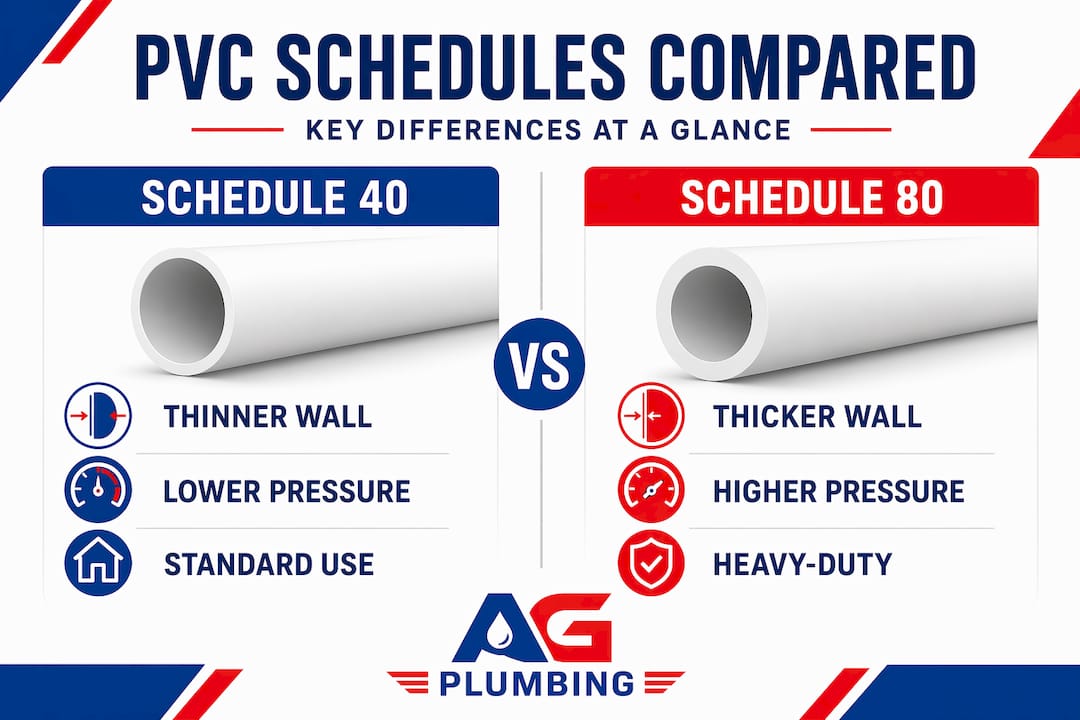
| Feature | Schedule 40 PVC | Schedule 80 PVC |
|---|---|---|
| Wall thickness | Thinner | Thicker |
| Pressure rating | Standard | Higher |
| Max temperature | 140°F | 140°F |
| Cost | Lower | Higher |
| Common use | DWV, cold water supply | High-pressure systems |
| Color | White or dark gray | Usually dark gray |
According to Wavin’s PVC specification data, “PVC comes in different pressure-rated schedules; Schedule 80 has thicker walls and higher pressure capability, but both have the same 140°F temperature maximum.” That 140°F ceiling is one of the most important facts any homeowner or DIYer needs to know. Ignore it and you’ll have warped, leaking, or failed pipe.
Pittsburgh homes often have both cold and hot water supply lines running parallel through walls and ceilings. Standard PVC can handle the cold side, but hot water lines are a different matter entirely. This is where CPVC comes in. CPVC is chemically modified to handle temperatures up to 200°F, making it the correct choice for hot water supply lines. Using standard PVC on a hot water line in a Pittsburgh home is a code violation and a failure waiting to happen.
Here’s a practical numbered guide for selecting the right material:
- Identify the system type. Is this a drain, a vent, or a pressurized supply line?
- Determine water temperature. Cold only? Standard PVC works. Hot water involved? Use CPVC.
- Check the pressure requirements. Most residential drains need no pressure rating. Supply lines need Schedule 40 minimum.
- Confirm code compliance. Check with your local Pittsburgh building department or a licensed plumber before purchasing materials.
- Buy the correct fittings. Schedule 40 and Schedule 80 fittings are not always interchangeable, and PVC fittings are not compatible with CPVC cement.
Pro Tip: Look at the markings printed on the side of any pipe before you buy it. Legitimate pipe will show the ASTM standard, the schedule number, the pressure rating, and the material type. If a pipe has no markings, walk away. For smart plumbing tips specific to Pittsburgh homes, understanding these markings can save you a lot of frustration later.
How PVC pipe is joined: Solvent cement and key installation tips
Getting the right pipe is half the job. Joining it correctly is the other half, and this is where many DIY projects go sideways.
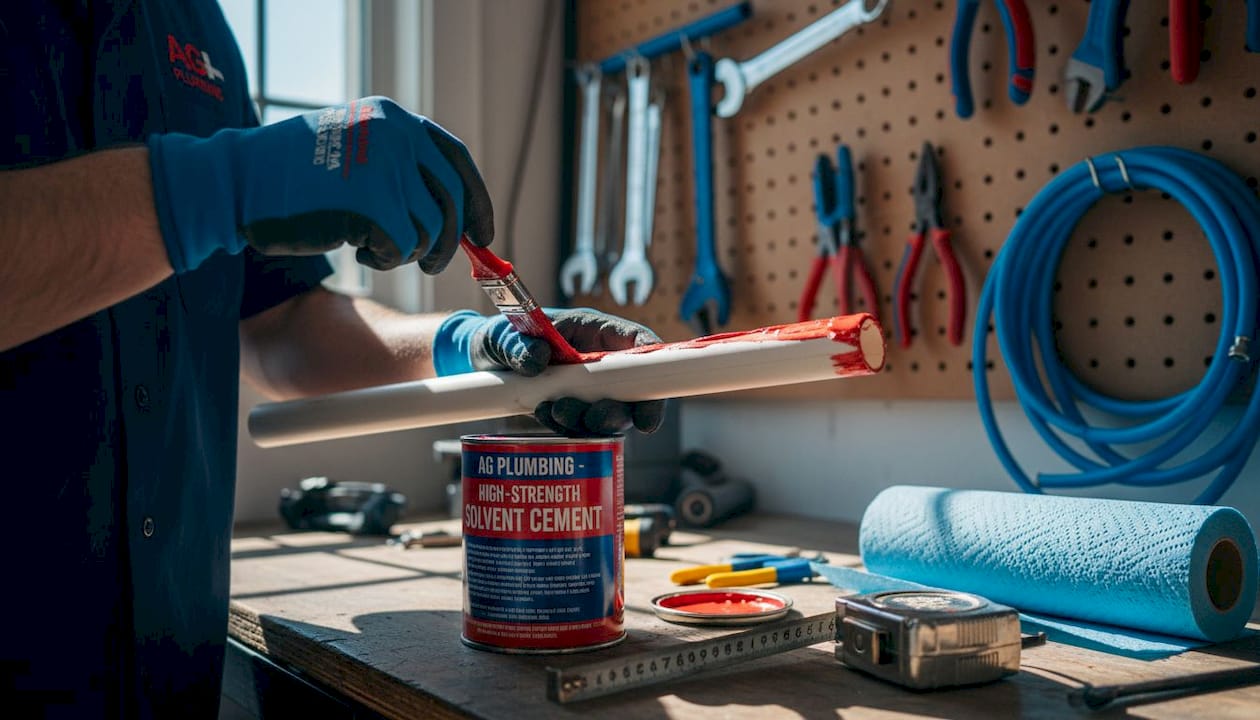
PVC joints are not glued together in the traditional sense. The process uses solvent cement, which chemically melts the outer surface of the pipe and the inner surface of the fitting. When they press together and the solvent evaporates, the two pieces fuse into a single solid piece. This is often called a solvent weld, and when done correctly, the joint is actually stronger than the pipe itself.
As the PPFA confirms, “PVC joints for plumbing applications are typically made with solvent cement, and correct primer/cement technique matters for joint performance.” That word “correct” is carrying a lot of weight in that sentence.
Here’s how to make a proper solvent-welded PVC joint:
- Cut the pipe squarely. Use a PVC pipe cutter or a fine-tooth saw. A crooked cut means a weak joint.
- Deburr the edges. Use a deburring tool or sandpaper to remove any rough edges inside and outside the cut end.
- Dry fit everything first. Assemble the run without cement to confirm alignment and length before committing.
- Apply primer. Use the correct PVC primer, which is typically purple so inspectors can verify it was used. Brush it on both the pipe end and the inside of the fitting.
- Apply solvent cement quickly. Work fast, the cement sets in seconds. Coat both surfaces and push the pipe firmly into the fitting with a slight twist.
- Hold for 30 seconds. Don’t let go immediately. The joint needs pressure while it sets.
- Allow cure time before pressure testing. Follow the cement manufacturer’s cure time, usually at least 15 minutes for low-pressure DWV, longer for pressurized lines.
“Skipping primer is the single most common cause of premature PVC joint failure in DIY plumbing projects. Primer isn’t optional—it’s what makes the cement actually work.”
Common failures to avoid include:
- Skipping primer entirely: This leaves the surfaces too smooth for the cement to bond properly.
- Using old or cold cement: Solvent cement has a shelf life. Cold temperatures also thicken it and reduce effectiveness. Keep it at room temperature.
- Rushing assembly: The cement begins setting immediately. If you take too long between applying cement and pushing the joint together, you’ll get a weak bond.
- Not checking alignment during the cure: A joint that cools at the wrong angle creates stress points that crack over time.
For more involved projects, like installing plumbing fixtures, the joint quality you achieve on the pipe run directly affects how well the fixture performs long-term. And if you’re also evaluating your fixtures while you’re at it, this resource on replacing water taps offers useful guidance on when to upgrade versus repair.
What most DIYers miss about PVC piping
After 30 years of working on plumbing systems across Pittsburgh, we’ve seen the same mistakes repeat themselves. The biggest one isn’t using the wrong schedule or forgetting primer. It’s the belief that PVC is so simple and forgiving that the details don’t matter.
They absolutely do.
PVC has a reputation as a foolproof material. It’s affordable, it doesn’t rust, and it cuts with basic tools. That accessibility makes homeowners underestimate it. But the pipe sitting in your walls carries waste and water constantly, under conditions that change with the seasons, the age of the home, and how the system is used. A shortcut that seems fine on installation day can fail catastrophically two years later.
We also see homeowners focus entirely on price per foot and ignore the system context. A slightly thicker-walled Schedule 80 pipe costs more, but in a pressure application, it’s not optional. Similarly, reaching for PVC when the run connects to a hot water line, because it was already in your cart, is the kind of decision that leads to a flooded basement.
The other thing most guides skip is the importance of plumbing repair prevention as a mindset. Every PVC connection you make today is a potential failure point in the future. That’s not a reason to avoid DIY work. It’s a reason to do it thoughtfully. Taking an extra ten minutes to prime correctly, dry fit carefully, and confirm your material choice against the code saves hours of repair work later.
When in doubt, call a licensed plumber before you start, not after something leaks. A quick consultation costs far less than tearing out finished walls to find a failed joint.
Need help with your home’s plumbing?
PVC piping knowledge is a great foundation, but some projects require professional expertise to get right the first time.
At AG Heating, Cooling & Plumbing, our team has served Pittsburgh homeowners for over 30 years. We handle everything from drain line repairs to full system inspections, and we’re familiar with the specific code requirements in the Pittsburgh area. Whether you’re dealing with a stubborn leak, planning a renovation, or just not sure which pipe belongs where, our licensed plumbers can help. Explore our plumbing repairs service to see what we offer, or learn more about why plumbing matters for your home’s long-term health. We’re ready when you are.
Frequently asked questions
What is the maximum temperature for standard PVC pipe?
Standard PVC pipe is rated for water temperatures up to 140°F maximum, and exceeding that limit causes the pipe to warp and fail.
Can I use PVC pipe for hot water lines?
No. CPVC handles up to 200°F, making it the correct material for hot water supply lines where standard PVC would soften and leak.
Is all white plastic plumbing pipe PVC?
No. Other plastic pipe types include CPVC, PEX, and ABS, each designed for different temperature ranges, pressures, and system applications.
What’s the difference between Schedule 40 and Schedule 80 PVC?
Schedule 80 has thicker walls and higher pressure ratings than Schedule 40, but both share the same 140°F temperature ceiling.
What’s the most important tip for installing PVC pipe at home?
Always use primer before solvent cement. Skipping primer is the leading cause of joint failures because the cement cannot bond properly without it.
Recommended
- Plastic Piping for Pittsburgh Homes: Efficient Plumbing – AG-Plumbing
- Choosing the best plumbing pipes for your Pittsburgh home – AG-Plumbing
- Pittsburgh plumbing vents: essential guide for homeowners – AG-Plumbing
- Step-by-step pipe replacement guide for Pittsburgh homeowners – AG-Plumbing
